When considering a Hair Transplant in Dammam, understanding the science behind hair growth is essential for achieving lasting results. Hair restoration is not just a cosmetic procedure; it relies on the biology of hair follicles, the health of the scalp, and proper surgical techniques. By exploring the mechanisms of hair growth and the factors influencing transplant success, patients can make informed decisions and optimize outcomes.
How Hair Grows:
Hair growth occurs in distinct cycles that determine thickness, length, and density:
-
Anagen Phase: The active growth phase, lasting 2–7 years depending on genetics.
-
Catagen Phase: A brief transitional phase where growth slows and follicles shrink.
-
Telogen Phase: The resting phase when hair eventually sheds to make room for new growth.
Understanding these cycles is crucial for predicting when transplanted hair will fully mature.
Factors Affecting Hair Growth:
Several internal and external factors influence the health and growth of hair:
-
Genetics: Determines hair density, thickness, and susceptibility to hair loss.
-
Hormones: Androgens, particularly DHT, can shrink follicles and slow growth.
-
Nutrition: Adequate protein, vitamins, and minerals support follicle repair and growth.
-
Lifestyle: Stress, smoking, and lack of sleep can impair hair health.
How Hair Transplants Work:
Hair transplant procedures involve relocating healthy follicles to areas affected by thinning or baldness:
-
Follicular Unit Extraction (FUE): Individual follicles are harvested and implanted.
-
Follicular Unit Transplantation (FUT): A strip of scalp is removed, and follicles are dissected for transplantation.
-
Transplanted follicles retain their genetic resistance to hair loss, making results permanent.
Importance of Donor Site Health:
The success of a transplant depends heavily on the quality of donor hair:
-
Dense, healthy follicles yield stronger and thicker growth.
-
Donor area should be free from scarring or diseases that may impair graft survival.
-
Proper harvesting techniques minimize damage and ensure natural-looking results.
Role of Scalp Health:
A healthy scalp provides the ideal environment for transplanted follicles to thrive:
-
Adequate blood flow ensures nutrients and oxygen reach the follicles.
-
Reducing inflammation and infection prevents damage to newly implanted hair.
-
Topical treatments and regular cleaning support a robust scalp environment.
Healing and Hair Growth Post-Transplant:
Understanding the timeline of recovery helps manage expectations:
-
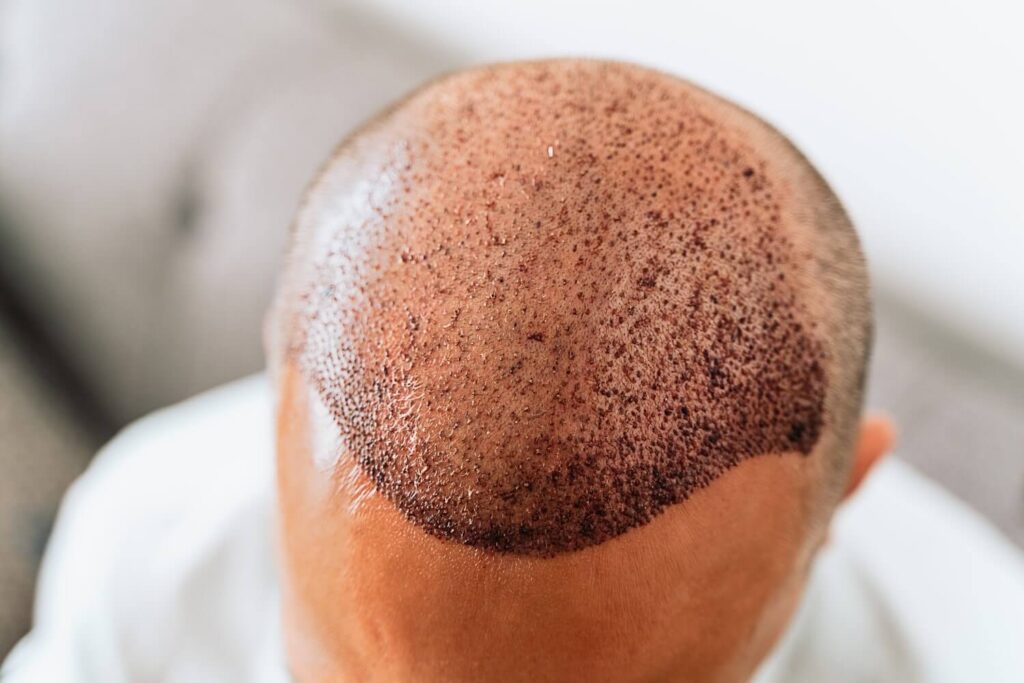
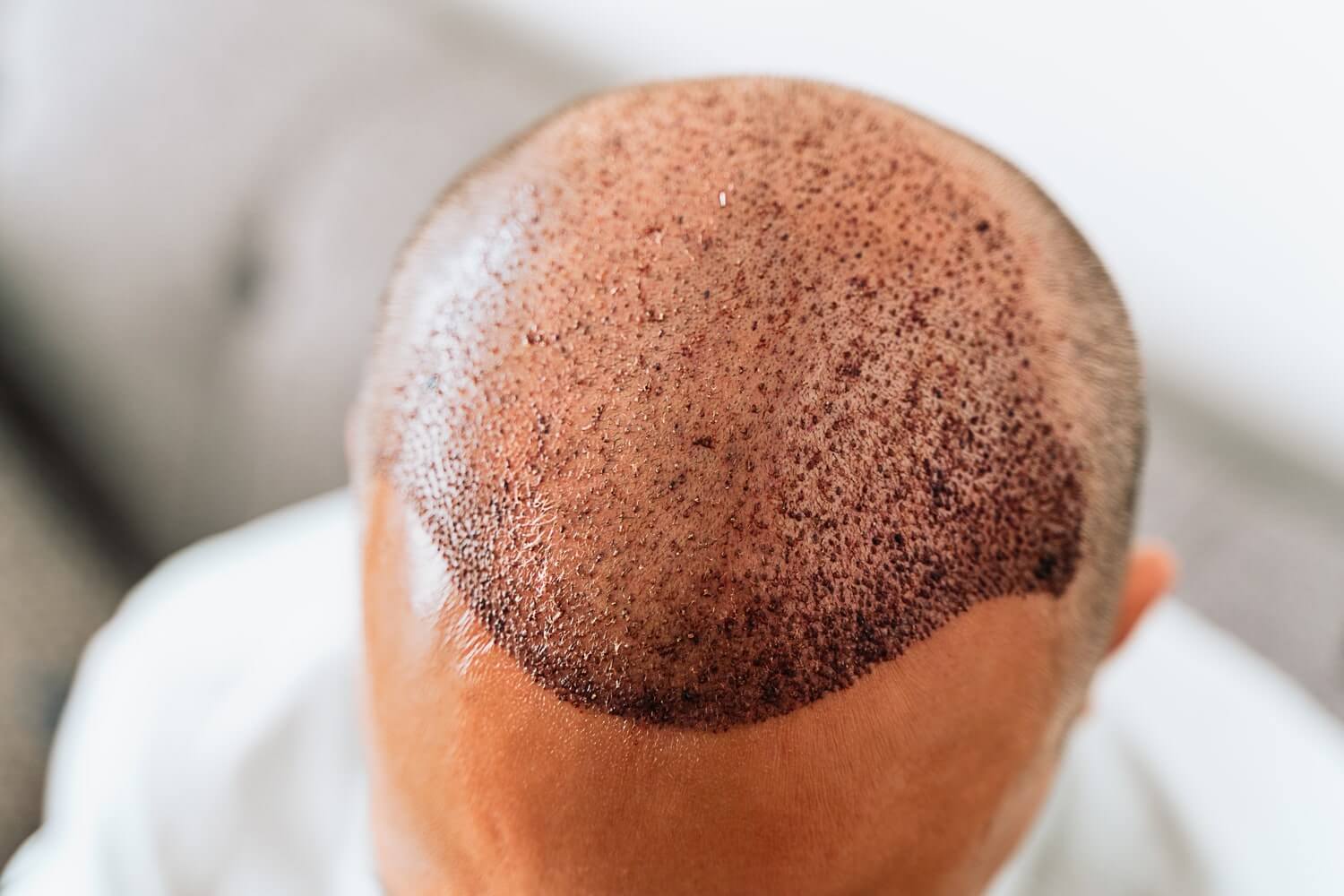
Initial shedding of transplanted hair is normal in the first few weeks.
-
New hair typically begins growing within 3–4 months.
-
Full results can take up to 12 months as follicles mature and density improves.
Supporting Long-Term Results:
Maintaining transplanted hair involves ongoing care and preventative strategies:
-
Use recommended shampoos and avoid harsh chemical treatments.
-
Consider complementary therapies like PRP (Platelet-Rich Plasma) to enhance growth.
-
Follow a balanced diet rich in vitamins, minerals, and proteins for follicle health.
Advances in Technology and Techniques:
Modern innovations improve both the success and natural appearance of hair transplants:
-
Robotic-assisted FUE provides precision in follicle extraction and placement.
-
Growth factor treatments accelerate healing and follicle activation.
-
Microscopic graft preparation ensures minimal trauma and higher survival rates.
Common Misconceptions About Transplant Success:
Understanding the science helps dispel myths that can hinder decision-making:
-
Transplants do not produce instant results; growth is gradual.
-
Not all hair loss conditions are suitable for transplantation without evaluation.
-
Proper aftercare and healthy lifestyle choices significantly affect long-term success.
Final Thoughts:
The science behind hair growth and transplant success emphasizes that a Hair Transplant in Dammam is both an art and a medical procedure. By understanding hair cycles, the importance of donor and scalp health, and the role of modern technology, patients can maximize the effectiveness of their treatment. Combining surgical expertise with proper post-operative care and lifestyle adjustments ensures natural, long-lasting results that enhance both appearance and confidence.