Your heart works tirelessly to keep your body functioning, but how often do you pause to check its health? For many, subtle signs like fatigue, shortness of breath, or chest discomfort are easy to overlook. Fortunately, a treadmill stress test is a powerful tool that helps assess your heart’s response to physical activity. If you’ve been searching for a “treadmill stress test near me”, this guide will walk you through everything you need to know — from the test process to its benefits and what to expect before, during, and after.
What Is a Treadmill Stress Test?
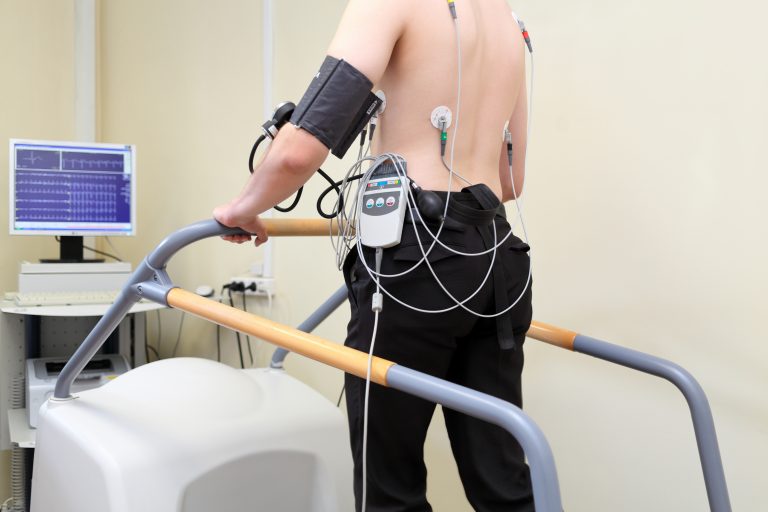
A treadmill stress test, also called an exercise stress test, is a non-invasive procedure used to evaluate how well your heart handles increased activity. During the test, you walk or run on a treadmill while your heart rhythm, blood pressure, and breathing are monitored.
Key purposes include:
- Detecting coronary artery disease
- Monitoring heart rhythm abnormalities
- Evaluating exercise tolerance
- Guiding treatment for heart conditions
This test is especially useful for individuals who have risk factors such as high blood pressure, high cholesterol, diabetes, or a family history of heart disease.
Why You Might Search for “Treadmill Stress Test Near Me”
Finding a reliable facility for a treadmill stress test is crucial for accurate results and safety. Many people search for “treadmill stress test near me” because proximity ensures convenience and quick access to professional medical care.
Situations that may prompt this search include:
- Experiencing unexplained chest pain or palpitations
- Having a history of heart disease
- Preparing for surgery or medical clearance for exercise
- Routine cardiovascular check-ups
By choosing a nearby clinic, you reduce travel stress and ensure you can receive immediate assistance if any complications arise during the test.
How to Prepare for a Treadmill Stress Test
Proper preparation helps ensure accurate results and a smooth testing experience. Here are some essential steps to follow:
- Clothing and footwear: Wear comfortable, loose-fitting clothes and supportive sneakers suitable for exercise.
- Dietary considerations: Avoid heavy meals, caffeine, or nicotine at least 2–3 hours before the test.
- Medication guidance: Inform your doctor about any medications you are taking; some may need temporary adjustment.
- Rest: Ensure you are well-rested, as fatigue can affect test performance.
Following these guidelines will help you get reliable readings and reduce the risk of complications.
What Happens During the Test?
A treadmill stress test typically follows a structured protocol:
- Initial assessment: Your heart rate, blood pressure, and baseline ECG are recorded.
- Exercise phase: You walk or jog on the treadmill while intensity gradually increases.
- Monitoring: Continuous ECG and blood pressure monitoring track your heart’s response to exertion.
- Recovery: After reaching a target heart rate or if symptoms appear, the treadmill slows down, and your vital signs continue to be monitored until they return to normal.
Example: Imagine a patient walking at a gentle pace, gradually increasing speed and incline. The cardiologist watches for irregular heart rhythms or any signs of reduced blood flow. This dynamic assessment can reveal issues that a resting ECG might miss.
Benefits of a Treadmill Stress Test
The treadmill stress test offers several advantages that make it an invaluable diagnostic tool:
- Early detection of heart conditions: Identifies coronary artery blockages before a heart attack occurs.
- Assessment of exercise tolerance: Helps doctors design safe exercise or rehabilitation programs.
- Monitoring effectiveness of treatments: Evaluates how well medications or interventions are working.
- Non-invasive and low risk: Generally safe for most adults under medical supervision.
By getting a treadmill stress test at a trusted center, you take a proactive step toward heart health and peace of mind.
Choosing the Right Facility
When searching for a “treadmill stress test near me”, consider the following factors to ensure quality care:
- Accredited and experienced staff: Cardiologists and technicians should be certified and experienced in stress testing.
- Advanced equipment: Modern treadmills and ECG machines improve test accuracy.
- Patient-centered approach: Clear communication, comfort, and safety measures are essential.
- Emergency preparedness: The facility should be equipped to handle rare complications.
For instance, EcoTown offers professional treadmill stress testing services with a focus on patient comfort and reliable results, making it a top choice for local residents.
Post-Test Expectations
After the treadmill stress test, most patients feel well and can resume normal activities. Some may experience mild fatigue or muscle soreness, which typically resolves within a few hours. Your cardiologist will review the results and recommend next steps based on the findings.
Possible outcomes include:
- Normal heart response: No further intervention needed, routine follow-up recommended.
- Abnormal results: Additional testing such as echocardiography or angiography may be advised.
- Medication or lifestyle adjustments: Based on exercise tolerance and heart performance.
Receiving a clear interpretation of your results helps you make informed decisions about heart health and lifestyle.
Tips for a Smooth Experience
To get the most out of your treadmill stress test:
- Arrive early to complete paperwork and relax before the test.
- Wear appropriate clothing and bring a water bottle.
- Communicate openly with the technician about any discomfort.
- Follow pre-test instructions carefully for accurate results.
Taking these steps ensures your test is efficient, safe, and informative.
Conclusion
A treadmill stress test is a simple yet powerful diagnostic tool that helps detect heart problems, evaluate exercise tolerance, and guide treatment plans. For those searching for a “treadmill stress test near me”, finding a reliable, nearby facility like EcoTown can provide convenience, safety, and expert care. By understanding the procedure, preparing properly, and knowing what to expect, you take a proactive step toward safeguarding your cardiovascular health.
Investing in a treadmill stress test not only provides peace of mind but also empowers you to make informed decisions about your heart health. Don’t wait for symptoms to escalate—early detection saves lives.
FAQs
- Is a treadmill stress test safe for older adults?
Yes, it is generally safe under medical supervision. Doctors evaluate your health status before the test and adjust intensity as needed. - How long does the test take?
The entire procedure, including preparation and recovery, usually takes 30–60 minutes. - Can I eat before the test?
Light meals are allowed, but heavy food, caffeine, or nicotine should be avoided at least 2–3 hours prior. - Will the test be painful?
Most patients experience only mild fatigue or shortness of breath. Pain is uncommon and should be reported immediately to staff. - How soon will I get the results?
Preliminary results are often available immediately, but a detailed analysis by a cardiologist may take a few days.