When homeowners plan to replace or upgrade their heating and cooling systems, the first question that often surfaces is how long the full process actually takes. The topic of hvac installation in Maryland is especially important because of the state’s changing seasons, where timely comfort matters. FRHVAC has seen many homeowners ask about this timeline, and understanding it clearly can help people prepare better, reduce stress, and make smarter decisions.
Every home has its own layout, needs, and comfort goals. Because of that, installation timelines vary. However, there are predictable steps and common factors that determine how long an HVAC installation usually takes. When these steps are well-managed by a reputable provider like FRHVAC, the entire process becomes smooth and fast.
This complete guide gives Maryland homeowners a clear picture of the installation timeline, preparation steps, possible delays, system types, and ways to speed things up. Everything is written in simple language so any homeowner can understand the process without feeling overwhelmed.
The Standard HVAC Installation Timeline
Most homeowners assume every installation takes the same amount of time, but Maryland homes vary widely in age, size, and layout. These differences can change how quickly technicians finish the job.
Still, professional companies such as FRHVAC follow a process that stays consistent. This helps homeowners know what to expect.
The Typical Installation Duration
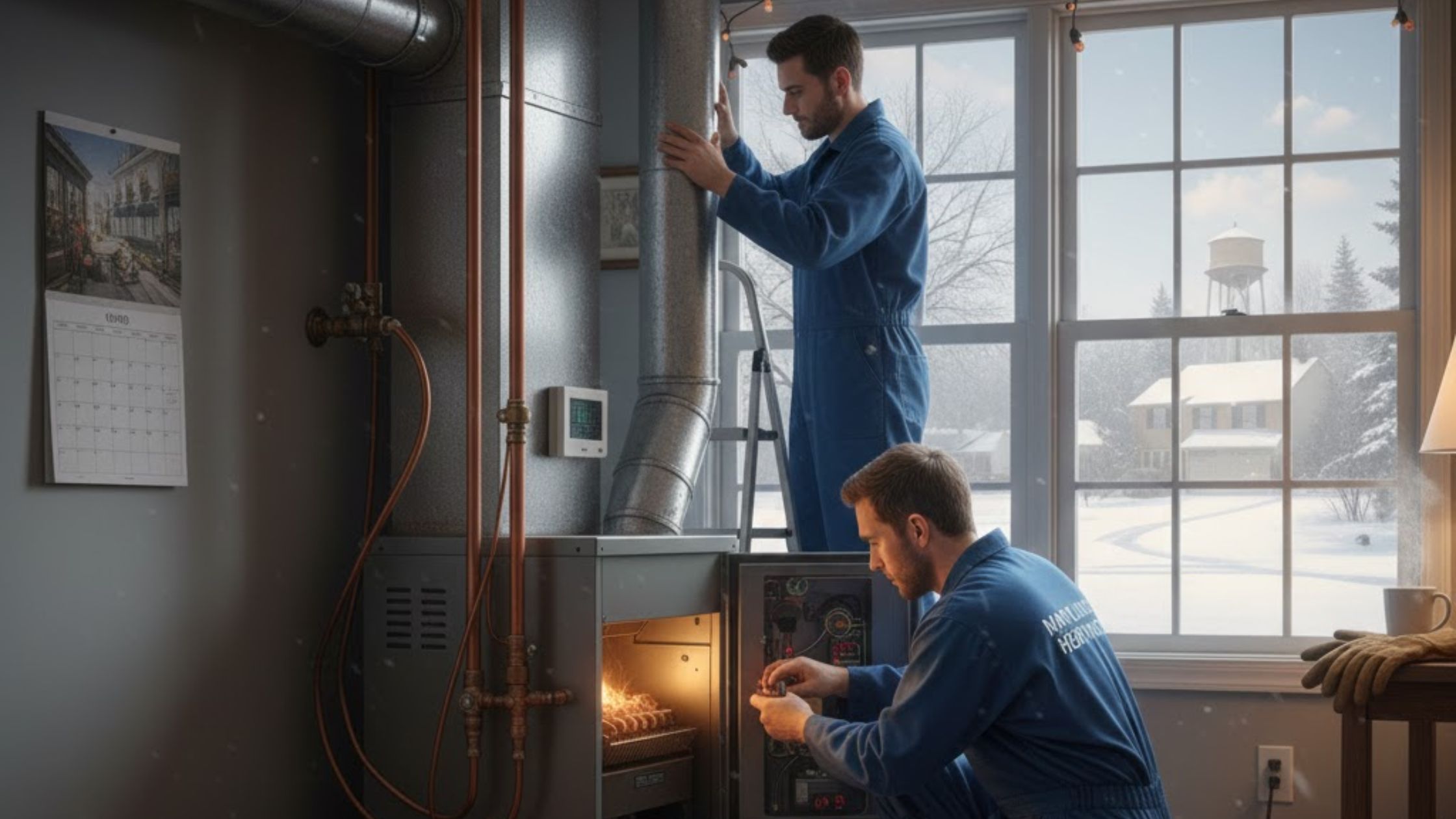
Most HVAC systems take between one day and three days to install. This includes removing old equipment, preparing the space, installing the new system, connecting components, and testing everything. Homes with complex needs may require a bit more time, but the overall process usually remains predictable.
Why Timelines Matter in Maryland
Seasonal Pressure
Maryland experiences warm summers, cold winters, and unpredictable seasonal swings. Homeowners often rush to install HVAC systems before peak seasons. During these high-demand periods, installation slots may fill up quickly. FRHVAC suggests scheduling early whenever possible to avoid weather-related delays or crowded calendars.
Local Weather Conditions
Heavy rains, humidity, snow, or severe temperatures can slow outdoor installation work, especially when technicians need to install or adjust outdoor units. Mild weather seasons are often the quickest for installations.
Key Factors That Affect HVAC Installation Time
Every HVAC system is different, and several elements influence how fast installation can be completed.
Type of HVAC System Being Installed
Different systems have different requirements, and those requirements change the installation speed.
Central Air Systems
These are common in Maryland homes. Installation normally takes a day or two. Ductwork quality has a big effect on speed.
Heat Pumps
Air-source heat pumps usually take one to two days. A geothermal heat pump may take longer because it requires underground loops.
Ductless Mini-Split Systems
These are often quicker. Installing a single-zone mini-split may take only a few hours, while multi-zone setups may require a full day.
Hybrid HVAC Systems
These combine electricity and fuel to optimize efficiency. They can take one to two days depending on home structure.
Condition of Existing Ductwork
One of the most time-consuming parts of HVAC installation is ductwork. If the home’s ducts leak, sag, or have mold or insulation issues, FRHVAC technicians may need extra time to repair or replace sections.
If ductwork is in good condition, the installation moves significantly faster.
Home Size and Layout
Larger or multi-story homes often require more complex installations. Tight spaces or older basements may slow technicians down because equipment may need to be custom-fitted.
Maryland neighborhoods have a mix of modern homes and older houses built decades ago. Older designs may require adjustments that add more time.
Electrical or Gas Line Updates
Some HVAC systems need updated wiring or new gas connections. When this happens, electricians or additional specialists may need to assist. This can extend the process if separate appointments are required.
FRHVAC coordinates these steps to reduce delays and keep the installation moving quickly.
Removal of Old HVAC System
Taking out old equipment sometimes seems simple, but older units can be rusted, tightly fitted, or connected to outdated ductwork. This step can take anywhere from one hour to half a day.
If the old unit contains refrigerant, it must be removed using certified procedures. This also slightly affects the timeline.
Permits and Local Regulations in Maryland
Maryland counties often require permits for HVAC installations. Permit approval can influence how quickly the installation begins.
FRHVAC manages permit paperwork for homeowners, preventing delays and ensuring compliance with local codes.
Pre-Installation Steps That Speed Up the Process
Homeowners can help the installation process go faster by preparing ahead.
Getting an In-Home Assessment
FRHVAC performs assessments before installation, checking home size, insulation, ducts, and system needs. This assessment ensures the right equipment is selected, reducing unexpected delays.
Clearing the Work Area
Ensuring technicians can easily access basements, attics, and outdoor units saves time. Moving furniture, boxes, or stored items away from workspaces allows the team to begin immediately.
Verifying Electrical Capacity
Homes with older electrical panels sometimes require upgrades. Knowing this beforehand avoids delays during installation.
Deciding on Thermostat Placement
Smart thermostats are popular in Maryland homes. Knowing where the thermostat should go allows faster installation.
Choosing the Right System Before Installation Day
FRHVAC helps homeowners choose the correct size and type of system before installation. When all decisions are made in advance, installation speeds up and surprises are avoided.
A Step-by-Step Breakdown of an HVAC Installation Day
To give homeowners a clear picture, here is how a typical installation day progresses. The schedule may vary slightly depending on the system and the home.
Arrival and Setup
Technicians arrive with equipment and supplies. They review the plan, protect floors, and prepare the workspace.
Removal of Old System
If an old system exists, it is disconnected, removed, and safely disposed of.
Ductwork Inspection and Adjustments
Technicians test ducts for leaks and airflow issues. Small repairs are done on the spot, while major issues may require extra time.
Placement of New Equipment
Indoor components are installed first. This step requires precision because placement affects system performance.
Installing the Outdoor Unit
The outdoor unit is secured, leveled, and connected. Placement is crucial for efficiency and quiet operation.
Connecting Refrigerant Lines and Electrical Wiring
Lines, wiring, and condensate drains are installed and sealed. This is a delicate step that requires attention to detail.
System Testing
Once everything is connected, technicians test airflow, temperature output, refrigerant levels, and thermostat communication.
Final Walkthrough
FRHVAC technicians explain system features, maintenance tips, and thermostat controls. The homeowner checks all rooms for proper airflow.
Common Causes of Delays During HVAC Installation
Even with a well-planned installation, delays sometimes happen.
Weather-Related Delays
Rain, snow, or extreme temperatures can make outdoor work difficult. Maryland’s weather can shift quickly during certain months.
Equipment Availability
Sometimes certain systems or parts are out of stock during high-demand seasons. Ordering time may affect installation speed.
Electrical Code Issues
If local codes require panel upgrades, inspections, or additional safety measures, installation may slow down.
Unexpected Duct Problems
Hidden duct leaks or insulation problems sometimes appear only after technicians open the system.
Ways Homeowners in Maryland Can Speed Up Installation
FRHVAC often shares advice with customers who want a quicker installation. These steps help avoid delays.
Schedule Before Peak Seasons
Spring and early fall are the best times to install HVAC systems. During peak seasons, appointment availability may be limited.
Complete All Decisions Before Installation Day
Choose your system model, thermostat type, and accessories before the installation begins.
Prepare the Installation Area
Clear entryways, remove clutter, and provide easy access to the unit.
Ask FRHVAC About Fast-Track Options
Sometimes homeowners need urgent installation. FRHVAC can offer faster scheduling in certain cases.
When an HVAC Installation Takes Longer Than Expected
Even when delays occur, FRHVAC communicates with the homeowner and explains each step. Most delays are manageable and are handled quickly.
Signs of a Smooth and Professional Installation
A quick installation does not mean rushed work. Homeowners should expect:
• Clean and organized workspaces
• Clear communication
• On-time arrival
• Correct equipment setup
• Thorough testing
• A complete walk-through
FRHVAC follows these standards to ensure fast yet careful installations.
How Maryland Homeowners Can Choose the Right Installer
Choosing a professional installer affects both speed and quality. Maryland homeowners should look for companies that offer:
• Licensed technicians
• Clear timelines
• Good reviews
• Proper equipment sizing
• Permit assistance
• Written guarantees
• Transparent pricing
FRHVAC is known for offering these essential qualities.
Conclusion
HVAC installation in Maryland can be completed quickly when the process is handled by experienced professionals. Most installations take between one and three days, depending on the home layout, system type, weather, and any needed updates. FRHVAC provides clear communication, organized steps, and professional service to ensure homeowners experience a smooth installation from start to finish. With the right preparation and a trusted team, Maryland homeowners can enjoy reliable comfort without unnecessary delays.
Here, you can find more articles.