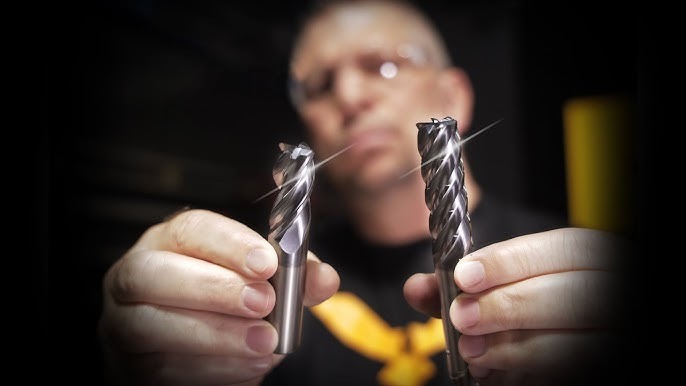
Precision components are subjected to stress that builds slowly and quietly over long periods of operation. Many surfaces appear stable during early testing, yet small wear points form as soon as the part enters real service. These weak spots reduce performance, shorten part life, and interrupt production schedules. Many engineers focus on design and material selection, but surface behavior often determines how long a component can remain in service. This is where high-performance coatings provide a measurable advantage, especially when hidden failure points start to appear.
Micro-Abrasion And Surface Instability
Many precision parts suffer tiny cuts and scratches from hard particles in the system. This is evident in cutting tools, medical instruments, aerospace parts, and any assembly that runs in harsh environments. The process starts when abrasive debris slides across a metal surface. It removes material in tiny amounts. These marks grow, catch more debris, and lead to deeper scoring.
Micro-abrasion also throws off tolerances. A cutting insert loses its sharpness long before the tool looks worn. A sliding pin develops minor grooves that alter its movement under force. These issues do not always come from design flaws. They come from surface behavior during repeated use.
A thin, dense layer from high-performance coatings acts like a hard shell. It absorbs the abrasive contact and slows material loss. Many coatings also reduce friction, which lowers the likelihood of debris gripping the surface. The part keeps its shape and accuracy for far longer.
Thermal Cycling And Heat Stress
Temperature swings introduce additional problems. Components that experience heat during machining, engine operation, or pressure changes often lose surface strength. Thermal cycling causes expansion and contraction. These movements create stress between the surface and the base material. Even high-grade alloys struggle with repeated thermal shock.
Heat also speeds up oxidation. Once oxidation begins, the surface weakens. Wear speeds up, and the part loses stability. This explains why some tools or components fail without any evident mechanical damage. The surface simply breaks down at a microscopic level.
Modern coating technologies protect against these effects by forming a barrier that slows heat transfer. The coating shields the base metal from direct thermal exposure. The part stays cooler and holds its strength longer. This is useful for high-speed machining tools, turbine components, and parts exposed to combustion.
Galling And Metal-To-Metal Contact
Galling is common in stainless steel, titanium, and other materials that tend to stick under pressure. When two surfaces slide against each other while carrying a load, they can weld together at small points. As the parts continue to move, these welded points tear apart. This can create rough surfaces, heat spikes, and significant damage.
Galling usually starts in small areas that go unnoticed. A shaft, bolt, or guide rail may look fine until galling suddenly appears. Once it starts, the surface wears very fast.
High-performance coatings prevent direct metal-to-metal contact. This reduces the chance of welding and tearing. Components move freely and last longer under heavy load.
High-Load Stress And Contact Fatigue
High-load stress affects gears, bearings, cams, and any part that transfers force through contact points. Even a well-designed part faces stress concentration at these points. Over time, this creates tiny cracks below the surface. The cracks rise to the top and form pits, spalls, or chipped edges. Contact fatigue often surprises engineers because the part may look clean until the damage breaks through.
Coated surfaces spread the load more evenly. The hard layer reduces deformation at the contact point. This slows crack formation and keeps the surface stable through long cycles. A layer produced through high-quality coating technologies supports consistent performance under heavy force.
Conclusion
Hidden failure points appear in nearly every precision component. Micro-abrasion, thermal cycling, galling, and high-load stress often begin at a scale too small to notice. Once they grow, costly downtime and part replacement follow. Strengthening the material or changing the design helps, but surface behavior often decides the outcome.
A thin protective layer created by high-performance coatings provides engineers with a reliable way to control friction, heat, and surface wear. The result is longer part life, steadier performance, and fewer unexpected disruptions in demanding environments.