Introduction
The Alcoholic Tea Market is expanding due to rising demand for innovative drinks, premiumization trends, and the global surge in ready-to-drink (RTD) beverages. This article explores the market dynamics, growth factors, leading trends, challenges, and future outlook of the alcoholic tea market.
What Is Alcoholic Tea?
Alcoholic tea is a beverage made by blending brewed tea with alcohol such as vodka, rum, gin, or fermented tea bases. It can be carbonated or non-carbonated and is available in several formats including:
-
Hard iced tea
-
Sparkling alcoholic tea
-
Kombucha-based alcoholic tea
-
Canned ready-to-drink alcoholic tea cocktails
-
Premium craft alcoholic tea beverages
Popular flavors include lemon, peach, berry blends, hibiscus, jasmine, and green tea.
Market Growth Drivers
1. Rising Demand for RTD Beverages
The ready-to-drink category is experiencing explosive global growth. Younger consumers prefer convenient, portable, and flavorful options that require no preparation. Alcoholic tea fits perfectly into this trend due to its:
-
Lightweight profile
-
Refreshing taste
-
Attractive packaging
-
Lower alcohol content
This RTD surge is accelerating the alcoholic tea market’s expansion.
2. Shift Toward Healthier Alcoholic Options
Consumers are becoming more mindful of their drinking habits. Alcoholic tea stands out because:
-
It contains tea antioxidants.
-
It typically has fewer calories than sugary cocktails.
-
It appeals to consumers seeking natural, botanical-based beverages.
This wellness-driven shift is positively influencing the market.
3. Premiumization and Flavor Innovation
Premium beverages with natural ingredients, exotic flavors, and craft-style production methods are becoming highly appealing. Alcoholic tea brands are investing in:
-
Organic tea leaves
-
Botanicals and herbal infusions
-
Low-sugar or zero-sugar formulations
-
Innovative flavors (hibiscus ginger, mint lime, tropical blends)
This product diversity supports strong market growth.
4. Expanding Popularity of Hard Seltzers and Hard Kombucha
The popularity of hard seltzers has created a pathway for alcoholic tea. Consumers now favor beverages that are:
-
Light
-
Refreshing
-
Low-carb
-
Low-ABV
Alcoholic tea is positioned as a natural next step in this evolving consumer preference.
Market Segmentation
By Type
-
Hard Iced Tea
-
Alcoholic Kombucha
-
Sparkling Alcoholic Tea
-
Tea-based Cocktails
By Flavor
-
Lemon
-
Peach
-
Raspberry
-
Mixed berries
-
Green tea and jasmine
-
Herbal blends
By Distribution Channel
-
Supermarkets & hypermarkets
-
Liquor stores
-
Bars, pubs & cafés
-
Online channels
-
Convenience stores
Online sales are expanding rapidly due to the increasing popularity of doorstep alcohol delivery.
Key Market Trends
1. Rising Popularity Among Millennials and Gen Z
Younger consumers are leading the shift toward unconventional alcoholic beverages. They prefer drinks that:
-
Offer unique experiences
-
Are Instagram-friendly
-
Align with wellness and lifestyle trends
Alcoholic tea fits perfectly within this consumer mindset.
2. Growth of Craft and Small-Batch Producers
Craft breweries and artisanal beverage manufacturers are experimenting with hybrid beverages. This has brought new flavors, innovative blends, and higher quality products into the alcoholic tea market.
3. Increasing Focus on Sustainability
Brands are using:
-
Eco-friendly packaging
-
Organic ingredients
-
Sustainably sourced tea leaves
This strengthens brand appeal and fosters brand loyalty among environmentally aware consumers.
4. Wider Global Availability
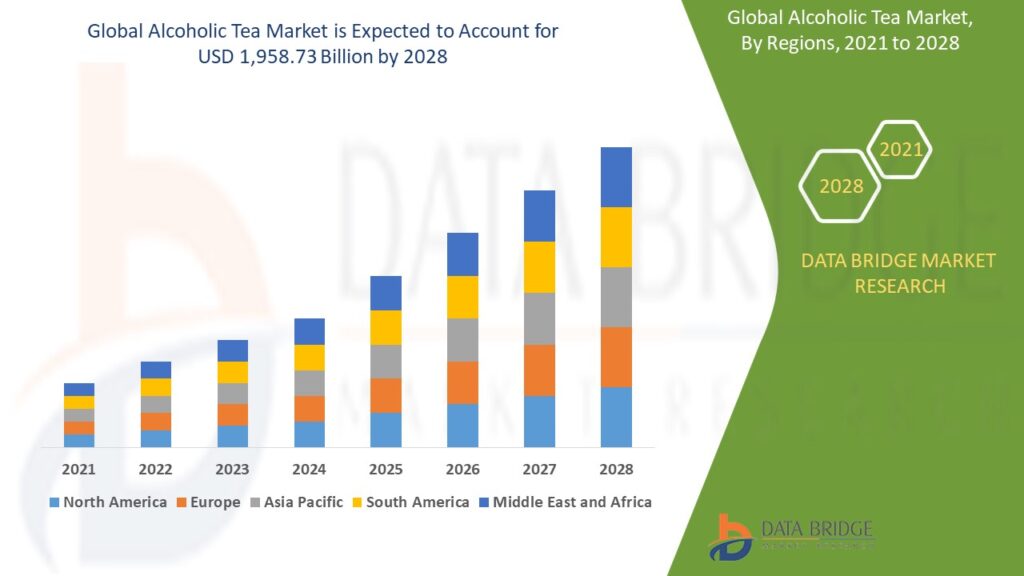
What started as a trend in North America and Europe is now expanding across Asia-Pacific, Latin America, and the Middle East. Rising disposable income and changing social drinking habits contribute to higher product adoption.
Challenges in the Market
Despite the promising growth, the alcoholic tea market faces certain challenges:
-
Regulatory constraints related to alcohol labeling
-
Intense competition from hard seltzers, hard kombucha, and flavored beers
-
Need for strong brand awareness as the category is still emerging
-
Variability in consumer preferences across regions
Brands must invest in targeted marketing, product innovation, and competitive pricing.
Future Outlook
The future of the alcoholic tea market looks highly promising. Over the next decade, the market is expected to grow steadily due to:
-
Rising consumer experimentation
-
Expansion of premium RTD beverages
-
Strong demand for low-ABV options
-
Growing availability through online retail
With increasing innovation, better distribution networks, and rising acceptance of hybrid beverages, alcoholic tea is set to become a mainstream alcohol category.
Get More Details:
https://www.databridgemarketresearch.com/reports/global-alcoholic-tea-market
Conclusion
The alcoholic tea market is evolving into one of the most exciting segments within the global beverage industry. As consumers shift toward refreshing, healthier, and more inventive alcoholic options, alcoholic tea is positioned to experience robust growth. Its blend of tradition and modernity, combined with health-conscious appeal and bold flavors, will continue to attract a wide range of consumers in the coming years.
Tags:
#AlcoholicTea #AlcoholicTeaMarket #HardTea #HardIcedTea #TeaBeverages #RTDBeverages #AlcoholicDrinks #BeverageIndustry #MarketResearch #TeaIndustry #KombuchaTea #AlcoholicKombucha #CraftBeverages #BeverageTrends #TeaBasedDrinks #LowABVDrinks #ReadyToDrink #PremiumBeverages #FoodAndBeverageMarket #ConsumerTrends