When considering safe and effective laser hair removal (إزالة الشعر بالليزر), it’s essential to focus on several key factors that ensure you get the best results while minimizing risks. Here’s how you can choose a trusted method and provider for laser hair removal, along with tips to make the experience as smooth as possible.
1. Choosing the Right Clinic or Practitioner
-
Certification & Experience: Look for licensed professionals, such as dermatologists, plastic surgeons, or certified laser technicians. It’s crucial that they have specific training in laser treatments.
-
Reputation: Research reviews and testimonials. A clinic with a strong reputation for safe and effective treatments will have satisfied clients who can vouch for their experience.
-
Consultation: A good clinic will offer a consultation where the practitioner can assess your skin and hair type, discuss your medical history, and explain what to expect. They should also do a patch test to ensure you don’t have any adverse reactions to the laser.
2. Laser Technology
The type of laser used is crucial for safety and effectiveness. Different lasers target hair follicles in different ways, so it’s important that the clinic uses the right one for your skin type and hair color.
-
Alexandrite Lasers: Best for light to olive skin and light to medium hair. These lasers are fast and efficient.
-
Diode Lasers: Effective for both light and darker skin tones and can treat larger areas.
-
Nd:YAG Lasers: The safest option for darker skin tones, as it penetrates deeper into the skin without damaging the surface.
-
Ruby Lasers: Ideal for light skin and dark hair but not commonly used today due to the newer, more efficient technologies.
3. Understanding the Treatment Process
Pre-treatment guidelines:
-
Avoid sun exposure for at least two weeks before your session. Sunburned skin is more sensitive to the laser, which can increase the risk of side effects.
-
Shave the area to be treated a day or two before the appointment. Waxing or plucking should be avoided as the laser targets hair follicles, and removing hair from the root can interfere with the treatment’s effectiveness.
-
Avoid using harsh skin products (e.g., exfoliants, retinoids) in the area before treatment.
During the treatment:
-
You’ll be given protective eyewear to shield your eyes from the intense light of the laser.
-
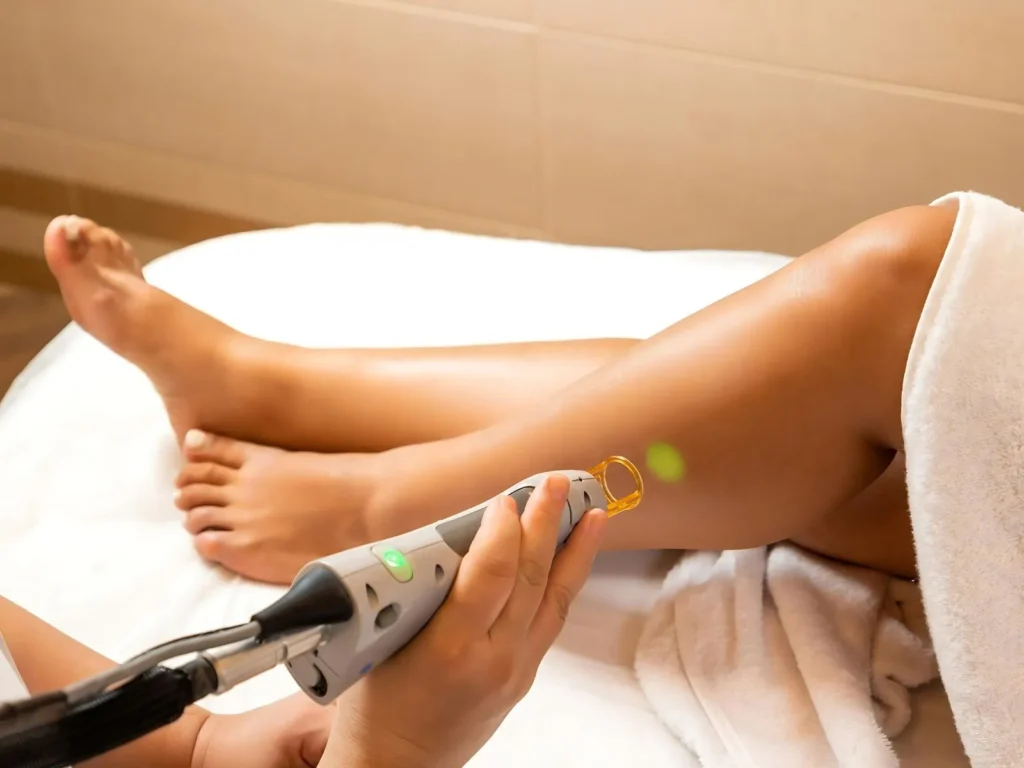
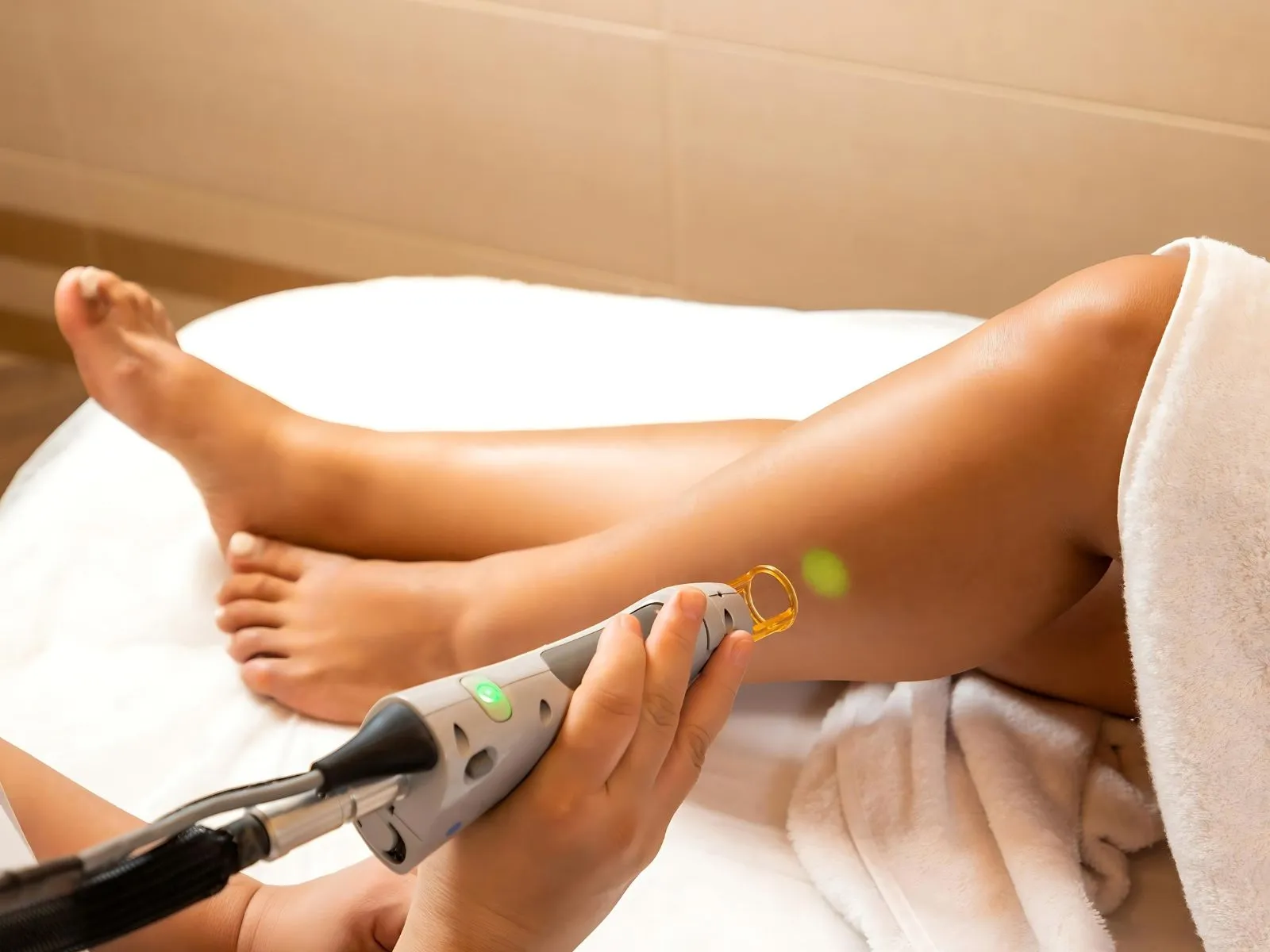
The technician will pass the laser over the treatment area. The sensation might feel like a mild sting or snap, similar to a rubber band being snapped on your skin.
-
Treatment times vary based on the area being treated. Small areas (like the upper lip) may take only a few minutes, while larger areas (like the back or legs) can take longer.
Post-treatment care:
-
After treatment, you might experience redness, mild swelling, or a sensation similar to sunburn. These side effects usually fade within a few hours.
-
Avoid direct sun exposure for at least a couple of weeks, and always wear sunscreen when going outside.
-
You may be given aftercare instructions, such as applying cooling gels or soothing creams to the treated area.
-
Don’t exfoliate or use any harsh chemicals on the skin for at least a week after treatment.
4. Effectiveness of Laser Hair Removal
-
Multiple Sessions: Hair grows in cycles, and lasers are only effective during the anagen (growth) phase. Since not all hair is in this phase at once, multiple sessions (usually 6-8) spaced 4-6 weeks apart are necessary for optimal results.
-
Long-Term Results: While laser hair removal is often marketed as permanent, most people experience long-term reduction in hair growth. Some may need maintenance sessions every 1-2 years to address any regrowth.
-
Regrowth: Any regrowth that occurs tends to be finer and lighter in color, making it less noticeable than before.
5. Safety Considerations
-
Skin Tone & Hair Color: As mentioned, laser hair removal works best when there’s a significant contrast between skin and hair color. If you have darker skin or lighter hair, ensure that the clinic uses advanced laser technology that’s compatible with your skin type.
-
Avoiding Side Effects: Side effects like hyperpigmentation (dark spots) or hypopigmentation (light spots) can occur, especially if the wrong laser is used for your skin tone or if the practitioner isn’t experienced. Always choose a provider with a track record of success.
-
Sensitive Areas: Some areas, such as the bikini line or face, can be more sensitive. Ask about specific considerations and pain management options (like numbing creams or cooling devices) for these regions.
6. Common Myths About Laser Hair Removal
-
It’s not painful: While many people tolerate it well, there’s a mild level of discomfort, which varies depending on your pain threshold and the area being treated.
-
It’s a one-time fix: As mentioned, laser hair removal requires multiple sessions to ensure lasting results. While hair may appear to “grow back” after a session, this is typically hair that was in a different growth phase and hasn’t been targeted yet.
-
It’s only for women: Laser hair removal is just as effective for men. Areas like the chest, back, and beard line are commonly treated in men as well.
7. Price and Budgeting
-
Cost per session: The price of laser hair removal can vary widely depending on the area being treated, the technology used, and the location of the clinic. Smaller areas like the upper lip may cost around $100–$250 per session, while larger areas like the back or legs may range from $300–$600 per session.
-
Package Deals: Many clinics offer discounted rates for purchasing multiple sessions upfront.
-
Insurance: Laser hair removal is typically not covered by insurance, as it’s considered a cosmetic procedure.
8. What to Expect Over Time
-
Progressive results: After each treatment, you’ll see a reduction in the number of hairs that grow back. Some areas may show results faster than others.
-
Final outcome: After completing all your treatments, you should see a significant reduction in hair density and regrowth, which will result in smoother, hair-free skin.