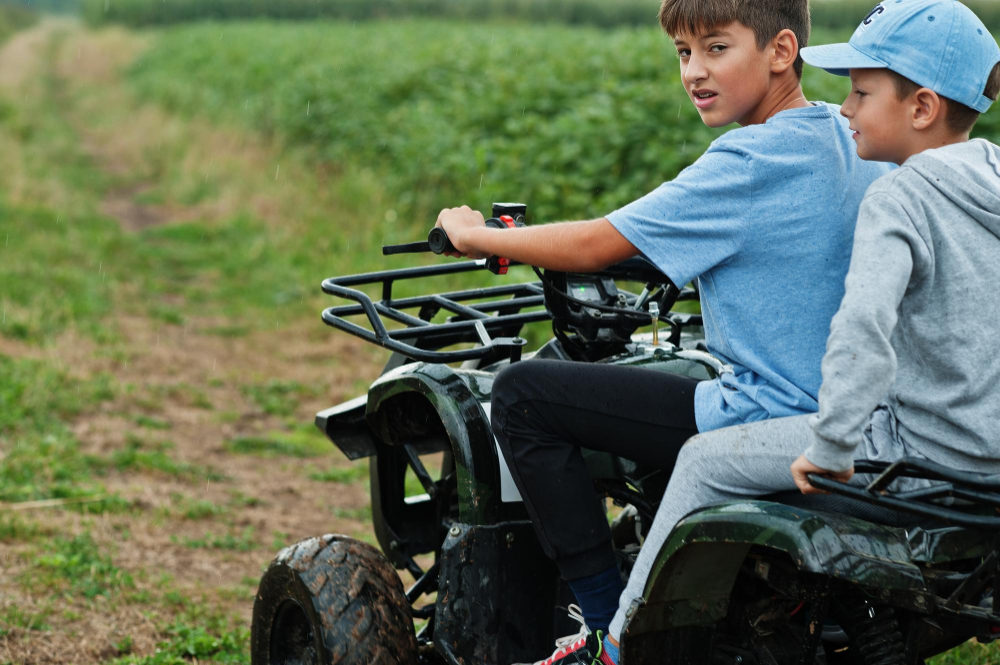
Riding off-road creates excitement, confidence, and independence. Introducing kids to riding should feel fun, not stressful. A mini dirt bike can give young riders a controlled way to learn balance, throttle control, and trail awareness. With proper setup and guidance, riding becomes a safe family activity rather than a risky experiment.
This guide walks parents through each step before the first ride. The focus stays on preparation, safety, and building skills the right way.
Step 1: Choose The Right Size And Power
The first mistake many parents make is choosing a bike that looks impressive rather than one that fits the rider. A mini dirt bike should match a child’s height, weight, and experience level. Feet should touch the ground while seated. Hands should reach the controls without stretching.
Engine size matters. Smaller engines respond more gently to throttle input. This allows new riders to focus on steering and balance instead of speed. Bigger engines increase the risk because sudden power surges can catch inexperienced riders off guard.
Avoid buying “something to grow into.” A bike that feels too big may build fear instead of confidence.
Step 2: Set Up Safety Gear Before The First Ride
Protective gear matters as much as the bike itself. Riders should wear:
- A full-face helmet rated for off-road use
- Goggles that seal out dust
- Gloves with grip and padding
- Long sleeves and riding pants
- Over-the-ankle boots designed for dirt riding
Street shoes and bicycle helmets do not protect against falls at trail speeds. Proper gear helps riders stay focused instead of worrying about scrapes or impacts.
Parents should check fit regularly. Kids grow fast, and loose gear reduces protection.
Step 3: Pick The Right Place To Learn
Learning location affects safety more than speed. Start on flat, open ground with no traffic, obstacles, or steep drops. Open fields, private property, or empty dirt lots work well.
Avoid public trails during early practice sessions. Trails introduce blind corners, uneven terrain, and other riders. These factors overwhelm beginners.
Early rides should focus on slow turns, stopping, and balance. Speed comes later.
Step 4: Teach Controls One At A Time
New riders absorb skills faster when lessons stay simple. Begin with:
- Throttle control at walking speed
- Smooth braking without locking wheels
- Standing up slightly over bumps
- Turning with body position, not just handlebars
Avoid shouting instructions while the bike moves. Stop the bike, explain the next step, then let the rider try again.
Short sessions work better than long ones. Fatigue causes mistakes.
Step 5: Set Clear Riding Rules
Rules prevent panic and confusion. Riders should understand:
- Where riding is allowed
- When to stop riding
- What to do if the bike tips over
- How to signal for help
Speed limits help maintain control. Many bikes include throttle limiters or adjustable screws. Use them early.
Parents should ride nearby or watch closely. Distance reduces reaction time if something goes wrong.
Step 6: Build Skills Before Increasing Speed
Confidence grows through repetition, not speed. Riders should master basic skills before riding faster or on more challenging terrain.
Signs a rider feels ready include:
- Smooth throttle use
- Controlled stops
- Comfortable turning
- Awareness of surroundings
Rushing this step may lead to crashes and discouragement. Kids learn faster when riding feels fun instead of forced.
This approach also builds respect for dirt bikes and the responsibility that comes with riding them.
Step 7: Talk About Trail Etiquette And Responsibility
As skills improve, riders should learn basic trail behavior. This includes yielding space, slowing near others, and respecting property boundaries.
Riding teaches discipline. Kids who understand rules on the bike often carry that mindset into other activities. These lessons matter even before riding public areas.
Step 8: Maintain The Bike Together
Basic maintenance builds confidence and safety awareness. Parents can involve kids in:
- Checking tire pressure
- Cleaning air filters
- Inspecting bolts
- Washing the bike
This routine teaches riders to respect their equipment. It also reduces mechanical issues that cause accidents.
Over time, kids learn how dirt bikes work rather than treating them as toys.
Final Thoughts
Introducing kids to riding works best when safety comes first, and progress stays steady. A well-sized mini dirt bike, proper gear, and clear guidance create positive early experiences. Riders who learn correctly stay confident, focused, and excited to improve.
Dirt bikes bring adventure, but preparation makes that adventure safe. When parents take time to plan each step, riding becomes something kids look forward to for years.