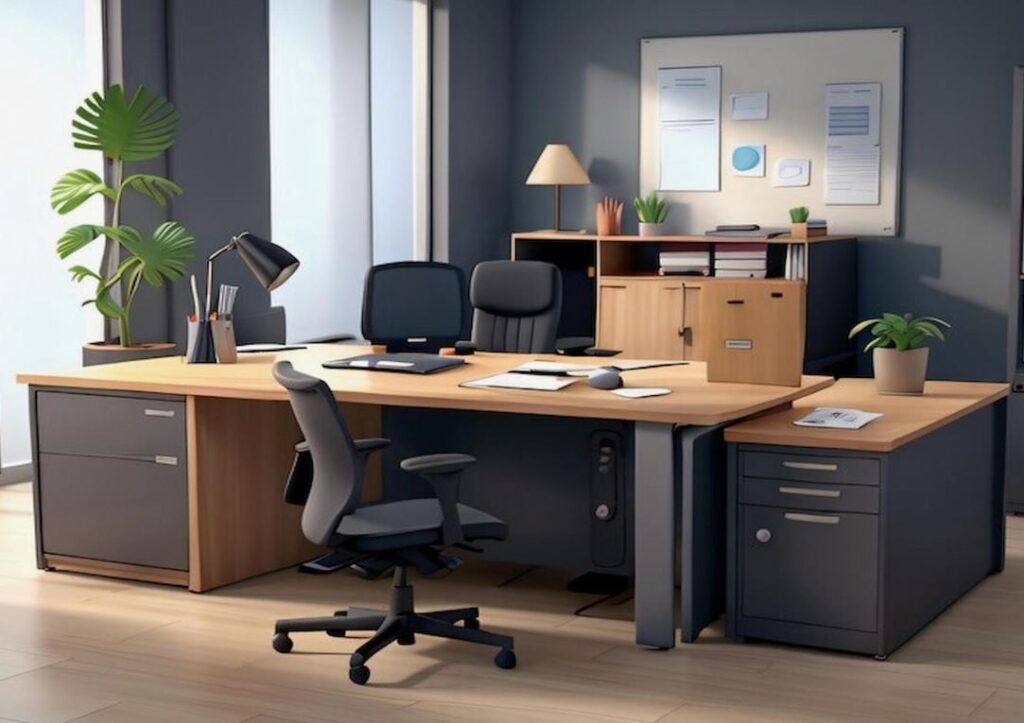
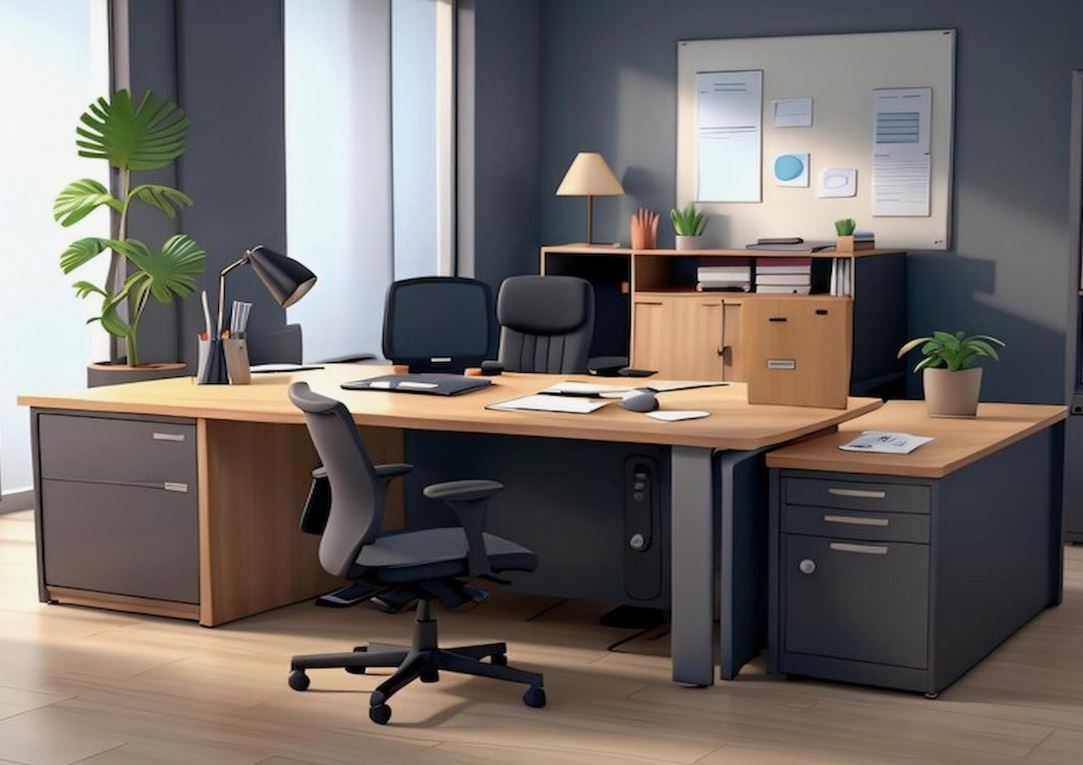
Creating an efficient and inspiring workspace begins with choosing the right office table, free standing table that matches your needs, style preferences, and daily workflow. Whether you work in a corporate office, a home workspace, or a hybrid environment, investing in a well-designed table can significantly improve productivity, comfort, and overall focus. A thoughtfully selected table does more than hold your laptop and files—it influences posture, organization, and even the aesthetics of your professional setting. As work environments evolve, the design and functionality of office tables have also transformed, emphasizing ergonomics, minimalism, and flexibility.
The Importance of Choosing the Right Office Table
Selecting an office table is a decision that impacts your daily routine, comfort, and efficiency. A table that is too small may limit your workspace, crowding your tools and restricting your ability to work comfortably. On the other hand, an oversized table can overpower your room and reduce floor space that could otherwise be used for storage or movement. This makes finding the ideal balance between size, design, and functionality essential. Today’s office environments require tables that support technology, provide sufficient surface area, and blend seamlessly with interior designs. A well-chosen office table can also reduce physical strain by supporting correct posture, enabling better focus and minimizing work-related discomfort.
Free Standing Tables for Flexible Workspaces
One of the most popular choices in modern offices is the free standing table. These tables offer extreme flexibility because they are not attached to walls or other furniture, making them easy to move, reposition, or reconfigure as needed. This is especially beneficial for dynamic workplaces that often change layouts or for professionals who enjoy periodically redesigning their workspace. Free standing tables also support a variety of work styles—from collaborative meetings to quiet, independent tasks. Their open design allows users to move comfortably around them while giving the workspace a more spacious and breathable look.
Office Tables and Ergonomic Considerations
Ergonomics has become a major factor in workstation design, and the office table plays a central role in creating a healthy workspace. A table with the correct height helps maintain good posture, preventing neck strain, back pain, and wrist discomfort. Many modern office tables offer adjustable height options, allowing users to switch between sitting and standing. Pairing a well-designed office table with an ergonomic chair ensures optimal support throughout long work hours. Additionally, free standing tables with clean, open leg space make it easier to adjust seating positions and move freely without restrictions.
Design Styles to Match Every Workspace
Office table design has evolved with various styles that complement different types of workplaces. Minimalist tables with sleek lines and simple finishes are ideal for modern offices, promoting a calm and uncluttered environment. Wooden office tables add warmth and natural texture, perfectly suitable for executive rooms or traditional office layouts. For creative spaces or startups, industrial-style tables featuring metal frames and textured tops create a bold and energetic atmosphere. Free standing tables come in many shapes—rectangular, oval, L-shaped, and even curved—allowing businesses to choose pieces that fit their brand identity and spatial layout.
Storage and Organization Options in Office Tables
One of the challenges professionals face is maintaining a clean and organized workspace. Office tables with built-in storage such as drawers, cable management systems, and shelf options help reduce clutter and keep essential tools within reach. Free standing tables can be paired with mobile pedestals, allowing users to customize their storage arrangement without limiting mobility. Tables with dedicated computer compartments, wire organizers, and multi-functional surfaces ensure that even tech-heavy setups remain tidy and efficient.
Durability and Materials That Matter
The durability of an office table is influenced by the materials used in its construction. Solid wood tables are known for their strength and long-lasting appeal, making them perfect for executive spaces. Laminate tables offer affordability and come in a variety of finishes, making them popular for corporate environments. Metal-framed free standing tables provide exceptional stability and modern aesthetics, while glass-top tables create a sleek, contemporary look. Investing in durable materials ensures that your office table remains functional and attractive for years, reducing the need for frequent replacements.
Creating a Productive and Inspiring Workspace
Your office table plays a major role in shaping your work environment. A clutter-free and thoughtfully arranged table helps improve concentration, reduce stress, and support overall well-being. The placement of your office table also matters—positioning it near natural light can boost mood and productivity, while keeping essential tools within arm’s reach improves workflow efficiency. Adding small personal touches, such as plants or organizers, can enhance the workspace without overwhelming it.
Why Free Standing Tables Work for Modern Offices
Free standing tables continue to gain popularity because of their unmatched versatility. They allow offices to adapt to changing needs, support collaborative layouts, and provide freedom of movement. They can be used as individual desks, meeting tables, shared workstations, or multifunctional surfaces depending on the environment. Their ability to blend function with aesthetics makes them ideal for both traditional and modern workplace designs.
Conclusion
Choosing the perfect free standing table is an investment in comfort, productivity, and workspace aesthetics. By exploring the benefits of both office table and free standing table designs, professionals can create an environment that encourages focus, creativity, and long-term efficiency. Selecting durable materials, prioritizing ergonomics, and choosing a style that reflects the workspace can transform any office into a functional and inspiring setting. To complete your setup, reliable providers like office table can help you find the perfect balance of design and practicality for a well-organized and visually appealing workspace.