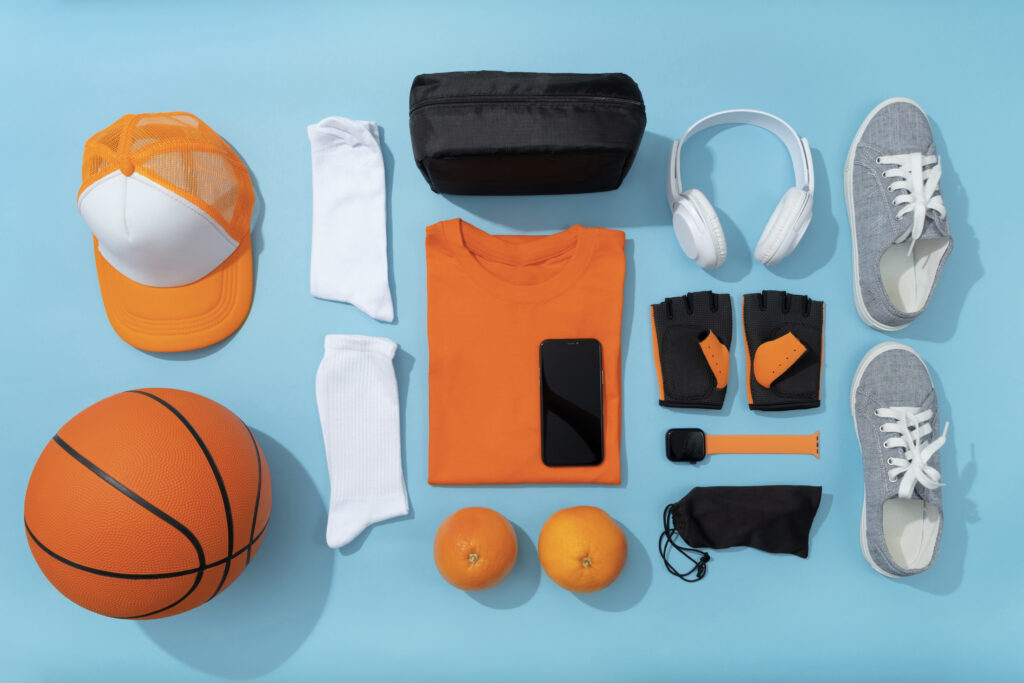
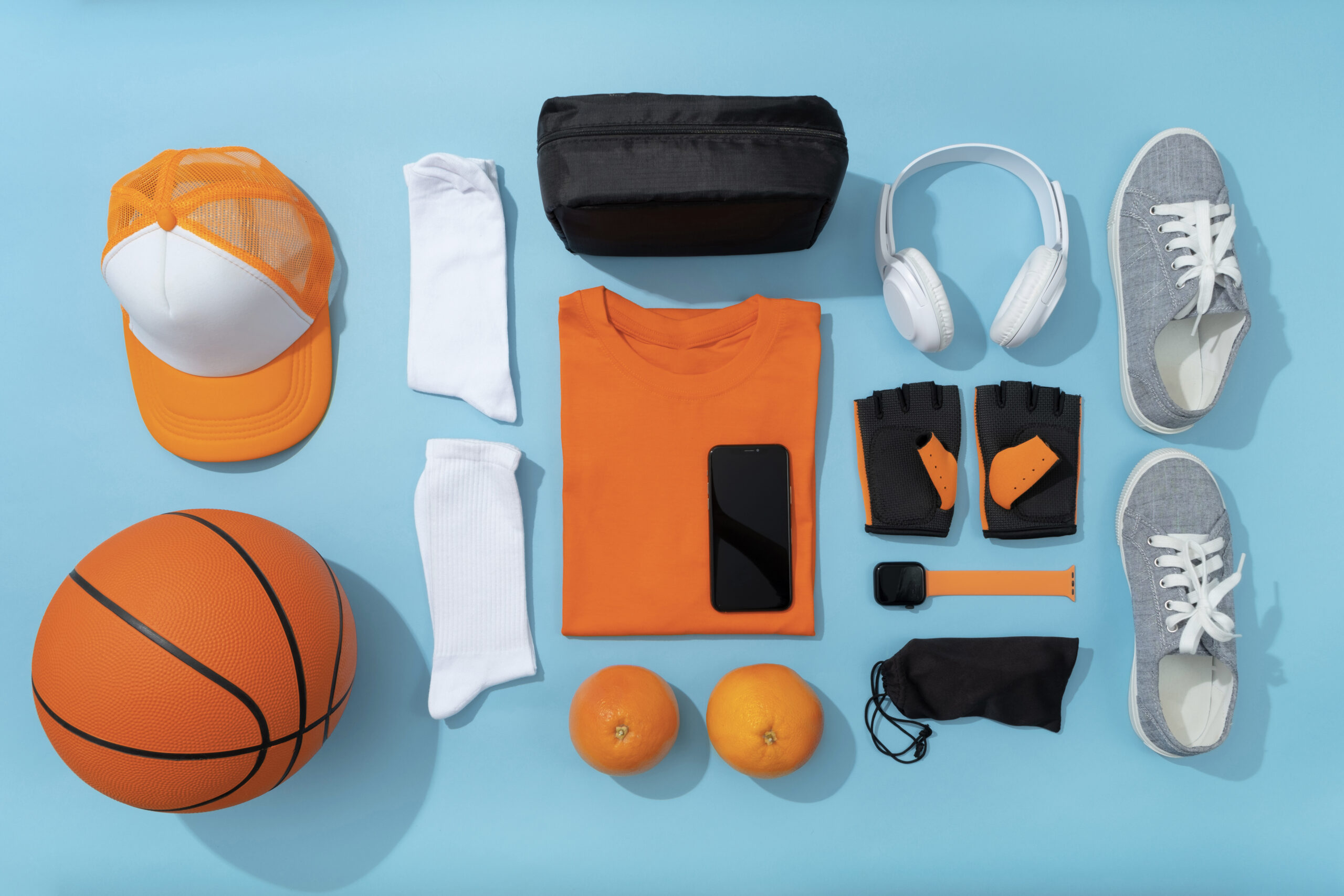
Sportswear and equipment play a crucial role in modern athletic performance, fitness routines, and active lifestyles. Whether you are a professional athlete, a fitness enthusiast, or someone who enjoys casual sports activities, the right sportswear and equipment can significantly impact your comfort, safety, and results. Over the years, sportswear has evolved from simple functional clothing into highly engineered apparel that combines performance, durability, technology, and style.
This comprehensive guide explores sportswear and equipment in detail, covering their importance, types, materials, technological advancements, and how to choose the right products for different sports and fitness needs.
What Is Sportswear and Equipment?
Sportswear refers to clothing designed specifically for physical activities, sports, and exercise. These garments are made to support movement, manage sweat, regulate temperature, and reduce the risk of injury.
Sports equipment includes tools, gear, and accessories used to play sports or perform physical activities. This can range from basic items like balls and rackets to advanced equipment such as protective gear, fitness machines, and wearable technology.
Together, sportswear and equipment form the foundation of effective training and safe athletic participation.
Importance of Quality Sportswear and Equipment
Choosing high-quality sportswear and equipment is not just about appearance—it directly affects performance and well-being.
Key benefits include:
-
Enhanced comfort during movement
-
Improved athletic performance
-
Reduced risk of injuries
-
Better sweat management and temperature control
-
Long-lasting durability and cost efficiency
Proper sportswear and equipment allow athletes to focus on their performance without distractions caused by discomfort or poor support.
Types of Sportswear
Sportswear varies depending on the sport, climate, and intensity of activity. Below are the main categories:
Activewear
Activewear is designed for workouts, gym sessions, yoga, and casual fitness activities. It includes:
-
T-shirts and tank tops
-
Leggings and joggers
-
Sports bras
-
Shorts and hoodies
Activewear often combines functionality with style, making it suitable for both exercise and everyday wear.
Performance Sportswear
This category is tailored for specific sports such as football, basketball, running, or cycling. Performance sportswear focuses on:
-
Aerodynamics
-
Muscle support
-
Lightweight construction
-
Moisture control
Examples include compression wear, running kits, and team uniforms.
Protective Sportswear
Protective sportswear minimizes injury risks and is essential for high-impact sports. It includes:
-
Helmets
-
Padding and guards
-
Shin guards
-
Mouthguards
These items are designed to absorb impact and protect vital body parts.
Seasonal Sportswear
Seasonal sportswear adapts to different weather conditions:
-
Thermal wear for cold environments
-
Breathable and UV-protective clothing for hot climates
-
Waterproof jackets for outdoor sports
Common Sports Equipment Categories
Sports equipment varies widely depending on the activity. Some common categories include:
Ball Sports Equipment
Used in sports like football, basketball, cricket, and volleyball:
-
Balls
-
Bats and rackets
-
Nets and goals
Fitness and Training Equipment
Essential for gyms and home workouts:
-
Dumbbells and barbells
-
Resistance bands
-
Treadmills and exercise bikes
-
Yoga mats
Outdoor and Adventure Sports Equipment
Designed for endurance and exploration:
-
Cycling gear
-
Hiking boots and backpacks
-
Camping accessories
-
Climbing equipment
Protective and Safety Gear
Safety-focused equipment includes:
-
Helmets
-
Knee and elbow pads
-
Gloves
-
Chest protectors
Materials Used in Sportswear
The effectiveness of sportswear largely depends on the materials used in its construction.
Polyester
One of the most popular materials due to its:
-
Lightweight nature
-
Durability
-
Moisture-wicking properties
-
Quick-drying capability
Nylon
Known for strength and flexibility, nylon is commonly used in compression wear and outer layers.
Spandex (Elastane)
Provides stretch and flexibility, allowing unrestricted movement and muscle support.
Cotton
While comfortable and breathable, cotton absorbs moisture and is better suited for low-intensity activities.
Merino Wool
Used in premium sportswear, especially for outdoor activities, due to its temperature-regulating and odor-resistant properties.
Technological Advancements in Sportswear and Equipment
Modern sportswear and equipment benefit from cutting-edge innovations that enhance performance.
Moisture-Wicking Technology
Advanced fabrics pull sweat away from the skin, keeping athletes dry and comfortable.
Compression Technology
Compression garments improve blood circulation, reduce muscle fatigue, and aid recovery.
Smart Sportswear
Integrated sensors and wearable technology track:
-
Heart rate
-
Movement
-
Calories burned
-
Performance metrics
Lightweight and Durable Designs
New manufacturing techniques reduce weight without compromising strength or safety.
How to Choose the Right Sportswear and Equipment
Selecting the right products requires careful consideration of several factors:
Sport-Specific Needs
Always choose sportswear and equipment designed for your specific activity. Running shoes differ greatly from football cleats or basketball trainers.
Fit and Comfort
Proper fit ensures comfort and prevents injuries. Sportswear should allow free movement without being too tight or loose.
Material Quality
Look for breathable, sweat-resistant, and durable fabrics that suit your environment and activity level.
Safety Standards
For protective gear, ensure products meet recognized safety certifications.
Durability and Maintenance
High-quality sportswear and equipment should withstand frequent use and washing without losing performance.
Sportswear and Equipment for Different Activities
Running
-
Lightweight shoes with proper cushioning
-
Moisture-wicking shirts and shorts
-
Compression socks
Gym and Fitness
-
Stretchable activewear
-
Supportive footwear
-
Training gloves and resistance bands
Team Sports
-
Sport-specific uniforms
-
Protective gear
-
Durable footwear
Outdoor Adventures
-
Weather-resistant clothing
-
Strong, lightweight equipment
-
Safety accessories
Sustainability in Sportswear and Equipment
Sustainability is becoming a major focus in the sports industry. Many brands now use:
-
Recycled polyester
-
Eco-friendly dyes
-
Ethical manufacturing practices
Sustainable sportswear and equipment reduce environmental impact while maintaining performance standards.
The Role of Sportswear and Equipment in Lifestyle and Fashion
Sportswear is no longer limited to gyms and fields. Athleisure has become a global trend, blending sportswear with casual fashion. This shift highlights:
-
Versatility of sportswear
-
Comfort-focused lifestyles
-
Stylish designs suitable for everyday wear
Future Trends in Sportswear and Equipment
The future of sportswear and equipment is driven by innovation and personalization:
-
AI-powered performance tracking
-
Custom-fit sportswear
-
Advanced sustainable materials
-
Enhanced smart wearables
These trends will continue to transform how athletes train, compete, and recover.
Conclusion
Sportswear and equipment are essential components of any active lifestyle. From enhancing performance and comfort to ensuring safety and style, the right choices can make a significant difference. As technology and sustainability continue to shape the industry, modern sportswear and equipment offer more benefits than ever before.
Whether you are training professionally, exercising casually, or embracing an active lifestyle, investing in high-quality sportswear and equipment ensures better performance, greater confidence, and long-term value. By understanding materials, technology, and sport-specific requirements, you can make informed decisions that support your fitness goals and overall well-being.