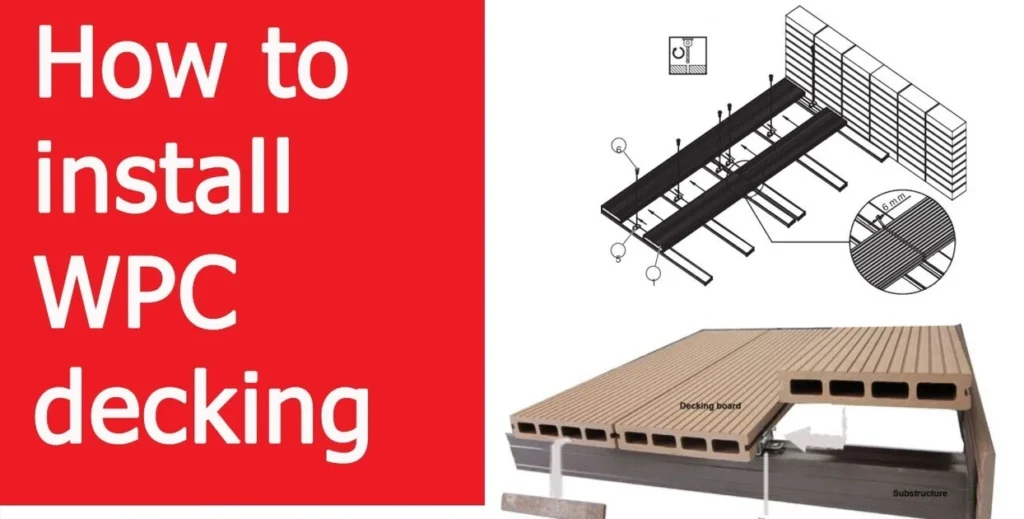
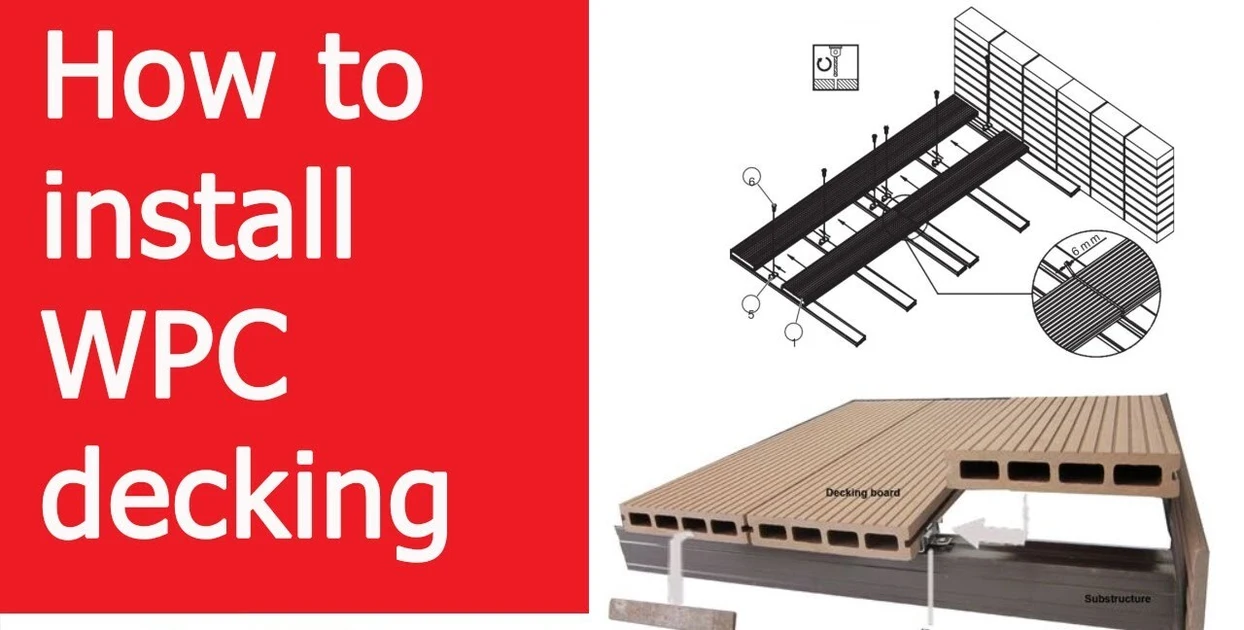
WPC wall panels have become a preferred choice for modern interior and exterior wall applications. Known for their durability, moisture resistance, and clean appearance, these panels are widely used in residential, commercial, and hospitality projects across global markets. Made from a blend of wood fiber and plastic, WPC (Wood Plastic Composite) panels combine the aesthetics of wood with the performance of engineered materials.
This guide walks through the complete installation process for WPC wall panels, along with expert tips to ensure a professional finish and long-term performance.
What Are WPC Wall Panels?
WPC wall panels are composite boards manufactured from wood powder, PVC resin, and additives. Compared to traditional wood or a standard pvc board, WPC panels offer enhanced stability, resistance to moisture, and low maintenance requirements.
They are commonly used for:
- Interior feature walls
- Exterior cladding
- Ceilings and partitions
- Commercial and retail spaces
Their consistent quality and ease of installation make them suitable for both contractors and experienced installers.
Tools and Materials You’ll Need
Before starting the installation, gather the necessary tools and materials. Proper preparation saves time and prevents errors during installation.
Basic requirements include:
- WPC wall panels
- Wall framing materials or battens
- Measuring tape and level
- Electric drill and screws
- Expansion clips or fasteners
- Cutting tools (circular saw or fine-tooth saw)
- Silicone sealant for joints (if required)
Ensure all panels are stored flat and acclimatized to the installation environment for at least 24 hours before use.
Step 1: Surface Preparation
A stable and even surface is essential for a clean installation. The wall does not need to be perfectly smooth, but it must be dry, structurally sound, and free from loose debris.
For uneven walls, install a framework using metal or wooden battens. The spacing between battens is typically 300–400 mm, depending on panel thickness and application. This framework provides ventilation and ensures secure fixing, especially for exterior projects.
Step 2: Measuring and Planning the Layout
Accurate measurement is critical. Measure the wall dimensions carefully and plan the panel layout in advance. Decide whether panels will be installed vertically or horizontally based on design preference and space proportions.
Planning ahead helps minimize waste and ensures a balanced appearance. Always account for expansion gaps at the edges, as WPC materials expand and contract slightly with temperature changes, similar to pvc board products.
Step 3: Cutting the Panels
Cut panels to size using a fine-tooth saw to achieve clean edges. When cutting openings for switches, sockets, or fixtures, mark carefully and cut slowly to avoid chipping.
Expert tip: Always cut panels from the back side when possible. This reduces visible edge imperfections on the finished surface.
Step 4: Installing the First Panel
The first panel sets the alignment for the entire wall. Position it carefully using a level to ensure it is perfectly straight.
Secure the panel to the battens using appropriate fasteners or clips, depending on the panel system. Avoid overtightening screws, as this can restrict natural expansion and cause deformation over time.
Step 5: Installing Remaining Panels
Once the first panel is installed, subsequent panels can be locked or fitted into place using the panel’s tongue-and-groove or click system. Ensure each panel is firmly seated before fixing.
Maintain consistent spacing and check alignment regularly. This step-by-step approach ensures a seamless appearance and prevents cumulative alignment errors.
For exterior installations, additional sealing may be required at joints or edges to enhance weather resistance.
Step 6: Finishing Touches
After all panels are installed, add finishing trims or corner profiles where required. These elements improve aesthetics and protect exposed edges.
Inspect the wall for gaps, loose panels, or surface marks. Clean the panels with a soft cloth to remove dust from installation. WPC wall panels require no painting or surface treatment, which is a major advantage over traditional wood or some pvc board applications.
Expert Tips for Best Results
Leave expansion gaps: Always allow space at edges and corners to accommodate thermal movement.
Use quality fasteners: Corrosion-resistant screws and clips extend the life of the installation.
Follow manufacturer guidelines: Panel thickness, batten spacing, and fixing methods vary by product.
Avoid direct heat sources: Do not install panels too close to fireplaces or high-heat fixtures.
Regular cleaning: Simple cleaning with water and mild detergent keeps panels looking new.
Why Choose Professional-Grade WPC Panels?
High-quality WPC wall panels offer superior performance, dimensional stability, and surface finish. Compared to standard pvc board materials, premium WPC panels provide a more natural look while maintaining excellent resistance to moisture, insects, and wear.
For contractors and developers, these panels reduce installation time, minimize callbacks, and deliver consistent results across projects. For end users, they offer long-term value with minimal maintenance.
Conclusion
Installing WPC wall panels is a straightforward process when approached with proper planning and the right techniques. From surface preparation to final finishing, each step plays a role in achieving a durable and visually appealing result.
Whether used in residential interiors or large-scale commercial projects, WPC wall panels offer a modern, reliable alternative to traditional wall materials and pvc board solutions. With careful installation and attention to detail, they can elevate any space with lasting performance and style.