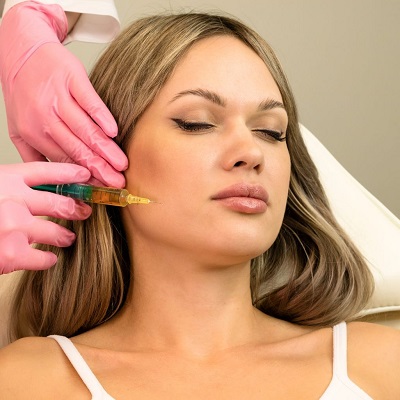
Getting dermal fillers can be an exciting step toward smoother, fresher-looking skin — but what happens after the appointment matters just as much as the treatment itself. Recovery is usually simple, yet the right habits can make healing quicker, safer, and more comfortable.
Many first-time patients — including those exploring Dermal fillers in Islamabad — want to know how to minimize swelling, bruising, or complications while getting the most natural-looking results possible. The truth is, recovery is not about doing more — it’s about doing the right things at the right time.
Understanding what to expect during the days that follow treatment helps reduce anxiety and prevents avoidable mistakes. When you know why your provider gives certain instructions, it becomes easier to follow them carefully.
Recovery also ties closely to expectations — and to practical topics like Dermal fillers cost. If you’ve invested in high-quality products and expertise, protecting your results is simply part of getting the best value and outcome.
Below, you’ll find realistic, doctor-backed recovery guidance designed specifically for beginners. These aren’t complicated tricks — they’re simple actions that genuinely make a difference.
What happens in your skin after fillers?
Dermal fillers work by replacing lost volume beneath the skin, supporting facial structure, and smoothing lines. While the injection process is quick, your tissues still experience micro-trauma from the needle or cannula. This is why mild swelling, redness, or bruising are normal.
Your body responds by bringing fluid and healing cells to the area. Over the next few days, that swelling gradually settles while the filler integrates with surrounding tissue. For hyaluronic acid fillers, hydration increases as the product attracts moisture — enhancing final results.
Knowing that these reactions are natural helps you stay calm instead of worrying something is wrong.
Immediate aftercare: the first 24 hours:
The first day is about being gentle.
-
Avoid touching, pressing, or massaging treated areas unless instructed.
-
Skip heavy workouts — increased blood flow may worsen swelling.
-
Stay upright; avoid lying face-down or sleeping on your side.
-
Use cool compresses (not ice directly) for 10–15 minutes at a time.
-
Drink water, and avoid salty foods and alcohol.
You may notice unevenness, small lumps, or asymmetry early on. In most cases, this is simply swelling and settles on its own.
Swelling and bruising — what’s normal?
Mild bruising can appear within the first 48 hours and change colors as it heals. Swelling often peaks around day two, then subsides over the next several days. Makeup can usually be applied after 24 hours unless your injector advises otherwise.
Call your provider immediately if you experience:
-
severe or worsening pain.
-
skin turning pale, blotchy, or dark.
-
vision changes.
-
unusual heat, pus, or fever.
These signs may indicate complications that need prompt evaluation.
Sleeping the right way matters:
How you sleep can influence results, especially around the cheeks, lips, and under-eyes. For the first 2–3 nights:
-
Sleep on your back.
-
Elevate your head slightly with extra pillows.
-
Avoid pressing your face into the pillow.
This prevents pressure that could shift filler while it is settling.
Can you exercise after fillers?
Movement increases blood flow, which may cause swelling or bruising to worsen. Gentle walking is fine — but postpone intense workouts, hot yoga, and weightlifting for 24–48 hours. Saunas and steam rooms should also wait.
After two days, most people can resume regular activity unless otherwise instructed.
Skincare during recovery:
Think “calming,” not “active.”
-
Use a gentle cleanser and moisturizer.
-
Avoid retinol, acids, scrubs, and exfoliants for several days.
-
Apply broad-spectrum sunscreen daily.
-
Skip facials, peels, or microneedling until cleared by your provider.
Treating your skin kindly supports smoother, more even results.
Makeup tips after fillers:
If there are needle entry points, bacteria is your biggest enemy. Wait 24 hours before applying makeup, and clean brushes thoroughly. Choose lightweight, non-comedogenic products to avoid clogging pores.
What about massages or facials?
Unless your injector specifically instructs you to massage, do not. Pressure can misplace filler and alter your final look. Lymphatic drainage or facial sculpting treatments should be postponed for at least 2–3 weeks.
Eating and hydration:
Hydration encourages the filler to integrate well and helps your skin look healthier. Avoid excessive sodium, alcohol, and spicy foods early on, as these can worsen swelling.
A balanced diet rich in antioxidants — fruits, vegetables, leafy greens — supports healing from the inside out.
Medications and supplements:
Some substances increase bleeding and bruising risk. Unless a doctor has prescribed them, try to avoid:
-
aspirin.
-
high-dose vitamin E.
-
ginkgo, garlic, or ginseng supplements.
-
fish oil in large amounts.
If you take prescribed blood thinners, always discuss filler plans with your physician first.
When results actually settle:
Fillers look their best once swelling resolves and product fully integrates. While you’ll notice change instantly, true results appear around:
-
1–2 weeks for lips and tear troughs.
-
2–4 weeks for cheeks, chin, and temples.
This is why most providers schedule follow-up appointments after everything has settled.
Top mistakes to avoid after fillers:
-
Exercising hard too soon.
-
Sleeping on your face.
-
Touching or squeezing the treated area.
-
Ignoring unusual pain or color changes.
-
Chasing “quick fixes” with extra filler too soon.
Patience always produces better — and safer — outcomes.
Emotional recovery matters, too:
It’s common to overanalyze every line in the mirror during the first week. Swelling can make results look uneven, larger than expected, or “not like you.” Give your face time. As swelling fades, features soften and balance naturally.
Taking photos day by day helps you see progress more realistically.
Follow-up appointments are important:
Your provider may recommend a check-in two weeks later. This isn’t about selling more treatment — it’s about ensuring symmetry, safety, and satisfaction. Minor adjustments, if needed, are easier and safer when the filler has settled.
Final thoughts:
Dermal filler recovery isn’t complicated — but it does require awareness, patience, and trust in your injector’s guidance. With the right habits, you minimize swelling, improve comfort, and protect the investment you’ve made in your appearance.
If you’re planning treatment or want personalized advice, choose an experienced practitioner who prioritizes education and safety. A reputable Royal cosmetic surgery clinic can guide you through consultation, aftercare, and follow-up to ensure your results heal beautifully — and last as long as possible.