
Sikkim, nestled in the Eastern Himalayas, is one of India’s most biodiverse states. The popular national parks in Sikkim are not only ecological treasures but also eco-tourism destinations that attract trekkers, wildlife enthusiasts, and spiritual seekers from around the world. Despite its small size, it is home to snow-capped peaks, alpine meadows, glacial lakes, and dense forests that shelter rare and endangered species.
This guide explores the most popular national parks in Sikkim, their highlights, flora and fauna, cultural significance, and travel tips.
🌄 Introduction to National Parks in Sikkim
- Sikkim is part of the Eastern Himalaya biodiversity hotspot.
- National parks here protect endangered species like the red panda, snow leopard, Himalayan musk deer, and blue sheep.
- Birdlife includes pheasants, partridges, and migratory species.
- Parks also safeguard medicinal plants, orchids, and rhododendrons.
🏞️ Popular National Parks in Sikkim
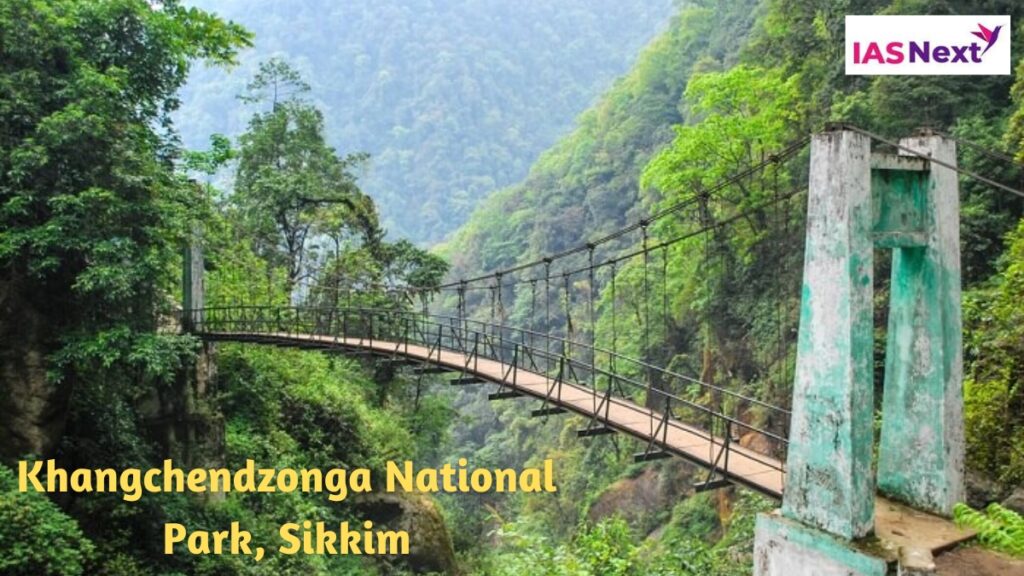
1. Khangchendzonga National Park (UNESCO World Heritage Site)
- Location: North and West Sikkim.
- Area: 1,784 sq km.
- Highlights: Named after Mount Khangchendzonga (Kanchenjunga), the third-highest peak in the world.
- Flora: Oak, fir, birch, rhododendrons, alpine grasses.
- Fauna: Snow leopard, red panda, Himalayan tahr, musk deer.
- Activities: Trekking to Goecha La, Dzongri, and Yuksom; camping; birdwatching.
- Cultural Significance: Sacred to both Buddhists and Lepchas, blending spirituality with ecology.
2. Singalila National Park (Shared with West Bengal)
- Location: Extends into West Sikkim along the Singalila Ridge.
- Area: 78.6 sq km in Sikkim.
- Highlights: Famous for panoramic views of Kanchenjunga and Everest.
- Flora: Rhododendrons, magnolias, orchids.
- Fauna: Red panda, leopard cat, Himalayan black bear.
- Activities: Trekking along Sandakphu–Phalut route, camping, photography.
3. Pangolakha Wildlife Sanctuary (Often grouped with national park circuits)
- While technically a sanctuary, it is often included in eco-tourism itineraries alongside national parks.
- Location: East Sikkim, bordering Bhutan.
- Area: 124 sq km.
- Fauna: Red panda, barking deer, Himalayan black bear.
- Birdlife: Great pied hornbill, blood pheasant.
- Activities: Trekking routes connecting Bhutan and West Bengal.
🎭 Cultural and Ecological Significance
- National parks are linked to local folklore and Buddhist traditions.
- Khangchendzonga is revered as a guardian deity.
- Eco-tourism initiatives promote conservation and local employment.
- Parks preserve sacred landscapes, blending spirituality with biodiversity.
🍲 Cuisine During National Park Tours
Food is an integral part of Sikkim’s eco-tourism:
- Signature Dishes: Momos, thukpa, phagshapa.
- Local Specialties: Gundruk soup, fermented bamboo shoots.
- Dining Experiences: Homestays near parks, organic meals, traditional feasts during festivals.
🎉 Festivals and Events
Visiting national parks during festivals adds vibrancy:
- Pang Lhabsol (August/September): Celebrates Mount Kanchenjunga.
- Saga Dawa (May/June): Buddhist festival commemorating Lord Buddha’s birth, enlightenment, and death.
- Losar (February/March): Tibetan New Year.
🌿 Flora and Fauna Highlights
- Mammals: Snow leopard, red panda, musk deer, Himalayan black bear.
- Birds: Blood pheasant, Himalayan monal, hornbills.
- Plants: Rhododendrons, orchids, medicinal herbs.
- Unique Feature: Khangchendzonga National Park alone has over 550 species of birds and 18 glaciers.
🚗 Adventure and Activities
National parks in Sikkim offer:
- Trekking: Goecha La, Dzongri, Singalila Ridge.
- Birdwatching: Pangolakha, Khangchendzonga.
- Camping: Dzongri meadows, Barsey region.
- Photography: Rhododendron blooms, alpine landscapes, wildlife.
🛍️ Shopping During National Park Tours
Shopping is an inseparable part of Sikkim tours:
- Handicrafts: Thangka paintings, woolen carpets.
- Souvenirs: Prayer flags, wooden masks.
- Local Produce: Organic tea, cardamom.
🏨 Accommodation Options
National park circuits offer diverse stays:
- Eco-Lodges: Sustainable stays near parks.
- Homestays: Dzongu, Yuksom, Lachung.
- Budget Hotels: Gangtok, Pelling.
- Camping: Dzongri, Goecha La base camps.
✈️ Travel Tips
- Best Time to Visit: March–June (spring/summer) and September–November (autumn).
- Winters (December–February): Ideal for snow lovers but very cold in high-altitude areas.
- Monsoon (July–August): Landslides may disrupt travel.
- Permits: Required for foreign nationals visiting Khangchendzonga and Nathula.
- Clothing: Warm layers for high altitudes, light cottons for lower regions.
- Transport: Nearest airport is Pakyong (near Gangtok) or Bagdogra (West Bengal).
📈 Importance of National Parks in Sikkim
- Provide employment to locals.
- Promote handicrafts and traditional arts.
- Preserve heritage sites and wildlife.
- Attract international tourists, boosting India’s eco-tourism image.
- Encourage sustainable travel and conservation awareness.
📝 Sample 8-Day Itinerary Covering Popular National Parks
Day 1–2: Gangtok
- Explore MG Marg, Rumtek Monastery.
- Ropeway ride and shopping.
Day 3–4: Khangchendzonga National Park
- Trek to Yuksom and Dzongri.
- Wildlife spotting and camping.
Day 5: Tsomgo Lake & Kyongnosla Alpine Sanctuary
- Yak rides, birdwatching.
- Photography of alpine meadows.
Day 6–7: Pelling & Singalila National Park
- Visit Pemayangtse Monastery, Rabdentse Ruins.
- Trekking along Singalila Ridge.
Day 8: Namchi & Departure
- Visit Char Dham complex and Samdruptse Hill.
- Return to Gangtok/Bagdogra.
📝 Conclusion
The popular national parks in Sikkim—Khangchendzonga, Singalila, and Pangolakha—are journeys into India’s Himalayan soul. From the grandeur of Kanchenjunga to the thrill of spotting red pandas and snow leopards, these parks offer unforgettable experiences. Their blend of culture, history, spirituality, and nature makes them some of the most sought-after eco-tourism destinations in India.
Popular National Parks in Sikkim ensure that every traveler leaves with memories of peace, adventure, and discovery.