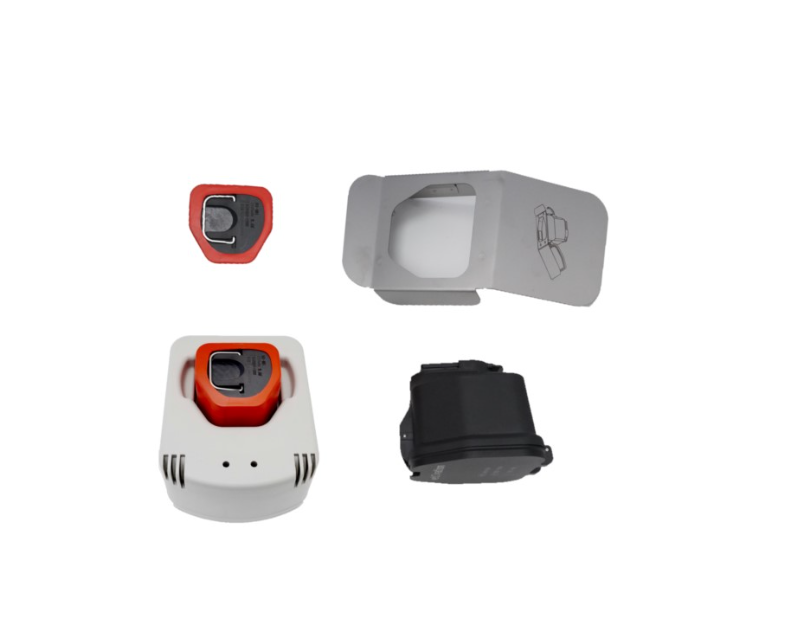
Every clinic that treats animals relies on clean, dependable tools. Procedures run smoothly when instruments are ready on time and properly sterilized. Many teams want a system that keeps workloads manageable while supporting safe surgical care. This is where a well-planned approach to veterinary surgery equipment sterilization makes a noticeable difference. When tools are processed quickly, veterinarians can schedule cases efficiently, avoid long delays, and maintain strong hygiene standards for every patient.
Compact kits for single instruments
Many clinics start with a compact kit designed for one item. These kits suit tools that are needed repeatedly, such as handpieces or small surgical accessories. A typical cycle for a single-instrument kit finishes in about seven minutes from start to finish. That means a tool can go straight from cleaning to the procedure room without holding up the schedule.
Medium kits for several items
Medium sterilization kits offer more space while keeping cycle times tight. These kits handle multiple tools at once, making them useful for general soft-tissue procedures or routine orthopedic work. A medium kit usually finishes in about fourteen minutes, even when preparing several pieces together.
Large kits for complete surgical sets
When a full setup is required, large sterilization kits take over. These kits comfortably hold complete surgical sets, including instruments for orthopedics, soft-tissue procedures, scopes, lighting tools, and vessel-sealing systems. A full cycle usually finishes in about thirty-six minutes.
Choosing the right option for your clinic
Every clinic has different needs. Some rely on rapid single-tool cycles, while others need medium or large kits that handle more tools in one go. The best choice depends on patient volume, procedure types, and the number of instruments required throughout the day.
When evaluating options, it helps to consider:
• How many surgeries does your team perform daily
• Whether you reuse the same instruments between cases
• The space available in your sterilization area
• The level of training your staff prefers
• The estimated turnaround time your clinic needs
A good sterilization setup should fit comfortably into your workflow without slowing anyone down. The goal is to prepare tools quickly while maintaining strong safety habits that protect both animals and staff.
Building a dependable equipment cycle
Reliable sterilization is essential for safe animal care. The right system helps clinics protect patients, reduce downtime, and keep instruments ready whenever they’re needed. A steady routine creates fewer interruptions and allows teams to focus fully on surgical quality.
With thoughtful planning, your clinic can maintain an efficient flow of veterinary surgery equipment that supports every procedure, from simple soft-tissue work to advanced orthopedic cases.