Modernizing Your Space: The Top 5 Wood Flooring Trends in Dubai This Year
The architectural landscape of Dubai is in a state of constant metamorphosis. As we move through 2026, the city is shifting away from the clinical, ultra-glossy finishes of the past decade and moving toward a concept designers call “Organic Luxury.” Central to this movement is the floor the literal foundation of any interior transformation.
While cold marble and oversized porcelain tiles have long been the regional default, there is a visible surge in homeowners opting for the warmth and character of timber. However, choosing Wood Flooring Dubai isn’t just about picking a color; it’s about selecting a material that can withstand the unique challenges of the UAE climate while staying ahead of the global design curve.
If you are looking to modernize your villa in Emirates Hills or a sleek apartment in Business Bay, here are the top five trends redefining the region’s interiors this year.
The “Sun-Drenched” Palette: Light Oak and Blonde Tones
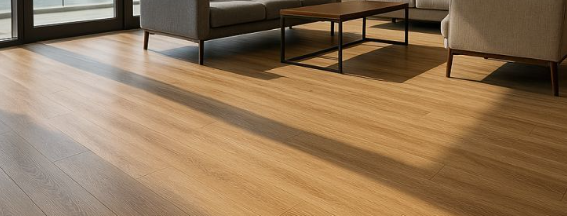
The most dominant trend in 2026 is the departure from dark, heavy woods like Wenge or Espresso. Instead, designers are embracing “Scandi-Arabesque,” a blend of Nordic minimalism and Middle Eastern light.
Light oak, ash, and blonde maple are at the forefront. These tones serve a dual purpose: they make smaller urban apartments feel significantly more spacious, and they don’t show the fine desert dust as easily as darker surfaces. These floors act as a neutral canvas, allowing vibrant upholstery or statement art pieces to take center stage.
e.g., In a sun-lit penthouse in Dubai Marina, installing a light-bleached oak floor helps reflect natural light, reducing the “closed-in” feeling often associated with dark furniture and deep-set windows.
Geometric Mastery: The Return of Modern Parquet
Standard straight planks are being replaced by intricate patterns that add a layer of architectural “rhythm” to a room. Flooring Dubai experts are reporting a record high in requests for Herringbone and Chevron layouts.
- Herringbone: This classic zigzag pattern is being used in oversized formats (planks up to 60cm) to create a sense of grandeur in large living areas.
- Chevron: Often seen in Parisian-style apartments, the “V” shape creates a sharp, clean line that directs the eye toward a view or a focal point, such as a floor-to-ceiling window overlooking the Burj Khalifa.
High-Performance Textures: The Rise of “Life-Proof” Matte
The era of high-shine, “gymnasium-style” finishes is over. In 2026, the trend is firmly focused on tactile, matte surfaces. Wire-brushed and hand-scraped textures are increasingly popular because they highlight the wood’s natural grain.
Beyond aesthetics, these textures are incredibly practical for Dubai families. Matte finishes are far superior at hiding micro-scratches from pets or the wear and tear of a busy household. When treated with modern UV-cured oils, these floors maintain a “raw” look while offering the protection of a high-grade sealant.
Comparative Analysis: 2026 Trending Materials
Choosing a trend is one thing; choosing the right technical specification for the Middle East is another. The table below outlines how the current top trends perform across different material types available in the local market.
| Trend Feature | Engineered Wood | SPC (Stone Plastic Composite) | Solid Hardwood |
| Aesthetic Value | Premium / Authentic | Modern / High-Definition | Traditional / Classic |
| Climate Stability | High (Resists Warping) | Excellent (Waterproof) | Low (Needs Humidity Control) |
| Installation Speed | Fast (Click/Glue) | Very Fast (Floating) | Slow (Nail/Glue) |
| Refinishing Potential | 1–3 Times | None | Unlimited |
| Best 2026 Trend Match | Wide Plank & Parquet | Matte Wood-Look | Custom Stained Planks |
Oversized Proportions: Extra-Wide and Long Planks
Scale is a defining feature of Dubai’s luxury real estate. To match the soaring ceilings and vast open-plan layouts of modern villas, flooring dimensions are expanding.
Planks that are 20cm to 30cm wide and over 2 meters long are becoming the standard for high-end renovations. Wider planks mean fewer seams, which creates a seamless, “uninterrupted” aesthetic. This trend works particularly well with “Character Grade” wood, where the knots and natural imperfections of the timber are allowed to shine across a larger surface area.
The “Biophilic” Shift: Eco-Conscious and Reclaimed Timber
Sustainability has moved from a niche concern to a primary driver for Dubai homeowners. There is a growing interest in FSC-certified woods and reclaimed timber.
Reclaimed wood offers a story it might be sourced from old barns or historic buildings, bringing a sense of history into a new-build Dubai property. For those who want the look of wood with a smaller carbon footprint, bamboo is making a stylish comeback in 2026, offering incredible durability and a unique vertical grain that fits perfectly with a minimalist aesthetic.
Technical Considerations for the Dubai Climate
Modernizing your space with Wood Flooring Dubai requires a “Climate-First” approach. Because the UAE experiences extreme external heat and constant internal air conditioning, the air inside most homes is exceptionally dry.
The Importance of Acclimatization
Before any installation, the wood must sit in the room where it will be installed for at least 48 to 72 hours. This allows the timber to adjust to the specific humidity levels of your home, preventing the planks from shrinking or expanding after they are laid.
Why Engineered is King in the UAE
While solid wood is beautiful, engineered wood is the undisputed champion for Flooring Dubai projects. Its multi-layered core is designed to resist the “cupping” and “crowning” that can happen when solid wood reacts to temperature fluctuations. It provides the exact look and feel of real timber with a technical stability that suits the desert environment.
e.g., If you are renovating a ground-floor villa in The Springs, choosing an engineered oak with a 4mm wear layer gives you the luxury of real wood while protecting your investment against the ground moisture often found in older garden-facing properties.
Maintenance: Protecting Your Modern Investment
A modern floor only stays modern if it is pristine. The secret to longevity in the Middle East is protecting the wood from the two biggest threats: UV rays and sand.
- UV Protection: Dubai’s intense sun can “bleach” wood over time. Using high-quality window tints or sheer curtains can preserve the depth of your floor’s color for years.
- The “Sand-Trap” Strategy: Sand acts like sandpaper on wood finishes. Placing high-quality mats at every entrance and adopting a “shoes-off” policy inside the home are the simplest ways to ensure your matte finish doesn’t turn into a scratched mess.
- Humidity Regulation: In 2026, many smart homes in Dubai now include built-in humidifiers within the AC system. Keeping your indoor humidity between 40% and 60% is the “Goldilocks Zone” for wood flooring.
Conclusion: Crafting a Timeless Modernity
Modernizing your space in Dubai is no longer about following the loudest trend; it is about finding the intersection between global style and regional practicality. Whether you lean toward the geometric complexity of a chevron parquet or the expansive serenity of wide-plank light oak, the goal is to create a home that feels grounded and organic.
Investing in high-quality Wood Flooring Dubai is one of the few renovations that offers an immediate lifestyle upgrade while simultaneously increasing the resale value of your property. The future of Dubai’s interiors is warm, textured, and deeply connected to nature and it all begins with the right floor.