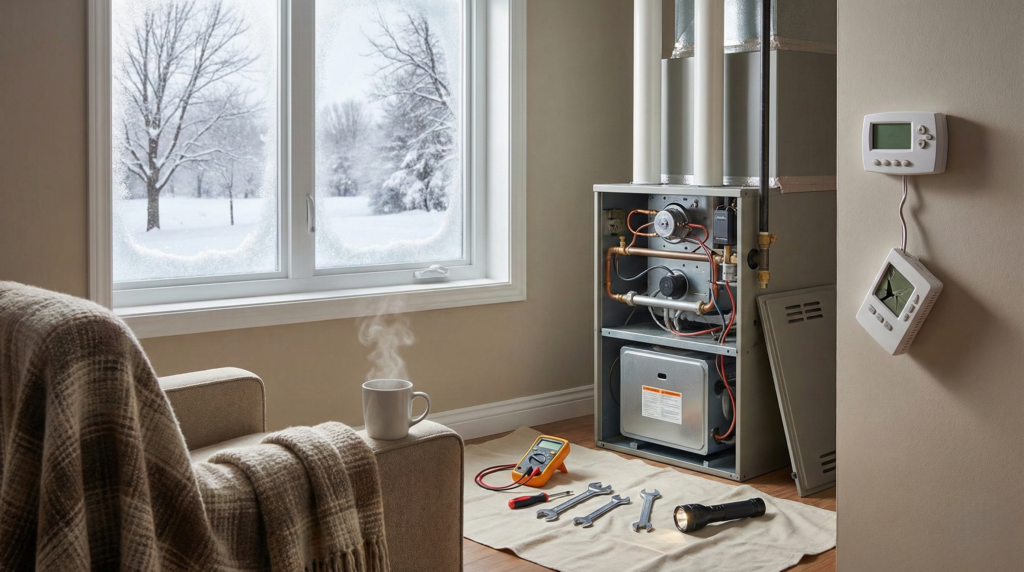
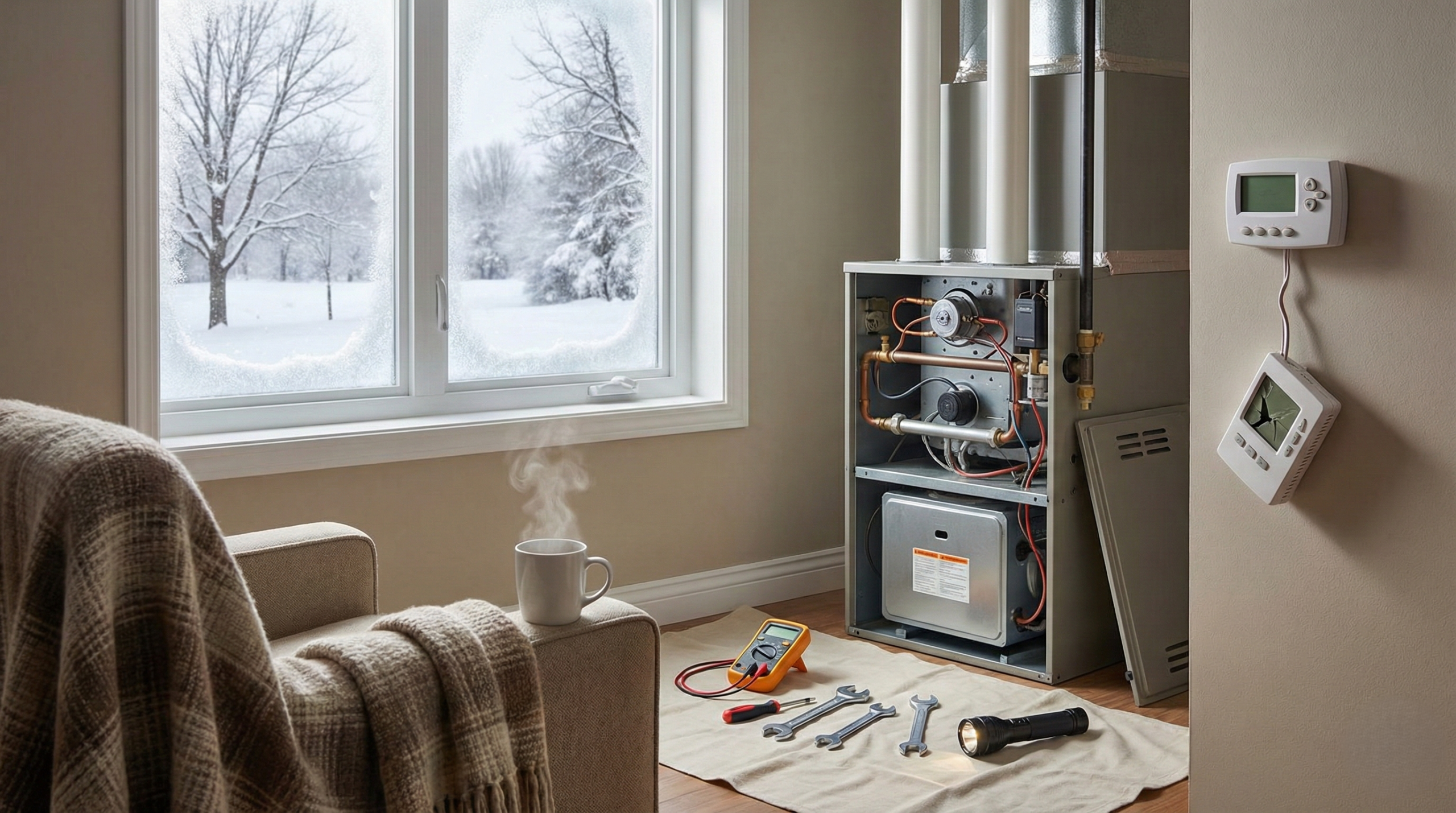
Cold winter months place intense demands on residential and commercial heating systems, making a heating repair service a critical topic for homeowners and property managers alike. As temperatures drop, heating equipment operates for longer periods, often exposing hidden issues that remain unnoticed during warmer seasons. Understanding why heating failures occur more frequently in winter helps individuals recognize risks early, protect indoor comfort, and avoid sudden system breakdowns. This article explores the technical, environmental, and operational reasons heating systems struggle in winter and explains why timely repairs play an essential role in maintainingsafety, efficiency, and reliability.
Concept Explanation
What a Heating Repair Service Involves
A heating repair service refers to the diagnostic and corrective processes used to restore malfunctioning heating systems. These services address issues affecting furnaces, heat pumps, boilers, and other heating equipment components such as burners, heat exchangers, thermostats, ignition systems, and airflow pathways. The goal is not enhancement or replacement but the restoration of safe and functional operation.
How Heating Systems Operate During Winter
During winter, heating systems are required to maintain consistent indoor temperatures despite cold outdoor conditions. This requires continuous fuel combustion or electrical operation, regulated airflow, and precise temperature control. As runtime increases, mechanical and electrical components experience more stress, making failures more likely.
Common Misunderstandings About Winter Heating Repairs
One widespread misconception is that heating systems fail only due to age. In reality, even newer systems may require repair in winter due to airflow restrictions, sensor errors, or fuel supply issues. Another misunderstanding is that minor performance changes are normal in cold weather, when they may indicate developing mechanical problems.
Common Problems / Issues
Heating systems encounter several recurring issues during winter, many of which prompt the need for a heating repair service:
-
Uneven heating across rooms
-
Sudden loss of heat during cold nights
-
Unusual noises such as rattling or banging
-
Short cycling, where the system turns on and off frequently
-
Rising energy consumption without improved comfort
-
Burners failing to ignite consistently
-
Thermostat inaccuracies
These symptoms often worsen in winter because the system lacks downtime to recover from small inefficiencies.
In-Depth Breakdown
Restricted Airflow Problems
Blocked or dirty air filters, closed vents, and duct obstructions reduce airflow. Limited airflow causes overheating within the system, triggering safety shutdowns or component damage. Over time, this strain may lead to blower motor failure or cracked heat exchangers.
Ignition and Burner Failures
Cold temperatures can affect ignition components such as pilot lights, hot surface igniters, and gas valves. Moisture infiltration and residue buildup may prevent burners from igniting correctly, leading to inconsistent heating or complete shutdowns.
Thermostat Communication Issues
Thermostats regulate system operation, but wiring degradation, calibration drift, or sensor malfunction can result in inaccurate temperature readings. This causes unnecessary cycling, uneven heating, or complete failure to activate the heating system.
Mechanical Wear and Tear
Bearings, belts, and motors experience increased wear when systems run continuously. Without intervention, friction and fatigue may cause components to seize or fail, requiring professional mechanical repair.
Fuel Supply Interruptions
Gas furnaces and boilers depend on stable fuel delivery. Ice buildup, pressure irregularities, or valve malfunctions may disrupt supply, preventing the system from generating heat efficiently.
Why These Problems Occur
Environmental Factors
Winter weather introduces freezing temperatures, humidity changes, and pressure fluctuations. Condensation may form inside system components, leading to corrosion or electrical shorts. Snow and ice accumulation can block vents or exhaust pathways, triggering safety shutdowns.
Usage-Based Stress
Heating systems often operate continuously during winter, unlike intermittent use during other seasons. Prolonged runtime accelerates component fatigue and reveals weaknesses that may not appear under lighter use.
System Design Limitations
Some heating systems are designed for moderate climates and may struggle in extended cold conditions. Undersized systems, outdated controls, or poorly designed ductwork are more susceptible to winter-related failures.
Preventive Measures / Best Practices
Preventive awareness can significantly reduce winter heating disruptions:
-
Replace or clean air filters regularly
-
Keep vents and registers unobstructed
-
Monitor unusual sounds or performance changes
-
Ensure exhaust and intake vents remain clear of debris
-
Maintain consistent thermostat settings to reduce strain
-
Observe changes in heating cycles or energy usage
While these measures do not replace professional repairs, they help identify problems before they escalate.
When Professional Help Is Needed
Professional heating repair becomes necessary when safety, complexity, or system reliability is compromised. Warning signs include persistent system shutdowns, gas odors, visible corrosion, electrical burning smells, or complete loss of heat. Modern heating systems contain safety controls and combustion components that require specialized tools and expertise to diagnose accurately.
Delaying professional attention in such cases increases the risk of system damage, indoor air quality issues, and safety hazards.
Long-Term Impact If Ignored
Ignoring heating problems during winter can result in cascading consequences. Reduced efficiency leads to higher energy usage and inconsistent indoor temperatures. Mechanical strain accelerates system aging, shortening equipment lifespan. In extreme cases, unresolved issues may result in carbon monoxide leaks, frozen pipes due to inadequate heating, or total system failure during peak winter demand.
Over time, small unresolved issues often evolve into complex failures that require extensive intervention and prolonged downtime.
Conclusion
A heating repair service becomes especially important in winter due to increased system demand, environmental stressors, and the heightened impact of even minor malfunctions. Understanding common winter heating issues, their causes, and potential consequences allows property owners to make informed decisions and prioritize system reliability. Educational awareness of these factors is essential for maintaining comfort, efficiency, and safety during colder months, as recognized by industry professionals such as Southern Air Heating and Cooling.
FAQs
Why do heating systems fail more often in winter?
Heating systems operate for longer periods in winter, increasing mechanical stress and exposing hidden issues related to airflow, ignition, and component wear.
Can cold weather directly damage heating equipment?
Cold weather itself does not damage systems, but freezing temperatures can cause condensation, corrosion, and vent blockages that interfere with proper operation.
Is uneven heating a sign of a serious problem?
Uneven heating often indicates airflow restrictions, duct issues, or thermostat inaccuracies, which can worsen if left unaddressed.
How does ignoring heating issues affect energy efficiency?
Unresolved heating problems force systems to work harder, increasing energy consumption while delivering less effective heating.
When should a heating issue be considered urgent?
Loss of heat, repeated shutdowns, gas odors, or unusual burning smells indicate urgent conditions requiring immediate professional evaluation.