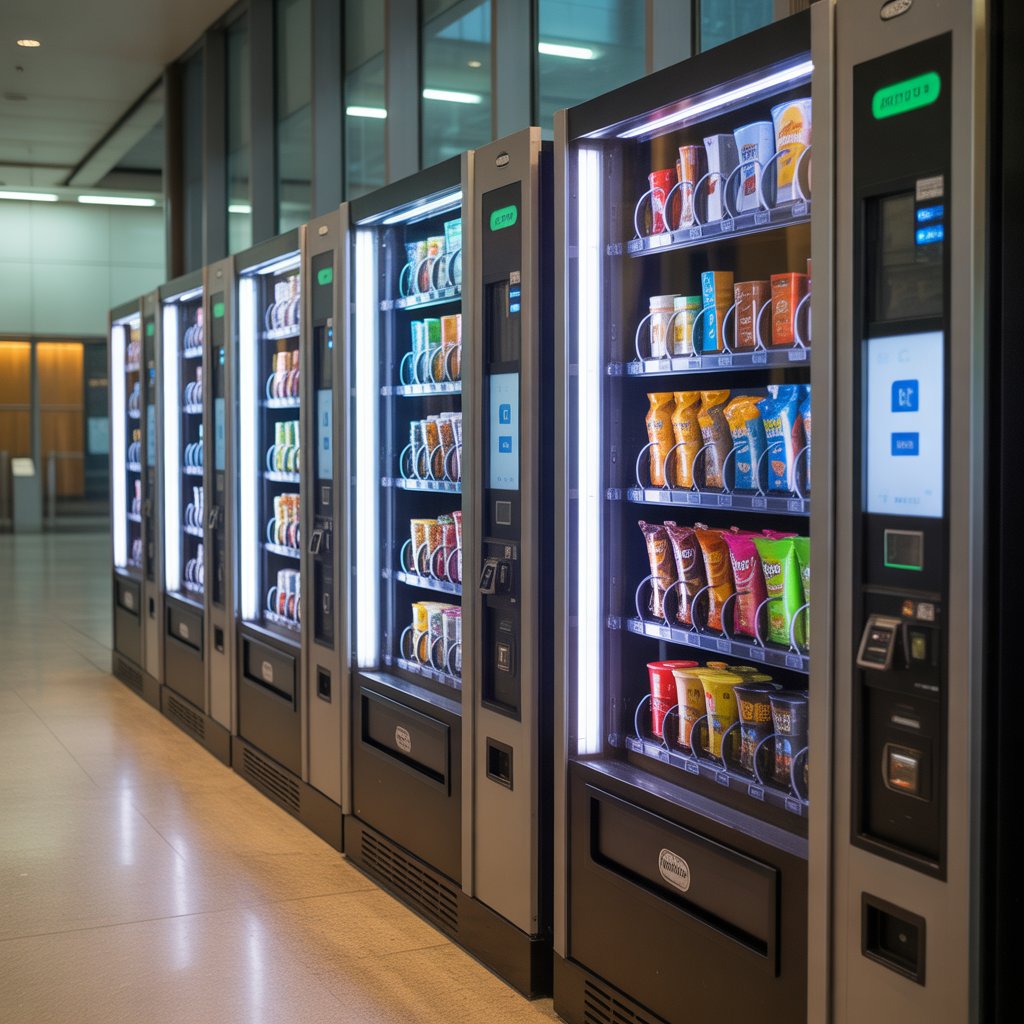
Walk into most automotive workshops, dealerships, or service centres across Australia, and you will likely find a vending machine tucked somewhere in the break room. For decades, these machines have dispensed the same predictable selection: chocolate bars, potato chips, soft drinks, and maybe a packet of stale biscuits. Workers grab whatever is available during their short breaks, often eating quickly before returning to physically demanding tasks. Nobody gave much thought to whether these food choices supported the kind of work mechanics, panel beaters, and service advisors perform daily. The assumption was simple: people want convenient snacks, and vending machines provide them. However, something interesting has started happening in automotive workplaces around the country. Business owners are questioning whether the traditional vending machine model truly serves their workforce. They are discovering that what employees eat during breaks directly affects their energy levels, concentration, and overall wellbeing. This realization is transforming how the automotive industry thinks about workplace nutrition.
The Physical Reality of Automotive Work
Automotive work demands considerable physical effort and mental focus. Mechanics spend hours on their feet, often in awkward positions underneath vehicles or bent over engine bays. Panel beaters perform repetitive motions that require sustained strength and precision. Service advisors juggle multiple customer interactions while coordinating with technical staff and managing scheduling pressures. All these roles burn significant energy throughout the workday. Research shows that automotive technicians can burn between 250 and 400 calories per hour depending on the specific tasks they perform. A full eight-hour shift might require 2,000 to 3,000 calories to maintain energy levels and body function. The quality of those calories matters enormously. A chocolate bar provides a surge of quick energy followed by a crash an hour later. A protein-rich snack with complex carbohydrates delivers sustained energy that supports concentration and physical performance for several hours.
What Traditional Vending Offers
The typical vending machine selection was designed around shelf life, not nutrition. Manufacturers choose products that can sit for months without spoiling, which means highly processed foods loaded with sugar, salt, and preservatives. A standard 50-gram chocolate bar contains around 250 calories, mostly from sugar and fat, with minimal nutritional value. A packet of chips offers similar empty calories plus excessive sodium. The soft drinks available typically contain 10 to 12 teaspoons of sugar per can. When workers rely on these options for their mid-morning or afternoon break, they are essentially fuelling their bodies with ingredients that cause energy spikes and crashes. The immediate satisfaction of sweet or salty flavours does not translate into sustained work performance. Many automotive workers report feeling sluggish in the afternoon, struggling to maintain focus during the last hours of their shift. The connection between poor snack choices and declining energy rarely gets acknowledged, yet the pattern repeats daily across thousands of workshops.
The Health Cost to Workers
Beyond immediate energy concerns, the long-term health implications of poor workplace nutrition deserve attention. Automotive workers already face occupational health risks including back strain, joint problems, and exposure to chemicals and fumes. Adding poor nutrition to this mix compounds the issue. Diets high in processed foods and sugar contribute to weight gain, diabetes risk, cardiovascular problems, and decreased immune function. Studies indicate that approximately 67% of Australian adults are overweight or obese, with workplace food environments playing a contributing role. When the only available options during work hours are unhealthy, employees face difficult choices. They can bring food from home, which requires planning and preparation time many lack. They can skip breaks entirely, which leads to fatigue and decreased performance. Or they can eat what is available and accept the health consequences. None of these options serve the worker or the employer well.
Why Businesses Are Making Changes
Smart automotive business owners have started recognizing the connection between employee nutrition and business outcomes. Worker productivity directly impacts profitability. A mechanic who maintains steady energy and focus throughout the day completes jobs more accurately and efficiently than one experiencing sugar crashes and fatigue. Service quality improves when staff feel physically well and mentally sharp. Customer interactions become more pleasant when employees are not dealing with the irritability that comes from poor nutrition and energy fluctuations. Staff retention also improves when workers feel their employer genuinely cares about their wellbeing. The automotive industry faces ongoing challenges with skilled labour shortages. Workshops that create better working conditions, including access to proper nutrition, gain an edge in attracting and keeping talented technicians. The cost of replacing a skilled mechanic can reach $15,000 to $20,000 when you factor in recruitment, training, and lost productivity. Investing in workplace wellness, including better food options, costs far less.
How Vending Systems Fit Automotive Environments
Automotive workplaces differ from offices. Dust, noise, temperature changes, and shift schedules create unique conditions. Vending systems placed in these settings must suit the environment.
Machines are often placed near:
-
Workshop break rooms
-
Factory lunch areas
-
Warehouse rest zones
-
Fleet depots
Their placement ensures workers can reach them without leaving the site. This reduces disruption while supporting consistent access to food.
What Healthy Vending Actually Means
The shift toward healthier vending does not mean replacing chocolate bars with celery sticks. Successful implementations recognize that workers want food that tastes good and satisfies hunger while also providing nutritional value. Modern healthy vending machines stock items like protein bars made with nuts and dates rather than processed ingredients. Fresh fruit becomes available alongside traditional options. Yoghurt, cheese, and crackers offer sustained energy. Trail mix provides protein and healthy fats. Sugar-free or low-sugar drinks replace regular soft drinks. Sandwiches and wraps made fresh daily give workers a proper meal option. The key lies in expanding choices rather than restricting them. Workers appreciate having options that support their health goals while still enjoying occasional treats. A well-designed healthy vending machine typically maintains 60 to 70% nutritious options with 30 to 40% traditional choices, allowing personal preference while encouraging better habits.
Real Results From Australian Workplaces
Several automotive businesses across Australia have already made this transition and documented the results. A Melbourne dealership with 45 staff members switched to healthier vending options in early 2023. Within six months, they noted a 23% reduction in afternoon sick leave, which typically occurs when workers feel unwell but not sick enough to leave for the full day. Employee surveys showed 78% felt they had more energy throughout their shifts. A Sydney automotive repair facility with 30 technicians reported that job completion times improved by an average of 12 minutes per service after implementing nutritious snack options. While this might seem minor, across hundreds of jobs per month, the productivity gain proved significant. A Brisbane panel shop owner noted that workplace injuries decreased by 15% in the year following their vending upgrade. While not scientifically controlled studies, these real-world observations suggest meaningful connections between nutrition and workplace performance.
How Employers View the Change
Employers see healthier vending systems as part of workplace care. While machines alone do not define workplace culture, they contribute to how workers feel valued. Providing better food choices signals awareness of worker needs. This supports morale without requiring major changes to operations.
Connecting the System to Everyday Use
In many automotive locations, vending systems are managed through services that supply, maintain, and restock machines. One such service, Vending System, fits naturally into this setting by supporting workplaces that want to align break time with health awareness while keeping daily operations steady. When vending services understand the environment they serve, machines become part of the workflow rather than an afterthought.
Stories From the Floor
Workers often share small but meaningful changes. A mechanic choosing nuts instead of chips. A warehouse worker switching to water during afternoon breaks. These moments may seem minor, yet they reflect a broader shift in mindset. Break time is no longer only about stopping work. It is about preparing the body for the rest of the shift.
Challenges and Realistic Expectations
Health-focused vending does not replace full meals or personal choice. It provides options. Workers still decide what to eat. The goal is availability, not control. By offering balanced options, workplaces support choice without pressure.
The Broader Workplace Culture Shift
Upgrading vending machines represents just one element of a larger movement toward workplace wellness in the automotive industry. Progressive businesses are also examining work schedules to ensure adequate break times, improving break room facilities to create more comfortable spaces, offering health and fitness programs, and providing education about nutrition and wellbeing. These initiatives work together to create environments where employees feel valued and supported. The automotive industry has traditionally focused heavily on technical skills and productivity metrics while paying less attention to human factors like nutrition, rest, and overall wellness. That balance is shifting as research continues demonstrating the links between employee wellbeing and business success. Companies that embrace this shift position themselves as employers of choice in an increasingly competitive labour market.
Addressing Common Objections
Some automotive business owners hesitate to upgrade their vending offerings due to perceived obstacles. They worry about higher costs, employee resistance, or implementation complexity. These concerns deserve honest examination. Yes, fresh healthy options typically cost more than bulk processed snacks. However, the price difference narrows when you factor in reduced sick leave, improved productivity, and better employee retention. Employee resistance often stems from unfamiliarity rather than genuine preference. After a brief adjustment period, most workers appreciate having better choices available. Implementation does require some effort upfront, but working with specialized vendors handles most of the complexity. The alternative—maintaining the status quo with traditional unhealthy vending—carries its own costs in terms of workforce health and performance that often go unmeasured but remain very real.
Looking Forward
The movement toward healthy vending in automotive workplaces will likely accelerate as more businesses see positive results and share their experiences. Younger workers entering the industry increasingly expect employers to support their wellness goals, making this shift necessary for attracting new talent. Technology continues improving, with smart vending machines that track inventory in real time, suggest personalized options based on previous purchases, and even offer cashless payment through mobile apps. These advances make healthy vending more practical and appealing. As Australian society broadly becomes more health-conscious, workplace food environments will continue evolving. The automotive industry, despite its traditional nature, is not immune to these trends. Businesses that adapt early gain advantages in workforce quality and stability.
Conclusion: Break Time With Purpose
Rethinking break time nutrition in automotive workplaces reflects a growing understanding that how we fuel our bodies directly impacts how we perform our jobs. The physical and mental demands of automotive work require proper nutrition, not just convenient calories. Workers deserve access to food that supports their health and energy rather than undermining it. Business owners who recognize this create better working environments, improve productivity, and build more engaged teams. The humble vending machine, long an afterthought in workplace planning, has emerged as a meaningful tool for supporting workforce wellbeing. Making the switch from traditional junk food offerings to nutritious options represents a small change with significant ripple effects. Your employees spend a third of their waking hours at work. What you offer them during that time matters more than you might think. The choice between a chocolate bar and a protein-rich snack bar might seem trivial in isolation, but multiplied across every break, every worker, and every workday, it becomes the difference between a workforce that struggles through afternoons or one that maintains steady energy and focus from clock-in to clock-out. That difference shows up in the quality of work, the satisfaction of customers, and the success of your business.