In the highly competitive cryptocurrency market, technology alone no longer defines success. While security, liquidity, and performance remain essential, user experience has become the primary differentiator among exchanges. Traders today whether beginners or professionals expect platforms that are intuitive, fast, visually clear, and adaptable to their trading style.
This is why customizable UI/UX has become a core feature in cryptocurrency exchange development. A rigid, one-size-fits-all interface may function technically, but it often fails to engage users, leading to high bounce rates, low retention, and missed revenue opportunities.
Modern cryptocurrency exchange development focuses on delivering flexible, user-centric interfaces that adapt to diverse user profiles, devices, and market conditions. Custom UI/UX design allows exchanges to improve usability, build trust, and create differentiated trading experiences that scale with business growth.
In this article, we explore why customizable UI/UX is essential in cryptocurrency exchange development, how it impacts user adoption and retention, and how it supports long-term platform scalability.
The Role of UI/UX in Cryptocurrency Exchanges
UI/UX as the First Trust Signal
For many users, the interface is the first indicator of an exchange’s credibility. A clean, responsive, and logically structured UI signals professionalism, reliability, and security.
Strong UI/UX design communicates:
-
Platform legitimacy
-
Operational transparency
-
Ease of navigation
-
Technical maturity
In cryptocurrency exchange development, UI/UX directly influences whether users trust the platform enough to deposit and trade funds.
Reducing Cognitive Load for Traders
Crypto trading involves complex data, fast decision-making, and high financial risk. Poor UI/UX increases cognitive load, leading to user errors and frustration.
Customizable UI/UX helps by:
-
Organizing data clearly
-
Highlighting key metrics
-
Simplifying workflows
-
Reducing unnecessary visual clutter
A well-designed interface improves decision accuracy and user confidence.
Why One-Size-Fits-All UI Fails in Crypto Exchanges
Diverse User Personas
Cryptocurrency exchanges serve a wide range of users:
-
Beginners and first-time traders
-
Retail investors
-
Professional and institutional traders
-
High-frequency and algorithmic traders
Each group has different expectations and skill levels. Fixed UI designs force all users into the same experience, limiting usability.
Customizable UI/UX enables cryptocurrency exchange development teams to support multiple user journeys within a single platform.
Different Trading Behaviors and Preferences
Not all traders interact with the market in the same way.
Some prioritize:
-
Simple buy/sell interfaces
-
Mobile-first trading
-
Visual price charts
Others demand:
-
Advanced order types
-
Real-time depth charts
-
Custom indicators and layouts
Customization allows users to tailor the interface to their workflow.
Key UI Customization Features in Cryptocurrency Exchange Development
Modular Interface Design
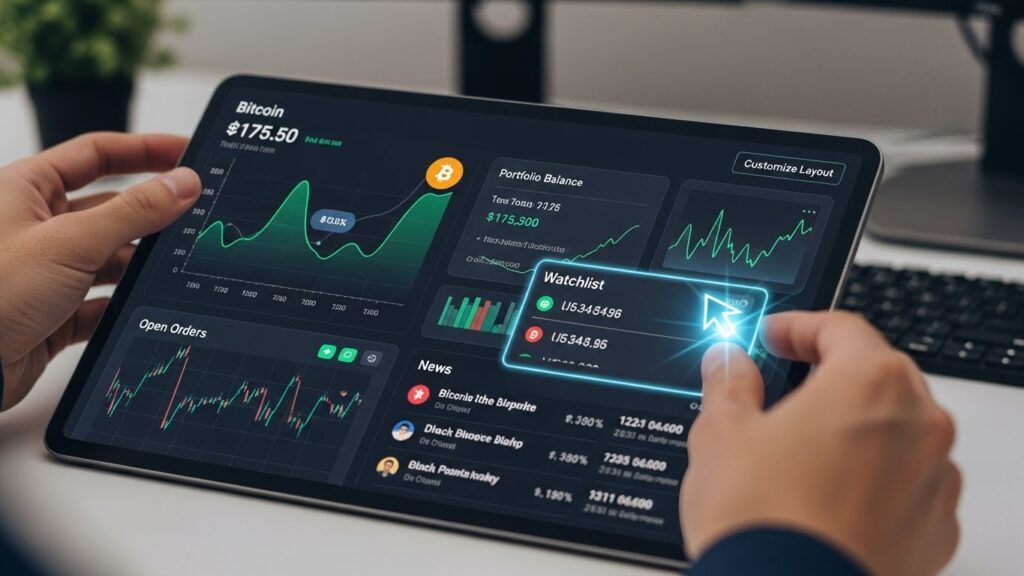
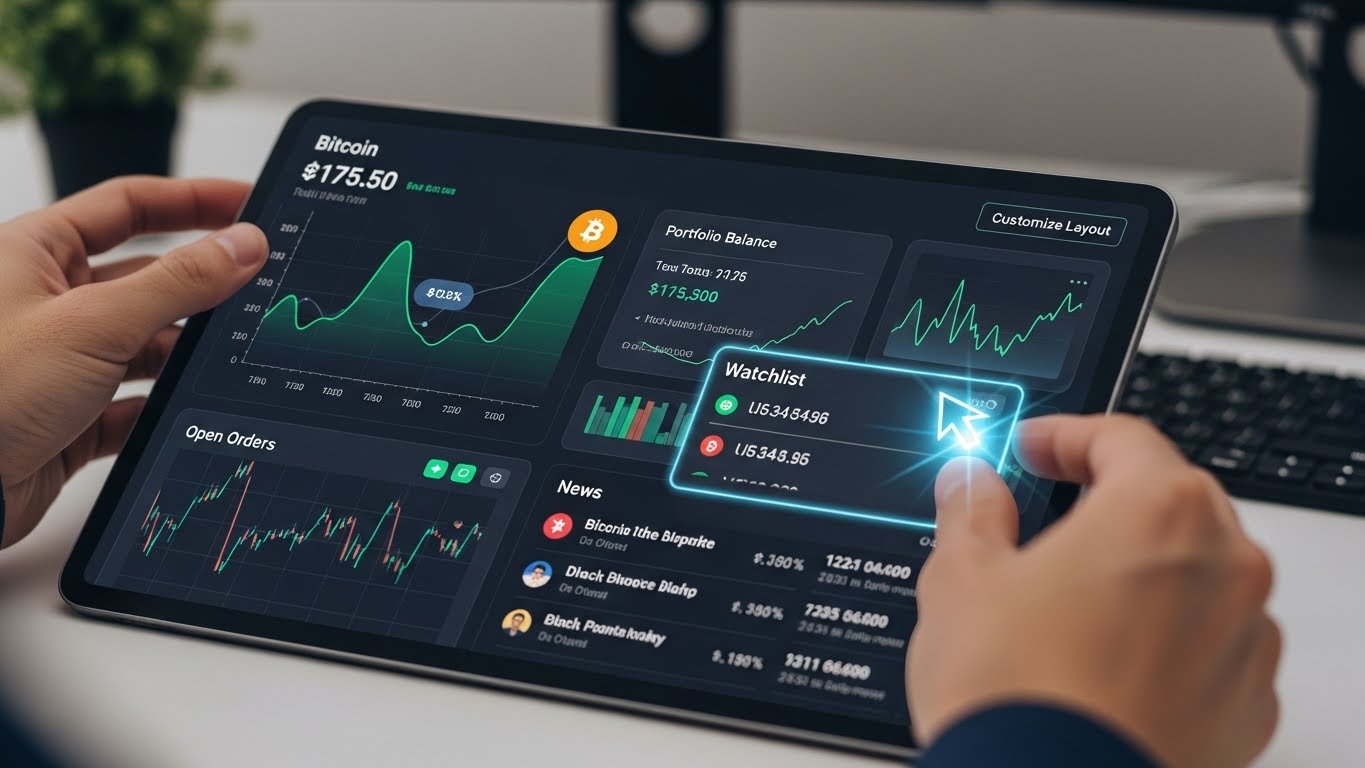
Modular UI architecture enables users to rearrange, enable, or disable interface components.
Benefits include:
-
Personalized dashboards
-
Adjustable trading panels
-
Flexible chart placement
-
Optimized screen usage
Modularity improves engagement and usability across user types.
Theme and Layout Customization
Visual comfort plays a critical role in trading performance.
Customization options may include:
-
Light and dark themes
-
Adjustable font sizes
-
Color-coded indicators
-
Grid-based or compact layouts
These features reduce eye strain and improve long-session usability.
UX Customization for Different Trading Levels
Beginner-Friendly Experiences
New users often feel overwhelmed by advanced trading interfaces.
Customizable UX allows exchanges to:
-
Offer simplified default views
-
Hide advanced features initially
-
Provide guided onboarding flows
-
Use contextual tooltips and hints
This lowers entry barriers and increases onboarding success.
Advanced Trading Interfaces for Professionals
Experienced traders require speed, precision, and depth.
Advanced UX features include:
-
Custom chart indicators
-
Multi-chart views
-
Advanced order configuration panels
-
Keyboard shortcuts and hotkeys
Customizable UI/UX ensures professionals are not constrained by basic interfaces.
Mobile UI/UX Customization in Exchange Development
Mobile-First Trading Expectations
A large portion of crypto trading happens on mobile devices. Fixed desktop-style interfaces perform poorly on smaller screens.
Customizable mobile UI/UX supports:
-
Gesture-based navigation
-
Collapsible panels
-
Quick trade actions
-
Responsive chart scaling
This improves accessibility and engagement.
Cross-Device UX Consistency
Users expect seamless experiences across devices.
Cryptocurrency exchange development must ensure:
-
Synchronized preferences
-
Consistent layouts
-
Unified account behavior
-
Smooth device transitions
Customization settings that persist across devices enhance user satisfaction.
UI/UX Customization and Trading Performance
Faster Decision-Making
Custom layouts reduce the time needed to locate critical information.
Key performance benefits include:
-
Faster trade execution
-
Reduced errors
-
Improved reaction to market changes
-
Higher trading confidence
UX optimization directly impacts trading outcomes.
Supporting High-Frequency and Active Traders
Active traders benefit from:
-
Minimal interface latency
-
Streamlined workflows
-
Custom alerts and notifications
-
Optimized data visualization
Custom UI/UX enables efficient high-volume trading.
Branding and Market Differentiation Through UI/UX
Building a Recognizable Brand Identity
UI/UX is a core part of brand identity.
Custom cryptocurrency exchange development allows:
-
Unique color schemes
-
Branded interface elements
-
Distinct interaction patterns
-
Consistent visual language
A strong visual identity improves brand recall and trust.
Standing Out in a Crowded Market
With hundreds of exchanges competing for attention, differentiation matters.
A customized UI/UX helps:
-
Create memorable experiences
-
Communicate value clearly
-
Reduce churn
-
Increase referrals
UX becomes a strategic marketing asset.
UX Customization and User Retention
Personalization Drives Engagement
Users are more likely to stay on platforms that adapt to them.
Customization supports:
-
Personalized dashboards
-
Saved preferences
-
Custom alerts
-
Adaptive content display
Personalization strengthens long-term engagement.
Reducing User Friction and Drop-Off
Friction leads to abandonment.
UX customization helps:
-
Simplify workflows
-
Eliminate unnecessary steps
-
Align interfaces with user intent
-
Improve task completion rates
Lower friction means higher retention.
Accessibility and Inclusivity in UI/UX Design
Supporting Global User Bases
Crypto exchanges serve global audiences with varying needs.
Accessibility features include:
-
Language support
-
Adjustable text sizes
-
High-contrast themes
-
Screen reader compatibility
Custom UI/UX ensures inclusivity.
Compliance and Usability Alignment
Regulatory requirements often demand clear disclosures and user controls.
Custom UX allows:
-
Transparent risk notices
-
Easy access to policies
-
User-controlled permissions
-
Clear consent mechanisms
This supports both usability and compliance.
Technical Architecture for Customizable UI/UX
Component-Based Frontend Frameworks
Modern cryptocurrency exchange development uses component-based architectures.
Benefits include:
-
Faster UI updates
-
Easier customization
-
Improved maintainability
-
Scalability
Components enable rapid UX evolution.
API-Driven UX Customization
APIs decouple frontend and backend logic.
This allows:
-
Dynamic UI changes
-
Feature toggling
-
Personalized experiences
-
Continuous UX experimentation
API-driven customization future-proofs the platform.
Future Trends in Crypto Exchange UI/UX
AI-Driven Personalization
AI will play a larger role in UX.
Future capabilities include:
-
Adaptive dashboards
-
Behavior-based recommendations
-
Smart alerts
-
Predictive interface layouts
AI enhances personalization at scale.
Immersive and Interactive Interfaces
Emerging trends include:
-
Advanced data visualization
-
Interactive charting tools
-
Real-time collaboration features
-
Gamified UX elements
These innovations redefine trading experiences.
Conclusion
Customizable UI/UX is no longer an optional enhancement it is a core requirement in cryptocurrency exchange development. In a market defined by complexity, volatility, and user diversity, flexible interfaces empower users to trade confidently, efficiently, and securely.
By enabling personalization, reducing friction, supporting diverse trading styles, and reinforcing brand identity, customizable UI/UX directly impacts user adoption, retention, and platform growth. Exchanges that invest in user-centric design gain a decisive advantage in trust, usability, and long-term success.
As cryptocurrency markets continue to evolve, exchanges that treat UI/UX customization as a strategic pillar—not an afterthought—will lead the next generation of digital trading platforms.