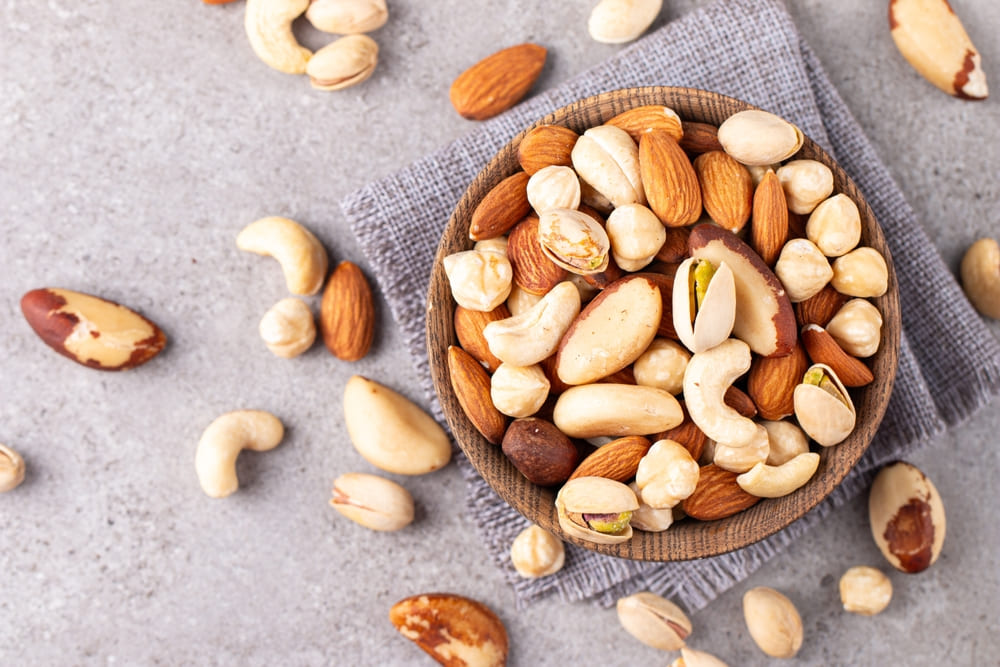
Dry fruits are a valuable part of a healthy diet. They provide nutrition, flavor, and convenience in everyday meals. However, many people notice that dry fruits lose freshness faster than expected. This usually happens because of improper storage habits. Heat, air, and moisture slowly reduce quality and taste. Learning how to store them correctly protects both nutrition and investment.
Freshness is not only about taste. It also affects safety and health benefits. Poor storage can lead to spoilage, mold, or unpleasant odor. With simple steps, you can extend shelf life significantly. This guide explains practical and easy ways to store dry fruits properly. Small changes in storage can make a big difference over time.
Why Proper Storage Matters for Dry Fruits
Dry fruits are concentrated foods with natural oils and sugars. These elements react easily to air and heat. When exposed, they begin to lose flavor and nutrients. Over time, this leads to rancidity and spoilage. Proper storage slows down this process effectively.
Dry fruits also absorb moisture from the environment. Moisture creates the perfect condition for mold growth. This makes correct storage even more important. Clean, cool, and dry storage protects quality. Awareness helps avoid unnecessary waste and disappointment.
Understanding Shelf Life and Spoilage
Different dry fruits have different shelf lives. Nuts spoil faster due to oil content. Dried berries last longer if stored correctly.
Knowing these differences helps plan storage. It also guides buying quantity. Freshness improves with proper planning.
Choosing the Right Containers for Storage
Containers play a major role in keeping dry fruits fresh. Airtight containers are the best choice for long term storage. They prevent air and moisture from entering. Glass and stainless steel containers work especially well. These materials do not absorb odor or moisture.
Avoid using thin plastic bags for storage. Plastic allows air exchange over time. Using quality containers protects texture and taste. Good containers also keep pests away. This simple step improves shelf life significantly.
Why Airtight Seals Are Essential
Air causes oxidation of natural oils. Oxidation leads to bitterness and smell. Airtight seals slow this reaction.
Investing in good containers saves money long term. Freshness remains intact. Storage becomes reliable and safe.
Ideal Storage Location at Home
Where you store dry fruits matters as much as how you store them. A cool and dark place is ideal. Direct sunlight increases temperature and speeds spoilage. Heat causes oils to break down faster. Cabinets away from stoves work well.
Humidity is another factor to consider. Avoid storing dry fruits near sinks or refrigerators. Moisture increases spoilage risk. A dry pantry is usually the best choice. Location control helps maintain quality for months.
Temperature Control and Its Impact
High temperatures shorten shelf life quickly. Consistent cool temperature protects nutrients. Sudden changes also affect quality.
Avoid placing containers near windows. Stable conditions support long term freshness. Small adjustments protect value.
Refrigeration and Freezing Options
Some dry fruits benefit from refrigeration. Nuts like walnuts and almonds stay fresh longer when refrigerated. Cold temperature slows oil oxidation. This is useful for long term storage. However, containers must be airtight to prevent moisture.
Freezing is another option for extended storage. Dry fruits can be frozen safely when packed correctly. Freezing preserves flavor and nutrients well. Always thaw gradually before use. This method works best for bulk storage.
When to Use Cold Storage
Cold storage suits high oil dry fruits. It is helpful in warm climates. Refrigeration adds months to shelf life.
Avoid frequent opening of containers. This prevents condensation. Careful handling ensures success.
Keeping Dry Fruits Safe From Moisture and Pests
Moisture is the biggest enemy of dry fruits. Always use dry hands or spoons when handling. Even small moisture exposure reduces shelf life. Close containers immediately after use. Consistency matters.
Pests are another common issue. Insects are attracted to natural sugars. Storing Dry fruits in sealed containers prevents infestation. Regular inspection helps detect issues early. Clean storage areas reduce risk further.
Simple Preventive Measures
Add bay leaves near containers to deter pests. Keep storage shelves clean and dry. Avoid mixing old and new stock.
Early detection prevents waste. Regular checks build awareness. Prevention is always easier than cure.
Separating Different Types of Dry Fruits
Not all dry fruits should be stored together. Nuts with strong aromas can affect others. Mixing causes flavor transfer. This reduces overall quality. Separate storage preserves natural taste.
Dry fruits also have different moisture levels. Mixing may cause uneven spoilage. Use separate containers for each type. Label containers with purchase dates. Organization improves freshness and convenience.
Benefits of Organized Storage
Organized storage saves time. It reduces confusion and waste. You know what to use first.
Rotation becomes easy. Older stock is used earlier. Quality remains consistent.
Cleaning and Preparing Dry Fruits Before Storage
Proper preparation improves storage results. Inspect dry fruits before storing. Remove damaged or spoiled pieces immediately. Washing is not recommended unless necessary. Moisture reduces shelf life.
If cleaning is required, dry thoroughly before storage. Spread on a clean cloth and air dry completely. Dry fruits should feel dry to the touch. Preparation protects against mold. Clean storage starts with clean products.
Avoiding Common Preparation Mistakes
Never store damp dry fruits. Avoid sealing warm products. Allow cooling before storage.
Patience during preparation pays off. Storage becomes more effective. Quality remains high.
How Long Can Dry Fruits Stay Fresh
Shelf life depends on type and storage method. Almonds and cashews last several months at room temperature. Refrigeration extends this further. Raisins and dates last longer due to lower oil content. Storage conditions matter greatly.
Using proper methods keeps Dry fruits fresh for extended periods. Always monitor smell and texture. Changes indicate spoilage. Trust your senses. Freshness ensures safety and enjoyment.
Signs That Dry Fruits Have Gone Bad
Rancid smell is the first warning sign. Bitter taste also indicates spoilage. Mold or discoloration is serious.
Discard spoiled dry fruits immediately. Do not attempt to salvage. Health comes first.
Building a Long Term Storage Routine
Consistency creates the best results. Store dry fruits properly as soon as you buy them. Avoid leaving them in original packaging for long. Transfer to airtight containers immediately. This habit protects quality from day one.
Including Dry fruits in a storage routine saves money and reduces waste. It also ensures daily access to fresh snacks. Planning improves efficiency. Small habits lead to long term benefits. Storage becomes effortless with practice.
Final Thoughts on Keeping Dry Fruits Fresh
Proper storage is essential for enjoying dry fruits fully. It protects taste, nutrition, and safety. Simple steps like airtight containers and cool storage make a big difference. Awareness prevents spoilage and waste. Fresh dry fruits support a healthy lifestyle.
Using Dry fruits wisely begins with correct storage. Make storage part of your routine. Focus on cleanliness, organization, and consistency. These habits preserve quality naturally. Freshness becomes easy to maintain.