Malta is a Mediterranean gem that attracts thousands of travelers yearly. Many people think exploring this island nation requires substantial spending. But here’s the truth: you absolutely can explore Malta affordably. I’ve spent years helping visitors discover budget travel strategies. This guide shares real insights from someone living here. You’ll discover practical tips for experiencing authentic Malta without breaking bank.
Getting to Malta Without Spending Too Much
Finding affordable flights to Malta requires flexible travel dates. Book your tickets during shoulder seasons like spring. Travel to Malta typically costs less from September through May. Budget airlines often offer competitive rates to Mediterranean destinations. Compare prices across multiple platforms before committing to purchases. The airport is about six kilometers from central Valletta. Budget-conscious travelers should consider bus or shared shuttle options. Ryanair, EasyJet, and Wizz Air frequently fly to Malta. Set fare alerts on Google Flights for better deals. Your accommodation budget depends heavily on arrival timing and research.
Where to Stay Without Draining Your Wallet
Valletta is Malta’s capital but tourist areas feel expensive. Sliema and St. Julian’s attract visitors but cost significantly more. Local neighborhoods offer better rates for accommodation seekers. Gzira, Birkirkara, and Mosta provide authentic Maltese experiences affordably. Airbnb rooms cost less than traditional hotels near these areas. Hostels in Valletta range from €20 to €35 nightly. Private hostels offer better security than larger party-focused establishments. Budget hotels in secondary towns cost €30 to €50. Staying outside tourist zones saves money on everything daily. Consider Senglea or Vittoriosa for historical charm plus savings. These areas connect easily via cheap public transportation systems. Booking directly with property owners sometimes yields better rates.
Budget-Friendly Transportation Around the Island
Malta’s public bus system is arguably Europe’s cheapest transportation. A single bus ticket costs just €2 during summer season. Winter prices drop to approximately €1.50 for single journeys. Weekly passes provide unlimited travel for approximately €21 total. Seven-day tickets give excellent value for island exploration completely. Most routes interconnect well allowing easy access everywhere. Buses run frequently throughout the day and evening hours. Download the MyCymbal app for real-time route and schedule information. Walking is free and often reveals hidden Maltese charm. Many towns remain walkable with interesting streets and architecture. Taxis exist but cost significantly more than bus alternatives. Consider renting a scooter or electric bike instead. Scooters cost approximately €15 to €20 daily for rentals. This transportation method offers flexibility and reasonable daily expenses. The tiny island means even rentals stay relatively affordable.
Eating Authentic Maltese Food on a Budget
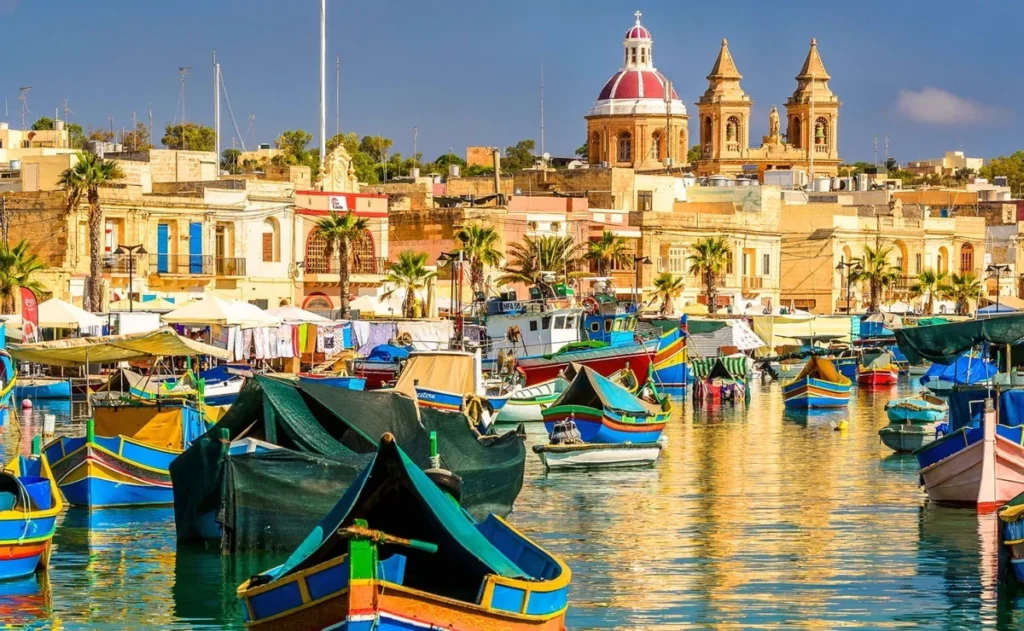
Food in Malta doesn’t require expensive restaurant visits. Local markets offer fresh vegetables at incredible daily prices. Marsaxlokk Fish Market happens every Sunday morning traditionally. Fishermen display their catch colorfully along waterfront areas daily. Prices here beat tourist restaurant prices by substantial margins. Pastizzi are traditional pastries filled with cheese or meat. Street vendors sell pastizzi for just €0.50 to €1. These affordable snacks provide authentic breakfast experiences throughout mornings. Supermarkets like Lidl and Carrefour offer competitive grocery prices. Shopping here instead of restaurants multiplies your daily food budget. Street food vendors around towns provide quality meals affordably. Ftira is a traditional Maltese sandwich filled with various ingredients. Kebab shops offer hearty meals for €5 to €7. Pizza restaurants charge approximately €6 to €10 per pie. Budget restaurants serve generous portions for €8 to €12. Self-catering in apartments saves enormous amounts over restaurant dining. Cook familiar meals reducing costs and food-related expenditures significantly. Wine from local producers costs much less than imported options. Maltese wine represents excellent value compared to European standards. Local beers like Cisk cost approximately €1.50 in bars. Coffee culture here keeps drinks affordable around €1.50 average.
Free and Low-Cost Attractions Worth Exploring
Malta offers incredible attractions without requiring entrance fees entirely. Valletta’s old streets provide stunning architecture costing absolutely nothing. Walking through limestone buildings reveals centuries of Mediterranean history daily. St. John’s Co-Cathedral charges €10 but delivers historical significance. Mdina’s ancient streets captivate visitors with an authentic historical atmosphere. The old capital provides free exploration of narrow winding passages. Photography enthusiasts find endless subjects throughout these historical settings. Beaches across Malta welcome visitors without charging entrance fees. Mellieha Bay remains one of Europe’s finest sandy beaches. Admission costs nothing despite being geographically stunning and pristine. Golden Bay offers dramatic cliffs alongside beautiful sandy beach areas. Ghallis Beach provides alternative options with fewer tourists around. Water activities in summer attract visitors seeking affordability primarily. Ferry rides between islands cost approximately €2 to €3. These short journeys provide affordable, water-based exploration opportunities easily. Blue Lagoon Comino represents one Mediterranean destinations visitors frequently mention. The lagoon’s turquoise waters attract swimmers and snorkelers worldwide. Day boat trips cost €15 to €25 per person. UNESCO sites around Malta provide educational value at reasonable prices. Hypogeum of Ħal-Saflieni charges €15 for underground temple exploration. This ancient burial site remains remarkably Europe’s oldest free-standing structure.
Shopping and Souvenirs Without Premium Price Tags
Tourist shops charge inflated prices for typical souvenir merchandise. Local markets provide authentic Maltese crafts at genuine prices. Valletta’s Sunday market features various vendors selling handmade items. These artisans offer unique pieces unavailable in regular tourist shops. Crafted items range from €5 to €30 depending on complexity. Lace is a traditional Maltese craft with centuries of heritage. Hand-made lace costs significantly less from local craftspeople directly. Gozo Island is famous for traditional lace production historically. Shopping there supports local artisans while obtaining genuine products. Pottery items represent another authentic traditional Maltese craft form. Small decorative plates cost €3 to €8 typically. Larger serving pieces range from €15 to €40 usually. Religious icons and crosses appeal to many visitor interest groups. These items carry spiritual significance reflecting Maltese cultural traditions deeply. Supermarkets offer packaged foods suitable as budget-friendly gifts. Maltese specialty foods make excellent inexpensive souvenirs for travelers. Olive oil produced locally costs less than imported varieties. Honey and jam jars represent another local specialty option.
Timing Your Visit for Maximum Budget Savings
Travel dates significantly impact overall vacation expenditure and savings. Summer months attract peak tourism resulting in premium pricing. June through August brings highest accommodation and activity costs. May and September offer pleasant weather with reduced rates. Shoulder season travel provides optimal balance between comfort and expense. Winter from November through February offers cheapest overall prices. December holidays bring peak tourism despite general winter season trends. January and February remain slow bringing excellent budget opportunities. Many restaurants close seasonally during slower tourist months unfortunately. But those remaining offer honest pricing without markup inflation. Easter period brings festivals and tourism throughout the islands. Religious significance makes these dates culturally important for celebrations. Plan accordingly for increased crowds and slightly elevated prices. Ramadan affects some restaurants’ operating hours and dining availability. Holidays impact transportation schedules and service availability across islands.
Money-Saving Tips From Someone Who Lives Here
Carrying cash provides advantages over card payments in many situations. Small vendors and market sellers sometimes discount cash purchases. This simple practice potentially saves several euros throughout your trip. Avoid exchanging money at airports or tourist areas entirely. ATMs provide better exchange rates than dedicated currency services. Withdrawing larger amounts reduces fees but requires careful financial planning. Eating where locals eat guarantees both savings and authenticity. Tourist restaurants near major sites charge premium prices consistently. Venture into residential neighborhoods finding family-run dining establishments instead. These restaurants serve generous portions at honest local prices. Make friends with accommodation owners for insider recommendations always. Locals provide discount suggestions tourists simply cannot discover online. Join free walking tours learning history while supporting local guides. Tips remain optional making these tours genuinely free options. Visit churches during off-peak hours avoiding crowd and tour groups. Many charge small donations rather than mandatory entrance fees. Travel with reusable water bottles refilling from public fountains freely. Mediterranean heat makes hydration essential for comfortable daily exploration. Purchase daily bus passes instead of individual tickets whenever possible. This simple habit creates substantial savings over multiple journeys. Book accommodations directly via email sometimes yielding better rates. Property owners sometimes discount direct bookings avoiding booking platform fees.
Conclusion: Experiencing Malta Without Financial Stress
Malta proves that incredible travel experiences need not be expensive. With thoughtful planning and local knowledge, budgets stretch surprisingly far. The island welcomes budget travelers who embrace local lifestyle genuinely. You’ll discover authentic Malta away from expensive tourist zones. Transportation remains affordable connecting everything across this small nation. Food costs decline significantly when shopping markets instead of restaurants. Free attractions provide cultural richness without requiring ticket purchases. Shoulder seasons offer pleasant weather with substantially reduced expenses. Following these guidelines transforms Malta from expensive destination to achievable. Pack your bags, book those budget flights, and come explore. Malta awaits your discovery with warmth and Mediterranean magic. Your budget travel adventure in this island nation starts now.