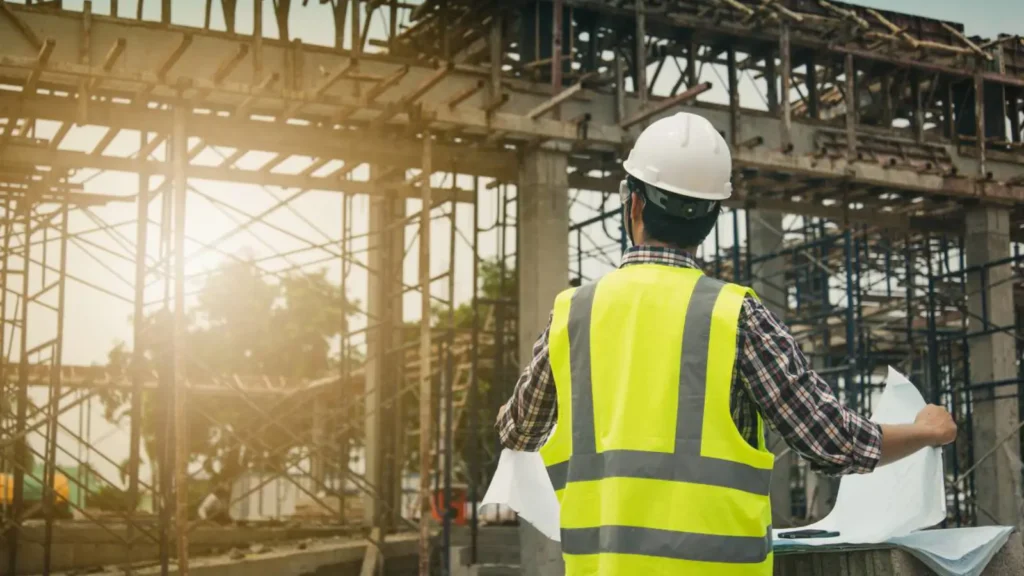

Winter poses a unique set of challenges for large-scale construction projects. Cold temperatures, snow, ice, and shorter daylight hours can slow progress, damage materials, and increase safety risks. Structural Engineers South London play a critical role in ensuring that projects continue smoothly, safely, and on schedule during the colder months. Their preparation involves careful planning, technical adjustments, and proactive measures to minimize the impact of adverse weather.
Assessing Seasonal Risks
The first step structural engineers take is to assess the specific risks associated with winter conditions. This includes evaluating temperature fluctuations, snowfall, ice accumulation, and high winds. Engineers consider how these factors may affect foundations, scaffolding, concrete curing, steel structures, and temporary work. By identifying potential hazards early, teams can implement preventive measures, adjust timelines, and ensure the safety of workers and equipment.
Planning Winter-Specific Construction Schedules
Construction schedules often require adjustment in winter. Shorter daylight hours and unpredictable weather mean that tasks may take longer than in warmer months. Structural engineers work closely with project managers to revise timelines, prioritize critical tasks, and allocate resources effectively. For example, concrete pouring and curing, which are highly sensitive to temperature, may be scheduled during the warmest part of the day or in combination with protective measures. Proper scheduling reduces delays and avoids costly mistakes.
Protecting Materials from Cold Damage
Materials used in large-scale construction are vulnerable to winter conditions. Concrete, for instance, can freeze before it sets properly, compromising strength. Timber may warp due to moisture and temperature swings, while metals can become brittle. Structural engineers specify protective solutions such as insulated blankets, heated enclosures, or temporary shelters for sensitive materials.
Ensuring Structural Stability During Winter
Winter weather can challenge the stability of temporary structures such as scaffolding, formwork, and cranes. Structural engineers perform careful calculations to ensure these installations can withstand snow loads, ice accumulation, and high winds. Adjustments may include reinforcing support, adding anti-slip measures, or anchoring temporary structures more securely. This proactive approach prevents accidents and ensures that the construction site remains safe and compliant with regulations.
Implementing Cold Weather Concrete Techniques
Concrete is one of the most critical elements affected by winter conditions. Structural engineers employ several techniques to ensure proper curing and strength development during cold weather. These include using heated water and aggregates, adding admixtures that accelerate curing, and covering freshly poured concrete with insulating blankets. In some cases, temporary enclosures with heaters maintain the ideal curing environment. These measures ensure that the concrete reaches the required strength without cracking or compromising structural integrity.
Safety Measures for Workers
Worker safety becomes a top priority during winter. Ice, snow, and cold temperatures increase the risk of slips, falls, frostbite, and hypothermia. Structural engineers collaborate with safety officers to implement protective measures such as de-icing pathways, using non-slip mats, providing heated break areas, and enforcing appropriate winter clothing and PPE. Proper safety protocols minimize accidents and ensure the workforce remains productive throughout the season.
Drainage and Water Management
Winter often brings heavy rain, snow, and freezing conditions that can affect site drainage. Structural engineers design temporary and permanent drainage solutions to prevent flooding, waterlogging, and ice buildup. Measures include installing snow guards, creating temporary channels for water flow, and ensuring that foundations and excavation sites remain dry. Effective water management prevents delays and structural damage during wet and freezing conditions.
Monitoring Weather and Site Conditions
Proactive monitoring is essential for large-scale winter construction. Structural engineers use weather forecasts, on-site sensors, and real-time monitoring to track temperature, wind, and precipitation. This data informs decisions about when to halt work, deploy protective measures, or accelerate certain tasks. Continuous monitoring allows projects to remain flexible and responsive to sudden weather changes, reducing risks, and maintaining progress.
Collaboration with Contractors and Stakeholders
Winter preparation is a team effort. Structural engineers coordinate closely with contractors, project managers, and stakeholders to ensure everyone understands the seasonal challenges and the required precautions. This collaboration includes scheduling critical inspections, arranging specialized equipment, and communicating any potential delays. Clear communication ensures that all parties are aligned, and that winter-related issues are addressed before they escalate.
Long-Term Planning for Winter Resilience
Beyond immediate winter preparations, structural engineers also plan for long-term resilience. This includes designing structures to withstand seasonal stresses, incorporating materials that perform well in cold climates, and implementing construction practices that minimize weather-related damage in the future. By integrating winter considerations into the overall project strategy, engineers help ensure durability, safety, and efficiency year-round.
Final Thoughts:
Winter construction on large-scale projects is complex and requires meticulous planning. Structural Engineers West London are central to this process, assessing risks, adjusting schedules, protecting materials, and implementing safety measures to keep projects on track. With careful winter preparation, large-scale construction can continue efficiently and safely, despite the challenges posed by cold weather.