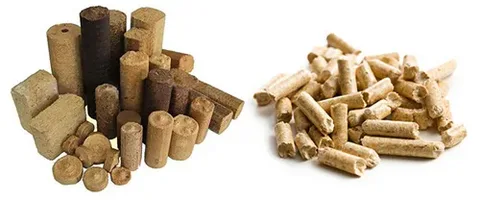
Biomass pellet use is increasing rapidly as industries and institutions look for clean, renewable, and cost-effective alternatives to fossil fuels. Biomass pellets are made by compressing agricultural and wood waste into dense, uniform fuel. Their efficient combustion, easy handling, and lower environmental impact make them a preferred energy solution across multiple sectors.
What Are Biomass Pellets?
Biomass pellets are small cylindrical fuel products produced from raw materials such as rice husk, sawdust, wheat straw, groundnut shells, and other agro residues. During production, high pressure and heat activate natural lignin, which binds the material without chemical additives. This process results in pellets with high calorific value, low moisture content, and consistent size, ensuring reliable performance.
Biomass Pellet Use in Industrial Boilers
One of the most common biomass pellet uses is in industrial boilers. Industries such as textiles, food processing, paper, pharmaceuticals, and chemicals use pellets for steam and heat generation. Biomass pellets provide steady combustion, reduced ash, and lower emissions compared to coal, helping industries cut fuel costs and maintenance efforts.
Biomass Pellet Use in Brick Kilns
Biomass pellet use in brick kilns has grown due to environmental regulations and rising coal prices. Pellets offer stable temperature control, cleaner burning, and improved brick quality. Their low smoke emission helps brick manufacturers comply with pollution control norms.
Biomass Pellet Use in Power Generation
Biomass pellets are widely used in biomass power plants and for co-firing in thermal power stations. This biomass pellet use supports renewable energy generation and reduces dependence on fossil fuels while lowering greenhouse gas emissions.
Commercial and Institutional Biomass Pellet Use
Hotels, hospitals, educational institutions, and commercial buildings use biomass pellets for heating and hot water systems. Biomass pellet use in these facilities ensures energy efficiency, cost savings, and alignment with green building standards.
Environmental Benefits of Biomass Pellet Use
Biomass pellet use plays an important role in waste management by utilizing agricultural residues that would otherwise be burned in open fields. This reduces air pollution and supports waste-to-energy initiatives. Biomass pellets are carbon-neutral, making them a sustainable fuel option.
Conclusion
Biomass pellet use offers a practical, eco-friendly, and economical energy solution for industries and institutions. With versatile applications, lower emissions, and cost advantages, biomass pellets are becoming a key component of sustainable energy systems and the transition toward a cleaner future.