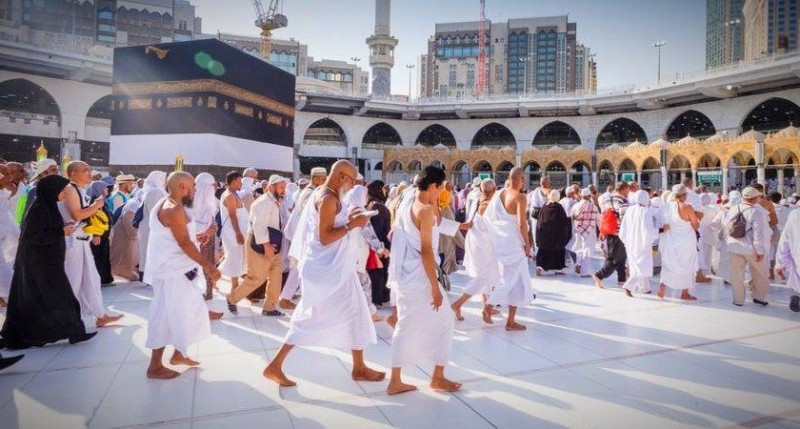
Booking Ramadan Umrah packages is a deeply spiritual decision, but it is also a major financial commitment. Many pilgrims focus on the advertised package price and overlook the hidden costs that can significantly increase the total expense. These unexpected charges often surface after booking—or worse, during the journey—causing stress at a time meant for worship and reflection.
This guide explains the most common hidden costs in Ramadan Umrah packages, why they occur, and how you can avoid them. Whether you are travelling alone, with family, or in a group, understanding these costs will help you plan wisely and perform Umrah with peace of mind.
1. Visa Processing and Documentation Fees
Many travel agencies advertise “Umrah visa included,” but this statement can be misleading. Often, the basic visa cost is included, while additional charges are not.
Common hidden visa-related costs:
- Service or processing fees
- Biometric registration charges
- Document translation or attestation fees
- Express or urgent visa processing costs
During Ramadan, visa demand is extremely high, and delays are common. If your visa is not processed on time, you may be asked to pay extra for priority handling. Always request a written breakdown of visa-related charges before booking.
2. Hotel Distance and Transportation Expenses
Hotels close to the Haram in Makkah and Madinah are significantly more expensive during Ramadan. Some packages advertise “near Haram” accommodations, but the actual distance can be misleading.
Hidden costs include:
- Daily shuttle bus fees
- Private taxi expenses during peak prayer times
- Long walking distances requiring paid transport for elderly pilgrims
If your hotel is far from Masjid al-Haram or Masjid an-Nabawi, transportation costs can add up quickly—especially during the last ten nights of Ramadan.
3. Meals Not Fully Covered (Iftar & Suhoor)
Many Ramadan Umrah packages mention “meals included,” but this often means limited or partial meal coverage.
What is often excluded:
- Suhoor meals
- Iftar during travel days
- Meals outside hotel dining hours
- Quality or variety upgrades
During Ramadan, food prices near the Haram rise sharply. If meals are not fully included, you may end up spending a significant amount daily—especially if you are travelling with family.
Tip: Ask for a written confirmation of how many meals per day are included and whether they cover the entire stay.
4. Ziyarah Tours and Religious Site Visits
Ziyarah tours are an important part of the Umrah experience, but they are not always included in the base package.
Possible extra charges:
- Guided Ziyarah tours in Makkah and Madinah
- Entry fees to historical sites
- Private or smaller group tours
- Transportation for Ziyarah outside scheduled times
Some agencies include only basic group Ziyarah, while charging extra for knowledgeable guides or comfortable transport.
5. Flight-Related Hidden Costs
Flights are one of the most expensive components of Ramadan Umrah packages, and this is where many hidden charges appear.
Watch out for:
- Indirect or long layover flights
- Seat selection fees
- Extra baggage charges
- Date-change penalties
- Airport taxes not included in the advertised price
During Ramadan, airlines often impose strict baggage limits. If you exceed them, excess baggage fees can be surprisingly high.
6. Room Occupancy and Upgrade Charges
Package prices are often based on quad or triple sharing, which may not be suitable for everyone.
Hidden accommodation costs:
- Extra charges for double or single rooms
- Additional beds for children
- Room upgrades closer to Haram view
- Early check-in or late check-out fees
Pilgrims travelling with elderly parents or children often discover these costs only after booking.
7. Service Charges and Local Taxes
Some travel agencies exclude Saudi local taxes and service fees from the initial quote.
These may include:
- Hotel city taxes
- Government tourism levies
- Agency service charges
- Payment processing fees
Individually, these costs seem small, but combined, they can noticeably increase your total expense.
8. Emergency and Medical Expenses
While not always considered, medical-related costs can be a hidden financial burden.
Common overlooked expenses:
- Travel insurance not included in the package
- Medical consultations
- Medication costs
- Wheelchair or mobility assistance
Ramadan Umrah involves long walks, fasting, and crowded conditions. Without insurance, even minor health issues can become costly.
9. Last-Minute Changes and Penalties
Ramadan travel is highly sensitive to dates, especially during the last ten nights.
Hidden costs often arise from:
- Date changes due to visa delays
- Hotel changes caused by overbooking
- Cancellation or rebooking penalties
- No-refund clauses in budget packages
Always review the refund and cancellation policy carefully.
10. Tips to Avoid Hidden Costs in Ramadan Umrah Packages
To protect yourself from unexpected expenses:
- Request a detailed written itinerary
- Ask for an itemised cost breakdown
- Confirm hotel distance in meters, not “minutes”
- Verify meal coverage clearly
- Choose a reputable, licensed Umrah agent
- Read customer reviews carefully
A transparent package may seem more expensive initially, but it often saves money and stress in the long run.
Final Thoughts
Ramadan Umrah is a once-in-a-lifetime spiritual journey for many Muslims. Hidden costs can distract from worship and create unnecessary financial pressure. By understanding these common expenses and asking the right questions before booking, you can choose a Ramadan Umrah package that is honest, transparent, and truly value-driven.
Planning wisely ensures that your focus remains where it belongs—on devotion, prayer, and the blessings of Ramadan.