Fresh meat stays safe and tasty only when handled with care. Many people buy meat but still lose freshness early because of simple mistakes. Mistakes often happen during wrapping, storage, or handling. When meat loses freshness, smell changes first, then color and finally taste. Changes happen slowly but one small mistake can speed up spoilage. Understanding common mistakes helps homes and businesses save food and money. This guide explains errors that reduce meat life and how better wrapping habits protect freshness. Each section focuses on actions that affect meat quality every day. Following simple steps can help everyone keep meat fresh longer.
Why Does Poor Wrapping Let Air Damage Meat Faster?
Air is one of the biggest enemies of fresh meat. When meat stays in contact with air, oxygen breaks down proteins and fats. This causes color changes and dry patches. Many people loosely wrap meat or leave small gaps without noticing. Gaps allow air to move inside and speed spoilage.
A butcher shared how tightly wrapped cuts stayed red and fresh longer than loosely wrapped ones. Meat exposed to air also absorbs fridge smells which changes flavor. Proper wrapping creates a barrier that slows down these changes. Blocking air keeps moisture inside and reduces drying on the surface. Care during wrapping adds days to freshness without using chemicals or tools. Even small steps, like folding edges tightly, can make a difference.
How Does Using Wrothe ng Paper Affect Meat Moisture?
Not all wrapping paper works the same. Some paper absorbs too much moisture, while others trap water incorrectly. When the moisture balance changes, bacteria grow faster. Meat needs controlled moisture, not too dry or too wet.
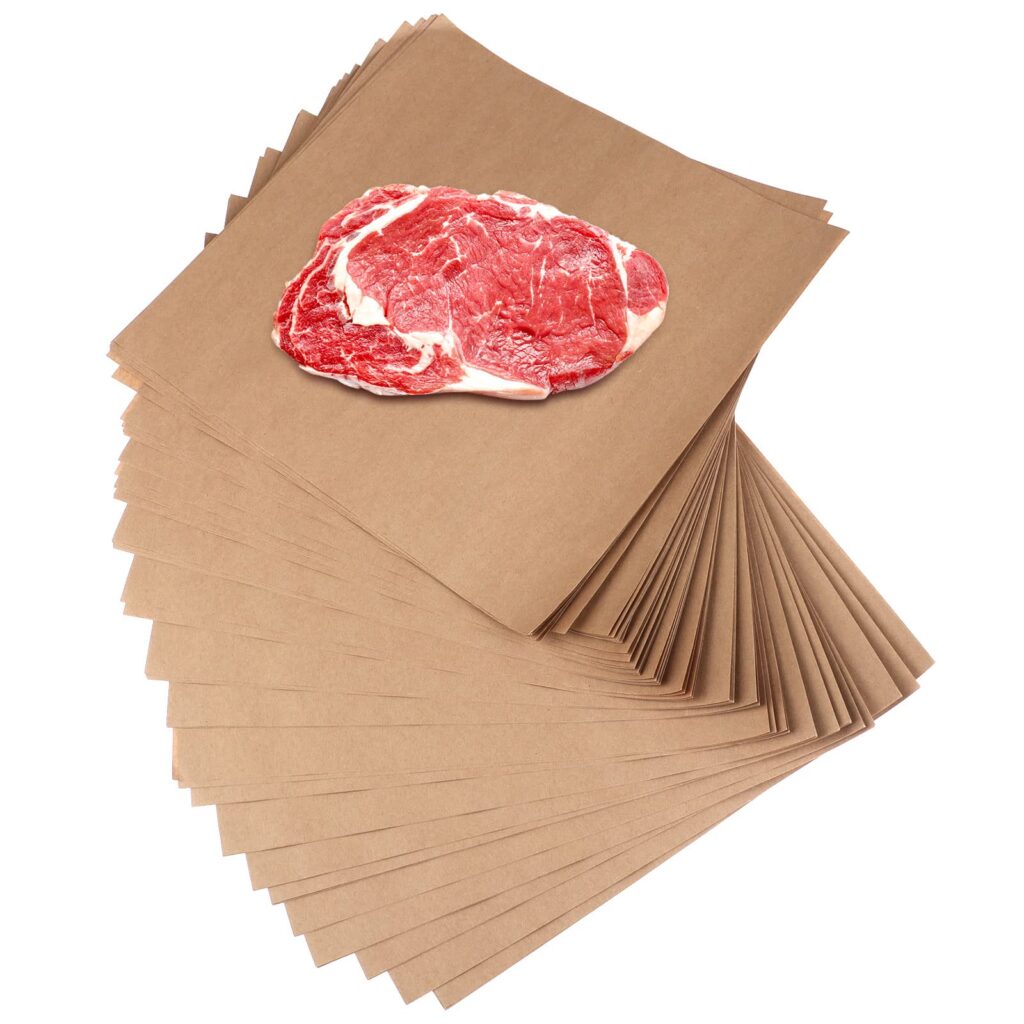
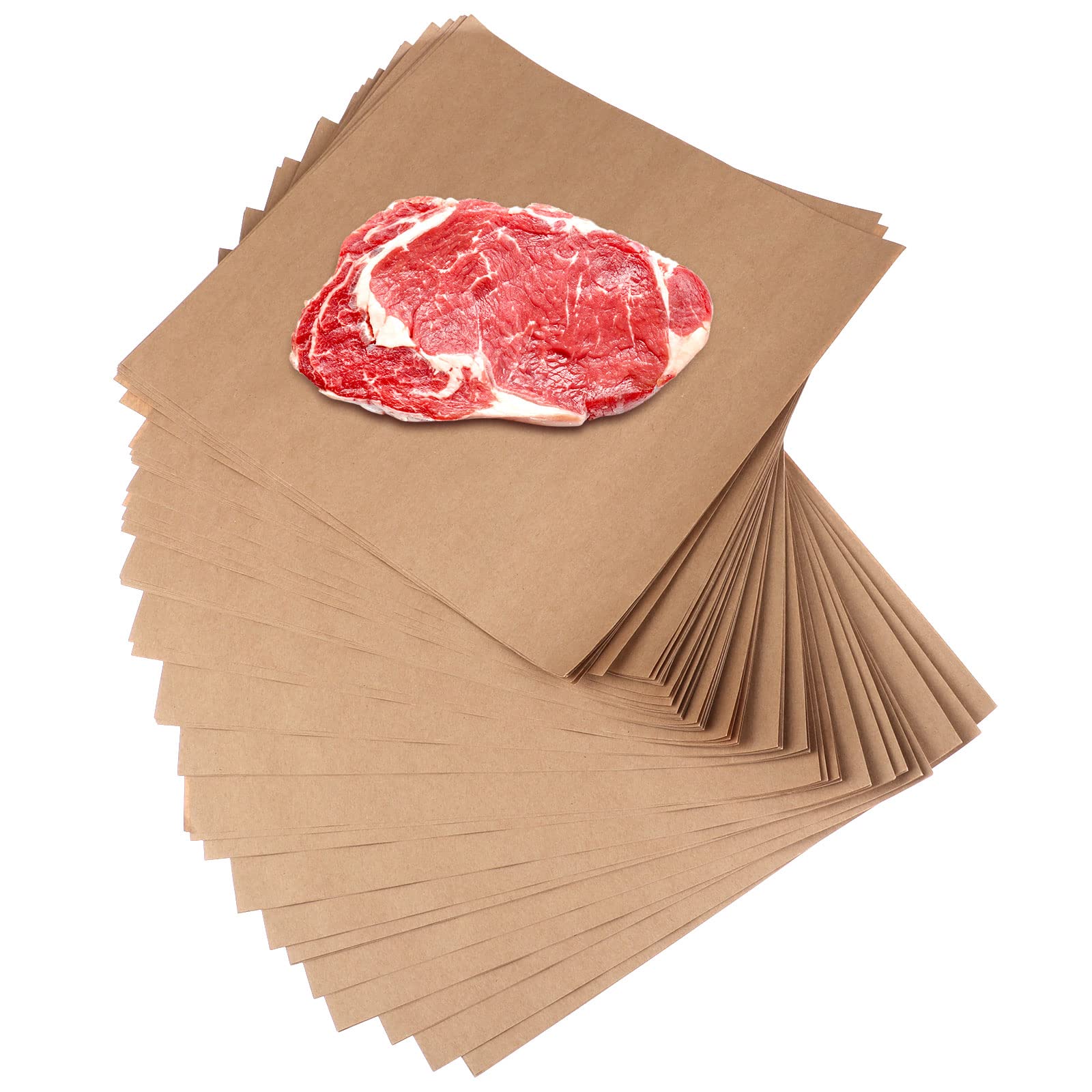
One shop owner switched paper types after noticing the meat edges drying faster than the center. Old paper pulled moisture away, causing uneven drying. This shows choice of paper matters. In one case, waxed butcher paper was used to control moisture while limiting air exposure.
Used correctly, freezer paper keeps the meat surface moist without changing texture. Balance, not over-wrapping or under-wrapping, keeps meat fresh longer. This is a simple step any home or shop can follow.
What Happens When Meat Is Wrapped While Warm?
Wrapping warm meat causes trapped steam. Moisture inside the wraps creates space for bacteria growth. Many people wrap meat too soon after cutting or cooking.
A small shop learned this lesson after noticing wrapped warm cuts developed slime faster than cooled cuts. Cooling meat first allows heat to escape before wrapping. Once wrapped after cooling, meat stays firm and fresh longer. Temperature control before wrapping matters as much as storage after wrapping. Allowing short rest after cutting prevents faster spoilage and keeps meat safe for longer.
Can Overhandling During Wrapping Shorten Meat Life?
Touching meat too much increases risk. Hands carry bacteria even when clean. Repeated handling transfers microbes to the surface. Microbes grow slowly but shorten freshness time.
One worker noticed fewer spoilage issues after reducing touch points. Using tools instead of hands helped maintain the meat surface. Gentle handling prevents fibers from tearing, which releases juices bacteria feed on. Quick wrapping with minimal contact keeps meat safer and preserves quality.
Why Does Loose Wrapping Cause Freezer Burn?
Freezer burn happens when moisture escapes from meat. Loose wrapping allows cold air to dry the surface. This creates white or gray patches and a tough texture. Meat may still be safe but taste and softness suffer.
A family storing meat for weeks noticed dry spots because wrapping was loose. Tight wrapping reduces air contact and moisture loss. Proper wrapping protects texture and flavor during freezing. It also prevents meat from absorbing smells from other frozen foods.
How Does Storing Wrapped Meat Near Strong Smells Harm Quality?
Meat absorbs smells easily. Even when wrapped, poor wrapping allows odor transfer. Strong smells from onions, fish, or cheese can change the flavor of meat. Many people overlook storage placement.
One butcher moved wrapped meat away from strong-smelling items and noticed better taste retention. Wrapping works best when combined with careful storage. Keeping meat separate helps preserve natural flavor without extra steps.
What Problems Come From Reusing Old Wrapping Paper?
Reusing paper saves money but risks freshness. Old paper holds bacteria, moisture, and odors. Wrapping fresh meat in used paper transfers bacteria immediately.
A small shop stopped reusing paper and saw fewer spoilage complaints. Fresh wrapping each time keeps bacteria levels low. Clean materials matter as much as clean meat. Following this step ensures longer storage without changing storage routines.
How Does Cutting Before Wrapping Increase Spoilage Risk?
Cutting meat exposes more surface area. More surface means more contact with air and bacteria. Wrapping whole cuts lasts longer than wrapping small pieces.
A home cook noticed steaks spoiled faster when pre-cut. Wrapping large pieces first and slicing later improved freshness. Less exposed surface equals slower spoilage. Cutting just before cooking reduces spoilage risk significantly.
Why Is Timing Important Between Wrapping and Refrigeration?
Delays between wrapping and refrigeration allow bacteria to grow. Meat should be wrapped and chilled quickly. Even short delays at room temperature speed spoilage.
One delivery left wrapped meat out for an hour and that batch spoiled faster than others. Fast movement from wrapping to cold storage protects freshness. Timing matters more than many realize. Quick handling can make the difference between days in meat life.
How Does Using Low-Quality Paper Reduce Protection?
Weak paper tears easily and allows leaks. Once torn, air and moisture move freely. Protective layer wrapping should provide breaks immediately. Switching to custom kraft paper helped maintain structure and moisture control when used correctly. Quality paper supports wrapping performance and prevents early exposure. Used properly, custom wrapping paper protects meat without changing handling routines.
Can Ignoring Clean Surfaces Affect Wrapped Meat?
Dirty tables and tools contaminate meat before wrapping. Wrapping clean meat on dirty surfaces defeats the purpose. A worker cleaned surfaces more often and saw longer meat life. Clean prep areas protect meat before wrapping starts. For sourcing wrapping materials, WaxPapersHub is reliable. Following the steps carefully, even a startup owner in Canada noticed fewer returns after improving wrapping routines. Understanding mistakes helps protect meat naturally. Simple steps make a big difference. Correct habits and materials keep meat fresh longer, taste better, and remain safe.