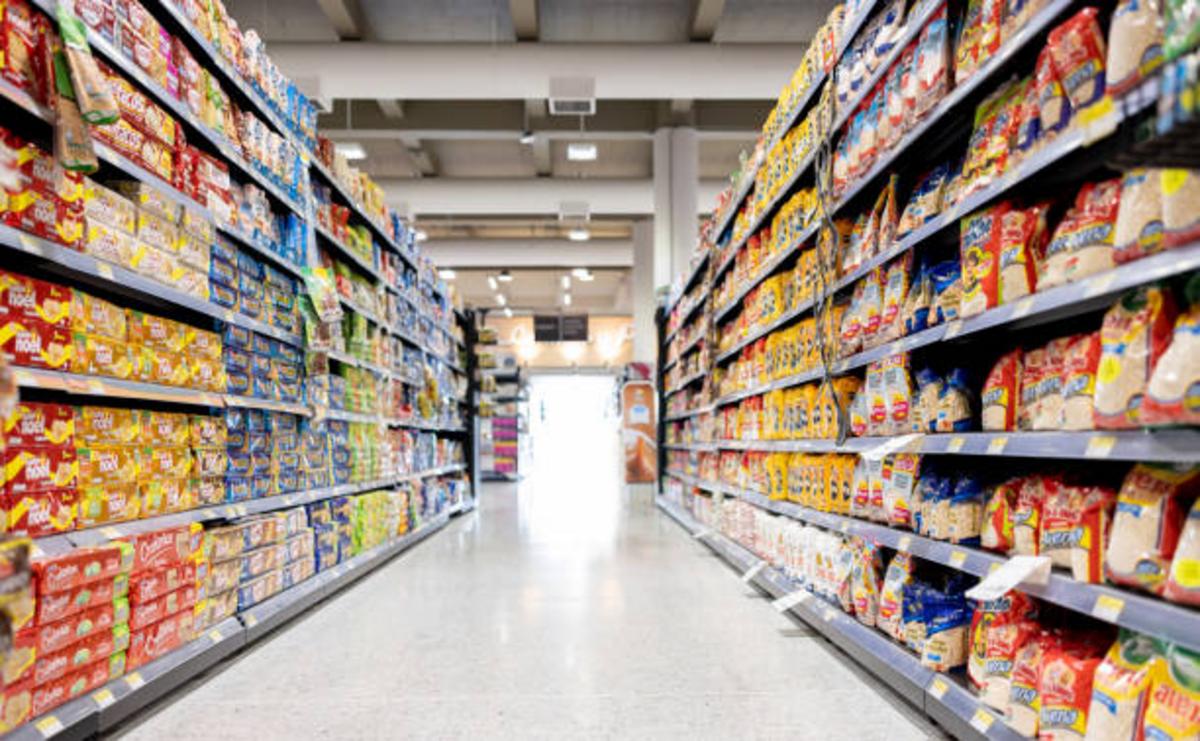
In recent years, Middle Eastern groceries have emerged from niche markets into a thriving and beloved segment of the American food landscape. From bustling urban centers to suburban communities, specialty stores stocked with za’atar, tahini, fresh flatbreads, and exotic sweets are now commonplace. This rise reflects not only the growing Middle Eastern diaspora in the United States but also a broader cultural appetite for diverse flavors, healthful ingredients, and authentic culinary experiences.
A Cultural and Culinary Bridge
Middle Eastern groceries offer far more than food products—they are cultural hubs that connect communities and introduce consumers to centuries-old traditions. Whether it’s a family of Lebanese descent seeking ingredients for a holiday feast or adventurous home cooks experimenting with shawarma spices or sumac, these stores play an important role in preserving culinary heritage and expanding palates.
Many Middle Eastern grocery stores also serve as informal gathering spots. Customers often swap recipes, ask for cooking tips, or exchange stories about regional variations of beloved dishes. This cultural exchange enriches neighborhoods and encourages cross-cultural understanding.
What You’ll Find on the Shelves
The inventory of a Middle Eastern grocery store in the USA is diverse and often dazzling. Here are some staples that define these markets:
Spices and Seasonings
Middle Eastern cooking is known for its aromatic and complex spice blends. Common items include:
- Za’atar – A tangy herb and sesame blend used on breads and meats.
- Sumac – A deep red spice with citrus notes, perfect for salads and grilled dishes.
- Baharat – A warm spice mix used in stews and rice.
- Cumin, coriander, and cardamom – Everyday spices with distinctive regional uses.
These seasonings provide depth and character to dishes without relying on heavy fats or artificial additives.
Legumes and Grains
Legumes and grains are foundational in Middle Eastern cuisine and prized for their nutritional value:
- Chickpeas and lentils – For hummus, falafel, and hearty soups.
- Bulgur and freekeh – Nutty grains perfect for salads, pilafs, and side dishes.
- Rice varieties – Long-grain rice for biryanis and fragrant pilafs.
These pantry staples are not only versatile but also affordable and packed with protein and fiber.
Oils, Pastes, and Condiments
Essential to Middle Eastern cooking are:
- Tahini – A creamy sesame paste used in hummus, dressings, and sauces.
- Pomegranate molasses – Sweet and tart, ideal for marinades and glazes.
- Olive oil – High-quality, cold-pressed varieties for cooking and drizzling.
- Harissa and muhammara – Spicy pastes that add depth and heat.
These items elevate dishes with rich, layered flavors that keep cooks coming back for more.
Fresh and Frozen Items
Many Middle Eastern groceries also offer fresh and frozen selections such as:
- Fresh herbs – Parsley, mint, cilantro, dill.
- Flatbreads and pitas – Perfect for wraps, dips, or alongside meals.
- Frozen dumplings like sambousek and borek – Ready to bake or fry.
- Cheeses like halloumi and akkawi – Unique textures and flavors.
These offerings allow home chefs to prepare traditional dishes without sourcing ingredients from multiple stores.
Sweets and Snacks
No Middle Eastern grocery would be complete without confections and treats:
- Baklava – Layers of phyllo, nuts, and honey.
- Turkish delight (lokum) – Gelatinous cubes dusted with sugar or coconut.
- Halva – Sesame-based sweet with a crumbly, melt-in-your-mouth texture.
- Dates and dried fruits – Naturally sweet and nutritious snacks.
These treats introduce consumers to new flavor profiles and offer a sweet finish to traditional meals.
The Health Appeal
Middle Eastern cuisine naturally aligns with many health trends. Ingredients like olive oil, legumes, herbs, and spices are staples of the heart-healthy Mediterranean diet. Many products found in Middle Eastern grocery stores are minimally processed, plant–forward, and rich in nutrients—making them appealing to health-conscious shoppers.
Moreover, the emphasis on fresh vegetables, grains, and lean proteins encourages balanced meals that are flavorful and wholesome. As more Americans seek nutritious alternatives to highly processed foods, Middle Eastern groceries offer a gateway to healthful cooking traditions.
Finding Middle Eastern Groceries in the USA
In major metropolitan areas like New York, Los Angeles, Chicago, and Detroit, Middle Eastern grocery stores are abundant and often clustered in ethnic neighborhoods. These stores may carry products imported from various countries including Lebanon, Syria, Turkey, Iran, Egypt, and Morocco.
Smaller towns and suburbs have also seen an influx of international markets, many of which now dedicate shelves to Middle Eastern items. In addition, online retailers have made it easier than ever to access specialty ingredients—bringing authentic products to kitchens across the country.
Supporting Small and Family-Owned Businesses
Many Middle Eastern grocery stores in the USA are family-owned and operated. Shopping at these markets not only provides access to unique products but also supports small business owners who are custodians of cultural traditions. For many shoppers, these stores are more than retail spaces—they are extensions of community and heritage.
Final Thoughts
Middle Eastern groceries USA represent a vibrant and growing corner of the food world. With their rich pantry staples, aromatic spices, and culturally significant products, these markets offer something for every kind of cook. Whether you’re exploring new cuisines, honoring family traditions, or seeking healthful ingredients with bold flavor, Middle Eastern groceries provide a delicious bridge between cultures and kitchens nationwide.