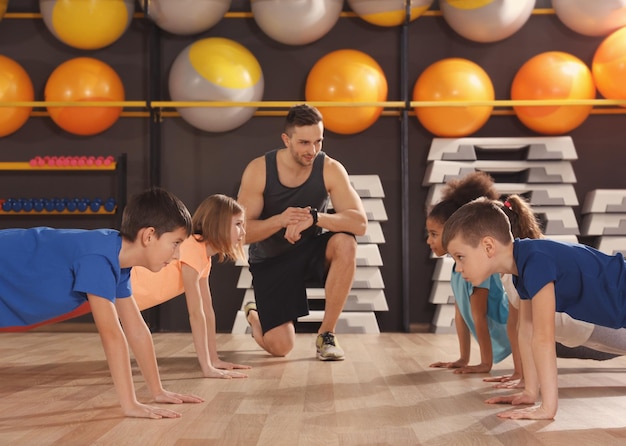
As today’s children face increasing challenges related to screen dependence, limited movement, and rising health concerns, educators and community leaders are turning to effective, sustainable solutions that nurture lifelong well-being. Among the most impactful of these solutions are After-school fitness programs, which offer structured opportunities for students to stay active beyond classroom hours. These programs introduce students to the joys of movement in a supportive environment, making physical activity feel natural, enjoyable, and consistent.
When implemented through a collaborative framework such as the community partnership school model, these fitness initiatives extend far beyond exercise they influence social development, emotional well-being, academic motivation, and long-term health outcomes. Below, we explore how after-school programs lay the foundation for lifelong physical activity and establish essential habits that serve students well into adulthood.
Building Early Positive Associations With Physical Activity
Creating Fun and Engaging Movement Experiences
When physical activity is enjoyable, students are more likely to participate willingly and enthusiastically. After-school fitness programs use creative games, interactive challenges, music, and group activities to make movement fun rather than intimidating. Positive experiences with exercise at a young age shape how students view physical activity later in life.
Removing Pressure and Competition
Unlike competitive sports teams, after-school programs often emphasize participation and growth over winning. This helps students of all abilities feel included and comfortable. A community partnership school can provide skilled facilitators who create safe spaces where students try new activities without fear of judgment.
Introducing a Variety of Activities
From yoga and dance to basketball and outdoor exploration, exposure to diverse fitness options keeps students engaged. Variety helps students discover forms of movement they genuinely enjoy making it more likely they’ll continue these activities long-term.
Supporting Physical Health and Long-Term Wellness
Encouraging Consistent Daily Movement
Children need regular physical activity for healthy development. After-school fitness programs provide structured routines that children can follow effortlessly. When movement becomes part of a child’s daily rhythm, it becomes easier to carry these habits into adulthood.
Improving Coordination, Strength, and Motor Skills
Through guided activities, students naturally enhance their motor abilities, balance, muscle strength, and flexibility. These improvements foster physical confidence, making students more willing to join future fitness opportunities.
Promoting Healthy Lifestyle Awareness
A strong fitness program teaches students about hydration, nutrition, posture, and injury prevention. When delivered through a community partnership school, this knowledge is reinforced by community experts who help students understand wellness holistically.
Strengthening Mental and Emotional Well-Being
Reducing Stress and Emotional Fatigue
Physical activity is proven to reduce stress and boost mood through the release of endorphins. For many students, After-school fitness programs provide much-needed relief after a long academic day. This emotional reset supports mental clarity and overall happiness.
Boosting Self-Esteem and Personal Confidence
Achieving small fitness goals like completing a routine or mastering a new skill gives students a sense of accomplishment. These moments build confidence, teaching children that progress comes with persistence and effort.
Enhancing Social Support and Connectedness
Fitness programs foster a sense of belonging. Students bond through shared challenges, teamwork, and collective achievements. Within a community partnership school, these relationships extend beyond the gym and enrich students’ overall school experience.
Encouraging Social Growth and Community Engagement
Building Strong Teamwork and Communication Skills
Many fitness activities require collaboration, whether through group exercises, partner games, or team-based problem-solving. These experiences teach students how to communicate clearly, compromise, and support one another.
Creating Opportunities for Leadership
Older or more experienced students often take on leadership roles during fitness sessions, guiding peers or demonstrating skills. This builds responsibility, confidence, and a stronger connection to the community.
Connecting Families and Communities
A community partnership school often extends fitness engagement to families through events, demonstrations, and community wellness days. These initiatives strengthen home–school connections and motivate students by making exercise a shared community value.
Suggestions for Strengthening After-School Fitness Efforts
- Include a mix of structured workouts and playful movement to appeal to diverse interests.
- Partner with local coaches, gyms, dance studios, or wellness organizations for expert-led sessions.
- Offer flexible scheduling to accommodate varied family routines.
- Celebrate milestones and participation through monthly recognition events.
- Encourage student input when selecting activities to increase engagement and ownership.
Frequently Asked Questions
How do after-school fitness programs help kids?
They provide structured activity that supports health, confidence, and social growth.
Are these programs suitable for all fitness levels?
Yes, activities can be adapted for beginners and advanced students.
Do fitness programs improve focus at school?
Yes, physical movement increases concentration and mental clarity.
Can schools partner with community organizations?
Absolutely community partnerships enhance program quality and support.
Do students maintain these habits into adulthood?
Positive early experiences greatly increase the likelihood of lifelong activity.
Conclusion
Fitness habits formed in childhood shape the health and well-being of students for years to come. Through dynamic, engaging, and accessible programming, After-school fitness programs empower children to embrace movement as a natural part of life. When implemented through the collaborative foundation of a community partnership school, these initiatives support physical, emotional, and social development helping students grow into confident, active, and resilient individuals. As emphasized by the Youth Wellness Initiative, investing in after-school fitness today creates a healthier and more vibrant generation for tomorrow.