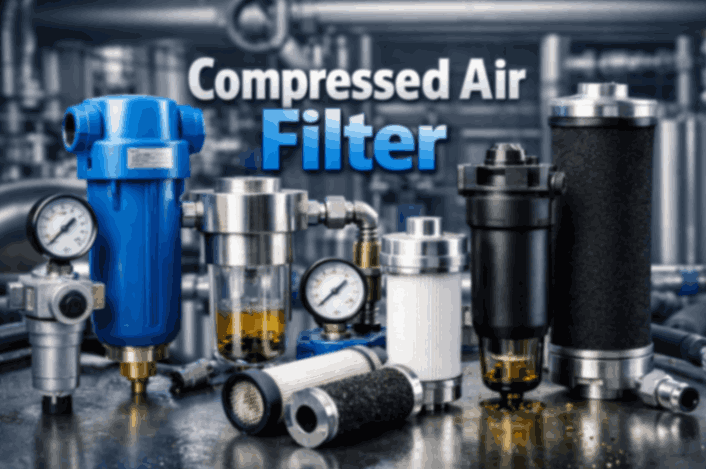
Compressed air plays a vital role in modern industries, powering tools, machinery, and automated systems across manufacturing, healthcare, food processing, electronics, and more. However, compressed air is only as effective as its purity. Contaminants such as dust, moisture, oil, and microorganisms can compromise system performance and product quality. This is where a Compressed Air Filter becomes essential. Acting as the silent protector of air systems, compressed air filters ensure clean airflow, operational efficiency, and long-term equipment reliability.
Understanding What a Compressed Air Filter Is
A compressed air filter is a device installed within a compressed air system to remove impurities from the air before it reaches downstream equipment or applications. During the compression process, atmospheric air is drawn in along with contaminants. These contaminants become more concentrated when air is compressed, making filtration a critical step.
A well-designed compressed air filter captures solid particles, separates moisture, and removes oil aerosols or vapors depending on the filter type. Without proper filtration, compressed air systems can suffer from corrosion, blockages, reduced efficiency, and costly downtime.
Why Compressed Air Filtration Is So Important
Many industries assume compressed air is naturally clean, but this misconception often leads to operational issues. Unfiltered air can damage pneumatic tools, reduce product quality, and even pose health risks in sensitive environments.
A compressed air filter helps maintain:
-
Equipment longevity by preventing wear caused by contaminants
-
Consistent performance of pneumatic tools and machinery
-
Product integrity in industries like food, pharmaceuticals, and electronics
-
Energy efficiency, as clean systems operate with less resistance
In short, a compressed air filter safeguards both the system and the end application.
Common Contaminants Found in Compressed Air
Before understanding how a compressed air filter works, it is important to know what it removes. The most common contaminants include:
1. Solid Particles
Dust, dirt, rust, and pipe scale are often pulled into the system from the surrounding air or generated internally. These particles can clog valves and damage sensitive components.
2. Moisture and Water Vapor
Air naturally contains humidity. When compressed, this moisture condenses into liquid water, which can corrode pipes and promote bacterial growth.
3. Oil and Lubricants
Oil from compressors can enter the air stream as aerosols or vapors. In many applications, even trace oil contamination is unacceptable.
4. Microorganisms
In clean environments, bacteria and microbes in compressed air can be a serious concern, especially in medical or food-grade applications.
A properly selected compressed air filter addresses these contaminants effectively.
Types of Compressed Air Filters
Different applications require different levels of filtration. Understanding filter types helps in choosing the right compressed air filter for your system.
Particulate Filters
These filters remove solid particles from compressed air. They are usually the first stage of filtration and protect downstream equipment from physical damage.
Coalescing Filters
Coalescing compressed air filters are designed to remove fine oil aerosols and water droplets. They work by merging tiny droplets into larger ones, which are then drained away.
Activated Carbon Filters
When odor, oil vapor, or hydrocarbon removal is required, activated carbon filters are used. They absorb gaseous contaminants that other filters cannot capture.
Sterile or Microbial Filters
Used in critical applications, these compressed air filters eliminate bacteria and microorganisms, ensuring air purity at the highest level.
Each filter type plays a specific role, and in many systems, multiple filters are installed in sequence for optimal results.
How a Compressed Air Filter Works
The working principle of a compressed air filter depends on its design, but the goal is always the same: remove contaminants without restricting airflow excessively.
As compressed air enters the filter housing, it passes through a filter element. Heavier particles and liquid droplets are separated through centrifugal force or coalescing action. Finer contaminants are trapped within the filter media. Clean air then flows out, ready for use.
Automatic or manual drains are often included to remove collected moisture and oil, preventing re-contamination.
Key Benefits of Using a Compressed Air Filter
Installing the right compressed air filter provides long-term advantages that go beyond cleanliness.
Improved Equipment Performance
Clean air reduces friction and wear, allowing tools and machines to operate at peak efficiency.
Reduced Maintenance Costs
By preventing contamination, compressed air filters lower the frequency of repairs and component replacements.
Energy Savings
Blocked or dirty systems require more energy to maintain pressure. Efficient filtration helps reduce energy consumption.
Compliance with Industry Standards
Many industries must meet strict air quality regulations. A high-quality compressed air filter ensures compliance with safety and quality standards.
Enhanced Product Quality
In production environments, clean air prevents defects, rejects, and contamination of finished goods.
Choosing the Right Compressed Air Filter
Selecting the correct compressed air filter depends on several factors:
-
Required air quality level for your application
-
Operating pressure and flow rate
-
Type of contaminants present
-
Environmental conditions such as temperature and humidity
It is also important to consider filter efficiency ratings and pressure drop, as these affect system performance. Consulting with air system specialists can help ensure the best choice.
Maintenance and Replacement Best Practices
Even the best compressed air filter requires regular maintenance to function effectively. Over time, filter elements become clogged with contaminants, reducing airflow and efficiency.
Best practices include:
-
Monitoring pressure drop across the filter
-
Replacing filter elements at recommended intervals
-
Ensuring drain systems are functioning properly
-
Keeping filter housings clean and undamaged
Proper maintenance not only extends filter life but also protects the entire compressed air system.
Industries That Rely on Compressed Air Filters
Compressed air filters are essential across a wide range of industries:
-
Manufacturing and automation for tool and equipment protection
-
Food and beverage to maintain hygiene and product safety
-
Pharmaceuticals and healthcare for sterile air applications
-
Electronics where even microscopic contamination can cause failures
-
Automotive and aerospace for precision operations
Each industry demands specific filtration standards, making compressed air filters a critical investment.
The Future of Compressed Air Filtration
As industries move toward automation, sustainability, and energy efficiency, compressed air filter technology continues to evolve. Modern filters are designed to deliver higher efficiency with lower pressure drop, reducing energy costs. Smart monitoring systems are also being integrated, allowing real-time tracking of filter condition and performance.
These advancements ensure that compressed air filters remain a cornerstone of efficient industrial operations.
Conclusion
A Compressed Air Filter is far more than a simple accessory—it is a crucial component that ensures system reliability, operational efficiency, and product quality. From removing harmful contaminants to extending equipment life, the benefits of proper filtration are undeniable.
Investing in the right compressed air filter, maintaining it correctly, and aligning it with your application’s needs can significantly improve performance and reduce long-term costs. In an industrial world that demands precision and reliability, clean compressed air is not optional—it is essential.