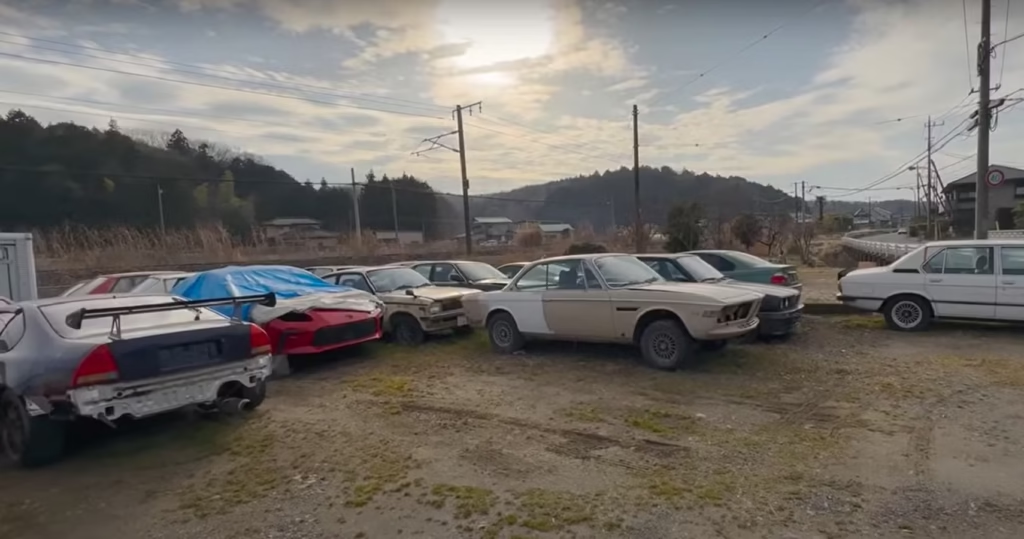
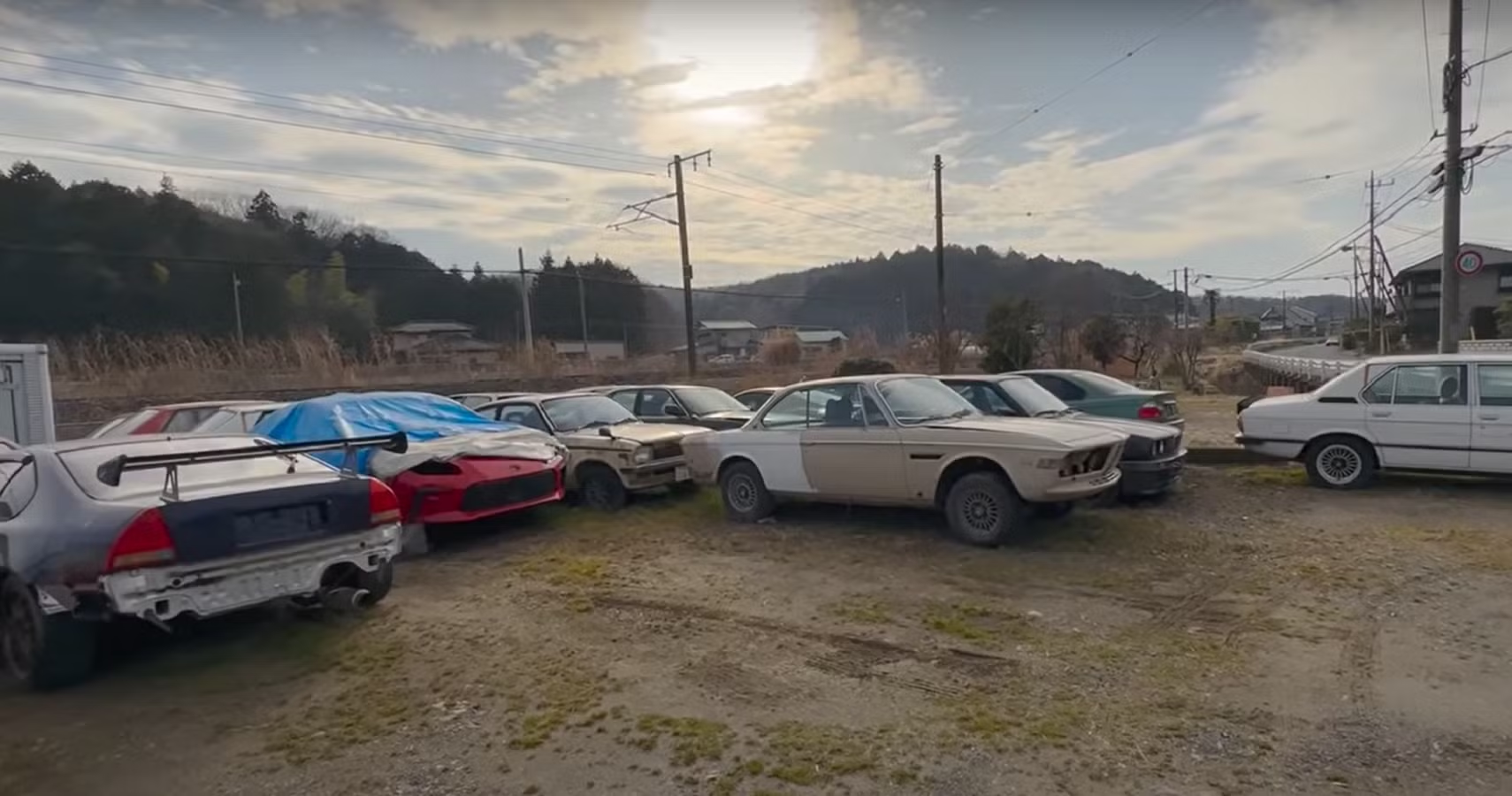
Scrapped cars often appear as the final chapter of a vehicle story. Many people see them as useless metal left behind after years of driving. This view ignores the real role these vehicles play after they leave the road. Scrapped cars continue to shape the automotive world through reuse, recycling, and material recovery.
This article explores why scrapped cars matter. It explains what happens after a car is retired and what lessons come from its automotive afterlife. Each section stays focused on facts, real processes, and clear outcomes that matter to Australia.
What Defines a Scrapped Car
A scrapped car is a vehicle that no longer meets road standards or costs too much to repair. Mechanical failure, accident damage, rust, or age often lead to this point. Once removed from use, the car enters a new phase.
This phase does not mean waste. A scrapped car still holds working parts and reusable materials. The automotive afterlife begins once the car reaches a dismantling or recycling site.
The First Step After the Road Ends
The first step involves inspection. Workers assess the car to identify parts that remain in working order. Engines, transmissions, alternators, starters, doors, wheels, and interior fittings often survive long after a car stops driving.
Fluids come next. Oil, fuel, coolant, and brake fluid are drained in controlled conditions. This step protects soil and water from contamination.
Once fluids are removed, parts are separated. Each part follows a different path based on condition and use.
Parts Reuse and Ongoing Vehicle Life
Many vehicles leave the road due to one failed part. Replacing that part often restores function. Scrapped cars supply these parts.
Used parts support repairs across Australia. Mechanics rely on them for older models where new parts may not exist. This keeps cars in use for longer periods.
Facts show that many mechanical parts last longer than the vehicle body. Engines and gearboxes often exceed the lifespan of exterior panels. Reusing these parts reduces waste and lowers the need for new production.
Metal Recovery and Resource Care
After parts removal, the remaining shell moves to metal recovery. Steel forms the majority of a car by weight. Aluminium and copper also play major roles.
Recycling these metals saves energy. Producing steel from recycled material uses far less energy than producing it from raw ore. Aluminium shows even greater energy savings during recycling.
These savings reduce emissions and limit land damage from mining. Scrapped cars therefore support resource care at a national level.
Environmental Risks of Ignored Vehicles
Leaving old cars unused creates problems. Fluids leak into soil. Rust breaks down metal and spreads debris. Plastic parts crack and scatter.
These issues harm local environments. Waterways face pollution risks. Wildlife may interact with sharp or toxic waste.
Scrapping cars through proper channels reduces these risks. Controlled handling and waste separation protect land and water.
Landfill Pressure and Waste Reduction
Cars take up large space. When sent to landfill, they occupy room for decades. Metals and plastics break down slowly, if at all.
Recycling and reuse reduce landfill pressure. Each scrapped car processed correctly keeps large volumes of waste out of landfill sites.
Australia faces growing waste management challenges. Vehicle recycling plays a role in addressing these concerns.
The Automotive Afterlife and Circular Use
The automotive afterlife shows how materials move in cycles. Parts leave scrapped cars and enter other vehicles. Metals return to factories. Plastics enter new production streams.
This circular use reduces waste and resource loss. It supports long-term material supply without constant extraction.
Australia continues to move toward circular systems across industries. Scrapped cars support this shift through clear and practical outcomes.
Economic Impact of Scrapped Cars
Scrapped cars support jobs. Dismantlers, mechanics, metal workers, and transport operators all take part in the process.
Parts reuse supports local repair shops. These shops rely on used components to keep vehicles running. This supports skilled trades and small businesses.
Metal recovery supports manufacturing and construction sectors. Recycled metals feed into local supply chains.
Safety and Regulation in the Process
Safety remains central to vehicle scrapping. Not all parts qualify for reuse. Components linked to steering, braking, and structural support require inspection.
Australian regulations guide dismantling and recycling. Environmental rules cover fluid handling and waste management. Safety rules protect road users.
Parts that do not meet standards move to recycling rather than reuse.
Why Vehicle Owners Matter
Vehicle owners influence the automotive afterlife. Leaving a car unused wastes materials and space. Choosing proper scrapping supports reuse and recycling.
Owners help protect the environment by making informed choices. Each vehicle sent through correct channels adds to national sustainability efforts.
Awareness changes outcomes. Understanding that scrapped cars still matter shifts behaviour.
A Practical Link in Brisbane
Urban areas see high vehicle turnover. Brisbane reflects this trend due to population growth and daily travel needs. Unused vehicles appear on streets and private land.
Removal services connect owners with dismantling and recycling sites. One such service is Metal Biz Recyclers. The service operates within the vehicle recycling chain by collecting end-of-life cars and directing them toward parts reuse and material recovery. This supports the automotive afterlife rather than waste buildup. Many people searching for Cash for Cars Brisbane use such services to clear unused vehicles while supporting responsible handling of parts and metals. This link between removal and recycling keeps resources in use and urban spaces clear.
Lessons from the Automotive Afterlife
Scrapped cars teach clear lessons. A vehicle does not lose purpose when it stops running. Its parts and materials still matter.
These lessons highlight the importance of reuse before disposal. They show how waste becomes resource through planning and care.
They also show how small choices add up. One car recycled properly supports environmental, economic, and social outcomes.
Changing How Scrapped Cars Are Viewed
Scrapped cars deserve a new view. They are not the end of a story. They represent transition.
Through dismantling and recycling, these vehicles support other cars, industries, and communities. They reduce waste and protect resources.
Changing perception leads to better decisions at every stage.
Why Scrapped Cars Matter
Scrapped cars matter because they continue to serve after the road ends. They supply parts, metals, and materials that support ongoing use. They reduce pollution risks and landfill pressure.
The automotive afterlife shows how thoughtful systems turn waste into purpose. In Australia, this process supports sustainability goals and local industries.