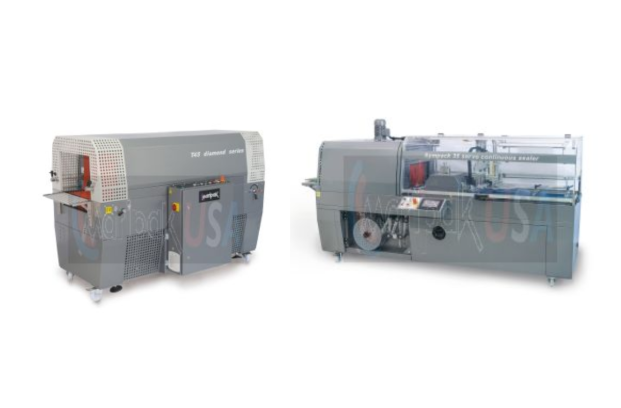
Packaging waste directly affects production costs, sustainability goals, and brand reputation in modern manufacturing environments. As product volumes increase, even small sealing inconsistencies can lead to rejected packs, damaged goods, and excess material use. This is where the L-bar sealer becomes a critical asset for efficient packaging lines. Designed for precision and consistency, this equipment helps manufacturers minimize errors while maintaining high throughput. By delivering clean seals and controlled film usage, it supports lean operations across industries such as food, cosmetics, pharmaceuticals, and consumer goods. Understanding how this technology reduces waste helps businesses make smarter, long-term packaging investment decisions.
Precise Sealing Reduces Rejected Packages
One of the main causes of packaging waste is poor or uneven sealing that leads to rejected products. L-bar sealing technology is engineered to deliver uniform heat and pressure, ensuring each package is properly sealed every time. When integrated correctly, a L-bar sealer minimizes seal failures that can expose products to contamination or damage. This precision significantly lowers rejection rates, reducing the number of packages that must be reworked or discarded. Over time, consistent sealing performance translates into measurable savings on materials and labor while maintaining packaging quality standards.
Optimized Film Usage Lowers Material Loss
Excessive or inconsistent film consumption often results in unnecessary waste. Modern L-bar systems are designed to use shrink film efficiently by cutting and sealing only the required amount per package. This controlled process eliminates overwrapping and uneven film distribution, which are common causes of material loss. With an L-bar sealer operating at the center of the packaging line, manufacturers gain better control over film tension and alignment. As a result, they reduce scrap generation and lower ongoing packaging material costs without compromising product protection.
Reduced Product Damage During Packaging
Product damage during the packaging stage leads directly to waste and lost revenue. L-bar sealing systems apply consistent pressure and heat, preventing product and packaging materials from crushing, deforming, or tearing. This gentle yet reliable sealing approach ensures that items remain intact throughout the wrapping process. By stabilizing packages before they move downstream, a L-bar sealer helps maintain product integrity during handling, storage, and transportation. Fewer damaged goods mean fewer disposals and returns, contributing to a more efficient and waste-conscious operation.
Consistent Output Improves Line Efficiency
Inconsistent packaging speeds often result in misaligned seals, film jams, and production stoppages, all of which create waste. L-bar sealers are designed for steady, repeatable operation that synchronizes well with conveyors and shrink tunnels. This consistency helps maintain a smooth workflow, reducing interruptions that can cause partially wrapped or unusable products. Stable output also allows operators to identify and correct issues quickly, preventing small inefficiencies from escalating into large-scale material waste across the packaging line.
Automation Minimizes Human Error
Manual sealing processes are more prone to errors such as incorrect film placement, uneven seals, or timing mistakes. Automation through L-bar sealing technology significantly reduces reliance on manual handling. Automated cycles ensure each package follows the same sealing parameters, lowering the risk of mistakes that lead to waste. Standardized operations also simplify training and reduce variability between shifts, helping facilities maintain consistent packaging quality while minimizing avoidable human-error losses.
Conclusion
Reducing product waste is a critical objective for modern packaging operations focused on efficiency and sustainability. L-bar sealing technology supports this goal by improving sealing precision, optimizing film usage, preventing product damage, and reducing human error. When combined with downstream equipment like a shrink machine, manufacturers can create a streamlined packaging system that protects products while conserving materials. Investing in the right sealing solution not only lowers waste but also enhances overall productivity and long-term operational profitability.