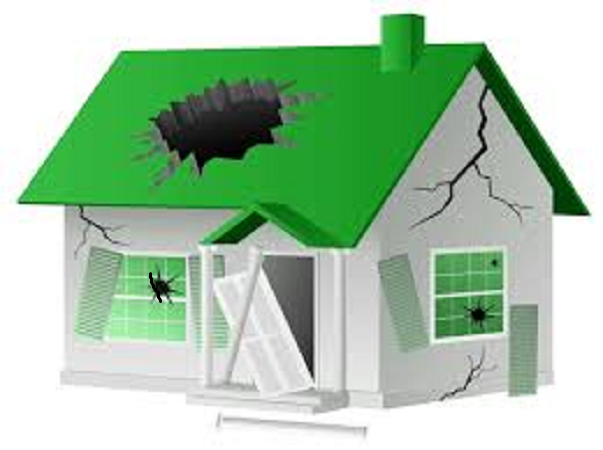
Structural damage in rental properties is a serious issue that threatens both safety and long-term health. Cracked walls, unstable ceilings, sagging floors, and damaged foundations are not cosmetic concerns; they indicate deeper problems that can make a home unsafe to live in. When landlords fail to maintain the structural integrity of a property, tenants are left exposed to significant risks that can affect their wellbeing and peace of mind.
Structural defects are a clear form of housing disrepair and commonly lead to housing disrepair claims across the UK. Tenants have the right to make a housing disrepair claim when structural problems are ignored or poorly repaired. Through a housing disrepair compensation claim or compensation claim for housing disrepair, tenants can seek redress for unsafe conditions. With guidance from experienced housing disrepair solicitors and professional housing disrepair experts, tenants can rely on the best housing disrepair solicitors to enforce their legal rights.
What Counts as Structural Damage in a Rental Property
Structural damage refers to defects that affect the stability, strength, or safety of a building. These issues often worsen over time if not addressed promptly.
Common Examples of Structural Damage
-
Large or spreading cracks in walls or ceilings
-
Bowing or sagging floors
-
Loose or collapsing plaster
-
Structural movement or subsidence
-
Damaged load-bearing walls
-
Unsafe staircases or balconies
These problems can develop slowly, making them easy for landlords to overlook but dangerous for tenants to live with.
Causes of Structural Damage
Poor Maintenance
Lack of routine inspections and repairs is a leading cause of structural deterioration. Minor defects can turn into major hazards when ignored.
Water Ingress and Damp
Leaks, rising damp, and penetrating damp weaken materials over time, leading to crumbling walls, rotting timbers, and unstable floors.
Subsidence and Ground Movement
Shifting soil beneath a property can cause foundations to move, resulting in cracks and uneven surfaces that compromise safety.
Age of the Building
Older properties often require additional maintenance. Without proper care, age-related wear can become a serious housing disrepair issue.
Health and Safety Risks Linked to Structural Damage
Risk of Injury
Structural defects increase the risk of accidents, including:
-
Falling debris from ceilings
-
Trips caused by uneven floors
-
Staircase collapses or loose railings
These hazards are especially dangerous for children, elderly tenants, and people with disabilities.
Mental Health Effects
Living in a structurally unsafe home can cause constant stress and anxiety. Fear of collapse, injury, or worsening conditions can negatively affect mental wellbeing and quality of life.
Cold and Damp Conditions
Structural damage often allows cold air and moisture into the property, worsening damp and mould problems that contribute to respiratory illnesses.
Landlord Responsibilities for Structural Repairs
Landlords are legally required to ensure the structure and exterior of a rental property are safe and in good repair. This includes:
-
Walls, floors, and ceilings
-
Foundations and roof structure
-
Staircases and balconies
-
External brickwork and rendering
Once notified, landlords must act within a reasonable timeframe to investigate and repair structural issues.
When Structural Issues Become a Housing Disrepair Claim
Tenants may pursue housing disrepair claims when:
-
Structural defects persist over time
-
The landlord has been informed
-
Repairs are delayed or inadequate
-
Safety is compromised
-
Living conditions deteriorate
Failure to act strengthens the tenant’s legal position.
Evidence Needed to Support a Structural Damage Claim
Strong evidence is essential when making a housing disrepair compensation claim.
Useful Evidence Includes
-
Clear photographs and videos of cracks or damage
-
Inspection reports from surveyors or engineers
-
Copies of repair requests sent to the landlord
-
Medical records showing injury or stress
-
Witness statements from occupants
Housing disrepair experts often play a key role by confirming the severity and cause of the damage.
Compensation for Structural Housing Disrepair
A compensation claim for housing disrepair related to structural damage may include:
-
Compensation for distress and inconvenience
-
Reimbursement for damaged belongings
-
Payment for reduced enjoyment of the property
-
Compensation for health or safety impacts
The amount depends on how severe the damage is and how long the tenant was affected.
Role of Housing Disrepair Experts
Housing disrepair experts assess whether structural defects breach safety standards and building regulations. Their reports help prove that the issue results from landlord neglect rather than normal wear and tear.
How Housing Disrepair Solicitors Help Tenants
Housing disrepair solicitors handle the legal process by:
-
Sending formal notices to landlords
-
Arranging independent inspections
-
Forcing urgent repairs when safety is at risk
-
Negotiating fair compensation
The best housing disrepair solicitors often work on a no win, no fee basis, making legal action accessible to tenants.
Importance of Early Action
Structural problems rarely improve without intervention. Early reporting protects tenant safety and prevents further deterioration. Prompt action also strengthens housing disrepair claims and reduces long-term risk.
Conclusion
Structural damage is a serious housing disrepair issue that can endanger lives if ignored. Tenants have the legal right to safe, stable homes and should never accept dangerous living conditions.
By making housing disrepair claims and pursuing a housing disrepair compensation claim, tenants can secure repairs and financial redress. With the support of housing disrepair experts and the best housing disrepair solicitors, tenants can hold landlords accountable and restore safe living environments.