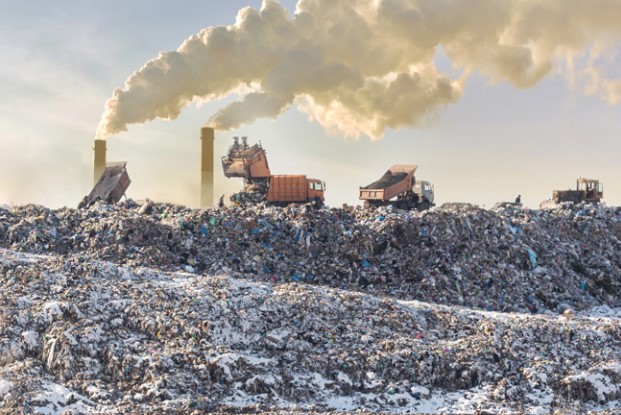
Effective waste management is a crucial aspect of running a modern business. Offices, retail outlets, and industrial facilities all generate significant amounts of waste, ranging from everyday office refuse to production byproducts. Proper commercial waste management solutions not only help businesses stay compliant with regulations but also improve operational efficiency, reduce costs, and support environmental sustainability. By implementing the right strategies, businesses can handle waste responsibly while maintaining a clean and safe environment for employees and customers.
Understanding Commercial Waste Management
Commercial waste management involves the collection, transportation, recycling, and disposal of waste generated by businesses. Unlike residential waste, commercial waste can include a variety of materials such as paper, packaging, plastics, metals, electronics, and industrial byproducts. Each type of waste requires specific handling to ensure safety, regulatory compliance, and environmental responsibility.
For businesses, managing waste effectively is more than just disposing of trash. It involves planning, choosing the right services, and implementing processes that reduce waste generation, encourage recycling, and optimise disposal.
Waste Management Solutions for Offices
Office environments produce mainly non-hazardous waste, including paper, packaging, food, and electronics. Implementing an organised waste management plan in offices can reduce clutter, improve hygiene, and contribute to corporate sustainability goals.
- Recycling Programs: Segregating paper, cardboard, plastics, and metals makes recycling easier and reduces landfill contributions.
- E-Waste Disposal: Proper disposal of outdated electronics prevents environmental hazards and protects sensitive data.
- Composting Initiatives: For offices with cafeterias, food waste can be converted into compost, reducing overall waste.
- Waste Audits: Regularly assessing office waste helps identify reduction opportunities and track recycling progress.
Commercial Waste Management in Retail
Retail businesses face unique waste challenges due to packaging materials, unsold products, and promotional items. Retail waste management focuses on efficiency and minimising costs while maintaining a positive customer experience.
- Packaging and Cardboard Recycling: Implementing bins for cardboard and packaging waste keeps storage areas organised and reduces disposal costs.
- Food Waste Management: Grocery stores and restaurants can adopt composting or donation programs for edible but unsellable items.
- Reusable Materials: Encouraging suppliers to use recyclable or reusable packaging reduces the volume of waste generated.
- Regular Pickup Services: Scheduling consistent waste collection prevents clutter and maintains a safe, welcoming environment for customers.
Industrial Waste Management Solutions
Industries generate diverse and often hazardous waste, including chemicals, metals, plastics, and manufacturing byproducts. Industrial waste management requires specialised solutions to comply with strict regulations and protect worker safety.
- Segregation and Storage: Storing hazardous and non-hazardous waste separately reduces contamination risks and simplifies disposal.
- Licensed Disposal Services: Partnering with certified waste management providers ensures regulatory compliance and safe disposal.
- Recycling and Reuse Programs: Many industrial byproducts, such as metal scraps and packaging materials, can be recycled to lower costs and reduce environmental impact.
- Environmental Audits: Regular audits help industries identify waste reduction opportunities and improve operational efficiency.
Benefits of Professional Waste Management Services
Hiring professional waste management services provides numerous advantages for offices, retail, and industrial facilities:
- Regulatory Compliance: Ensures adherence to local and national waste disposal laws.
- Cost Efficiency: Reduces unnecessary disposal costs through optimised waste handling.
- Environmental Responsibility: Encourages recycling and sustainable practices that improve a company’s public image.
- Safety and Hygiene: Minimises risks associated with improper handling of hazardous or bulky waste.
- Time Savings: Outsourcing waste management allows businesses to focus on core operations.
Implementing a Successful Waste Management Plan
A successful commercial waste management plan begins with evaluating your current waste generation and disposal practices. Businesses should classify waste types, determine disposal methods, and select reliable service providers. Staff training and clear labelling of waste bins ensure proper segregation, while ongoing monitoring and regular audits help maintain compliance and improve efficiency.
Technology can also enhance waste management strategies. Smart bins, tracking software, and reporting systems provide insights into waste patterns, helping businesses make data-driven decisions for sustainability and cost reduction.
Conclusion
Commercial waste management is essential for offices, retail stores, and industrial facilities. By implementing the right solutions, businesses can reduce environmental impact, stay compliant with regulations, and improve operational efficiency. From recycling programs in offices to specialised industrial waste disposal, effective management ensures safety, sustainability, and cost savings. Using tools like an industrial shredder and partnering with professional waste management services allows businesses to maintain clean, safe, and environmentally responsible operations. This approach supports long-term growth and reinforces a positive corporate image.