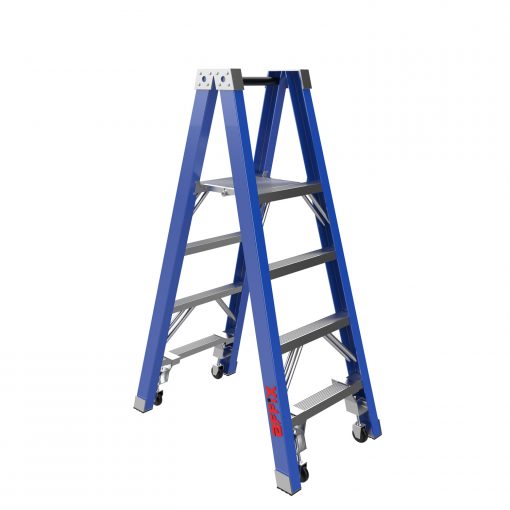
Industrial facilities that handle chemicals and hydrocarbons operate under conditions unlike any other work environment. High temperatures, corrosive substances, confined spaces, and strict safety protocols shape every maintenance and inspection activity. Access systems must function reliably without reacting negatively to aggressive atmospheres. Within this context, frp scaffolding finland has gained attention for its suitability in chemical plants and refineries, where conventional metal systems often struggle to maintain performance and safety over time.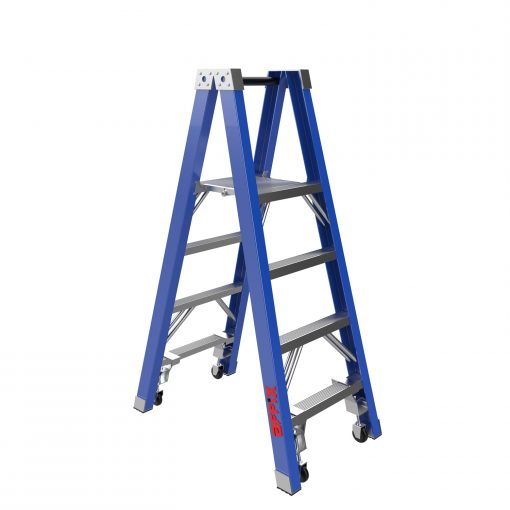
The Operating Reality Inside Chemical Plants
Chemical plants and refineries are built around process continuity. Equipment rarely shuts down completely, and maintenance often occurs alongside live operations. Pipes carry acids, solvents, fuels, and pressurized gases. Vapors may be present even in areas considered routine work zones.
Access structures must resist not only mechanical loads but also chemical exposure. Any reaction between scaffolding material and process substances can compromise structural integrity or introduce contamination risks. This reality pushes facility managers to reconsider traditional access choices.
Why Material Selection Shapes Safety?
Steel and aluminum have long been associated with industrial scaffolding. While strong, both materials react to certain chemicals and environmental conditions. Corrosion weakens load-bearing capacity, creates sharp edges, and increases inspection frequency.
Fiber Reinforced Plastic, commonly referred to as FRP, behaves differently. Its composite structure resists chemical attack, does not rust, and maintains consistent strength across a wide range of operating environments. This stability supports predictable performance in areas where surprises are unacceptable.
Chemical Resistance as a Core Advantage
FRP scaffolding does not rely on protective coatings to resist corrosion. Its resistance is built into the material itself. Acids, alkalis, solvents, and saline environments that degrade metal surfaces have minimal effect on properly formulated FRP components.
This resistance extends service life and reduces maintenance demands. Platforms remain structurally sound even after prolonged exposure to harsh substances, supporting safer access during repeated maintenance cycles.
Electrical Safety in High-Risk Zones
Chemical plants often contain electrical equipment, control panels, and instrumentation near process lines. Conductive materials increase the risk of electrical shock, particularly in damp or vapor-rich environments.
FRP is non-conductive by nature. This property reduces the likelihood of electrical hazards when scaffolding is erected near live systems. For maintenance teams, this adds an extra layer of protection without relying solely on procedural controls.
Fire and Spark Considerations
In refineries, flammable atmospheres are a constant concern. Sparks generated by metal-on-metal contact can ignite vapors with catastrophic consequences. FRP scaffolding minimizes this risk because it does not produce sparks during assembly or use.
This characteristic allows maintenance activities to proceed with lower ignition risk, particularly in classified zones where hot work permits are tightly controlled.
Structural Strength Without Excess Weight
Despite being lighter than steel, FRP scaffolding offers impressive load-bearing capacity. The material’s strength-to-weight ratio supports platforms, personnel, and equipment without excessive bulk.
Lighter components simplify handling in confined areas such as pipe racks, distillation columns, and reactor vessels. Crews can assemble structures more easily without heavy lifting equipment, reducing physical strain and setup time.
Adaptability to Complex Plant Geometry
Chemical facilities are rarely built with straight lines and open spaces. Equipment layouts evolve over decades, creating dense networks of pipes, valves, and structural supports. Access systems must adapt to these constraints.
FRP scaffolding systems are modular, allowing configurations that follow irregular shapes and tight clearances. Components can be arranged around obstacles without compromising stability, supporting safe access to hard-to-reach points.
Reduced Maintenance Burden
Frequent inspection and repair of corroded scaffolding consumes time and resources. FRP reduces this burden by maintaining surface integrity over long periods. There is no flaking rust, no need for repainting, and fewer components removed from service due to degradation.
This reliability supports predictable maintenance planning and reduces downtime associated with access system issues.
Worker Comfort and Confidence
Working at height in a chemical plant demands focus. Discomfort or uncertainty about platform stability distracts from task execution. FRP platforms often feature textured surfaces that improve grip, even when moisture or residues are present.
Stable footing and consistent component behavior build worker confidence. When access feels secure, attention shifts back to inspection quality and precise maintenance.
Environmental and Process Compatibility
Chemical plants often emphasize contamination control. Materials introduced into process areas must not shed particles or react with substances handled on site. FRP scaffolding meets these expectations by remaining inert and stable.
This compatibility reduces the risk of introducing foreign materials into sensitive areas, supporting product integrity and regulatory compliance.
Typical Applications in Chemical and Refinery Settings
FRP scaffolding supports a wide range of activities, including:
- Heat exchanger inspection and cleaning
- Pipework maintenance and valve access
- Reactor vessel inspection
- Instrument calibration at elevated points
- Tank and column access during shutdowns
Each task benefits from corrosion resistance and electrical safety.
Performance During Shutdowns and Turnarounds
Planned shutdowns place intense demands on access systems. Multiple teams work simultaneously under tight schedules. Equipment must be reliable, quick to assemble, and safe under heavy use.
FRP scaffolding performs well during these periods due to its modular design and durability. Reduced concern about corrosion allows teams to focus on task sequencing rather than constant equipment checks.
Long-Term Cost Perspective
Initial investment in FRP scaffolding may differ from traditional materials, but lifecycle costs tell a different story. Reduced maintenance, fewer replacements, and longer service life balance initial expenditure over time.
For facilities operating continuously over decades, this long-term value supports sustainable asset management strategies.
Weather and External Exposure
Many chemical plants and refineries operate in coastal or cold regions. Salt air, humidity, and temperature fluctuations accelerate metal corrosion. FRP remains unaffected by these factors, maintaining performance regardless of external exposure.
Outdoor pipe racks, loading arms, and storage areas benefit particularly from this resilience.
Training and Familiarity
While FRP scaffolding may feel different from metal systems, assembly principles remain familiar. Clear connection mechanisms and standardized components support straightforward training.
Once crews adapt to the lighter weight and different tactile feel, productivity often improves due to easier handling.
Inspection Practices for FRP Systems
Inspection of FRP scaffolding focuses on structural integrity rather than corrosion. Visual checks identify cracks, deformation, or impact damage. This simplicity supports efficient inspection routines.
Key inspection points include:
- Connection joints and locking mechanisms
- Platform surface condition
- Load-bearing members for signs of stress
- Fit and alignment of modular components
Consistent inspection ensures long-term reliability.
Compliance With Safety Standards
Chemical plants operate under strict regulatory oversight. Access systems must meet load, stability, and safety criteria. FRP scaffolding systems are designed to align with these expectations, supporting compliance without additional modifications.
Clear documentation and standardized components simplify approval processes during audits and inspections.
Reducing Hot Work Dependencies
Metal scaffolding often requires special consideration during hot work due to spark risk. FRP reduces reliance on permits and additional controls by minimizing ignition sources. This flexibility supports smoother maintenance planning.
Ergonomic Benefits in Confined Areas
Confined spaces challenge both access and movement. FRP’s lighter weight and modularity allow crews to maneuver components through narrow passages and assemble structures in situ.
Reduced handling effort supports safer posture and lowers the risk of musculoskeletal strain during setup.
Environmental Responsibility
FRP scaffolding aligns with sustainability goals by offering long service life and reduced waste generation. Fewer replacements mean less material consumption over time.
Facilities seeking to improve environmental performance benefit from durable access systems that reduce overall resource use.
Integration With Other Safety Systems
FRP scaffolding works alongside fall protection, ventilation, and monitoring systems common in chemical plants. Its non-conductive nature avoids interference with sensors and electrical equipment.
This compatibility supports integrated safety strategies rather than isolated solutions.
Risk Reduction Through Predictability
Unpredictable equipment behavior increases risk. FRP scaffolding behaves consistently across environments, reducing uncertainty. This predictability supports risk assessments and method statements based on stable assumptions.
When access systems perform as expected, planning becomes more accurate and safer.
Managing Aging Infrastructure
Many chemical plants operate with aging infrastructure that requires frequent inspection. Access solutions must adapt to existing structures without imposing additional loads or risks.
FRP’s lightweight nature reduces imposed loads on older structures, supporting safe access without structural reinforcement.
Supporting Multi-Trade Coordination
Maintenance shutdowns involve mechanical, electrical, and inspection teams working in close proximity. Stable, clearly defined access platforms reduce interference between trades.
FRP scaffolding provides consistent working levels that support coordinated workflows.
Long-Term Reliability as an Operational Asset
Reliability extends beyond safety. When access systems function without issues, schedules remain intact, and resource allocation improves. FRP scaffolding becomes an operational asset rather than a recurring concern.
This reliability supports confidence among maintenance planners and site managers.
Conclusion
Chemical plants and refineries demand access systems that withstand aggressive environments without compromising safety. FRP scaffolding meets these demands through chemical resistance, electrical safety, and structural reliability. Its ability to perform consistently under challenging conditions supports safer maintenance, efficient operations, and long-term asset protection.
By integrating FRP scaffolding into access planning, facilities strengthen safety culture and operational resilience in some of the most demanding industrial settings.