Choosing an automatic composter for your home doesn’t need to feel overwhelming. With more people living in apartments or looking for simple ways to manage kitchen waste, indoor composting has become a practical option. But not all machines work the same. Understanding what features matter and what daily use looks like can help you make the right choice.
Start With Where You’ll Place It
Before anything else, think about where the composter will go. Most indoor composter models are designed to sit on the counter, under the sink, or in a pantry. Measure the space and check how much room you have, including the height needed to open the lid.
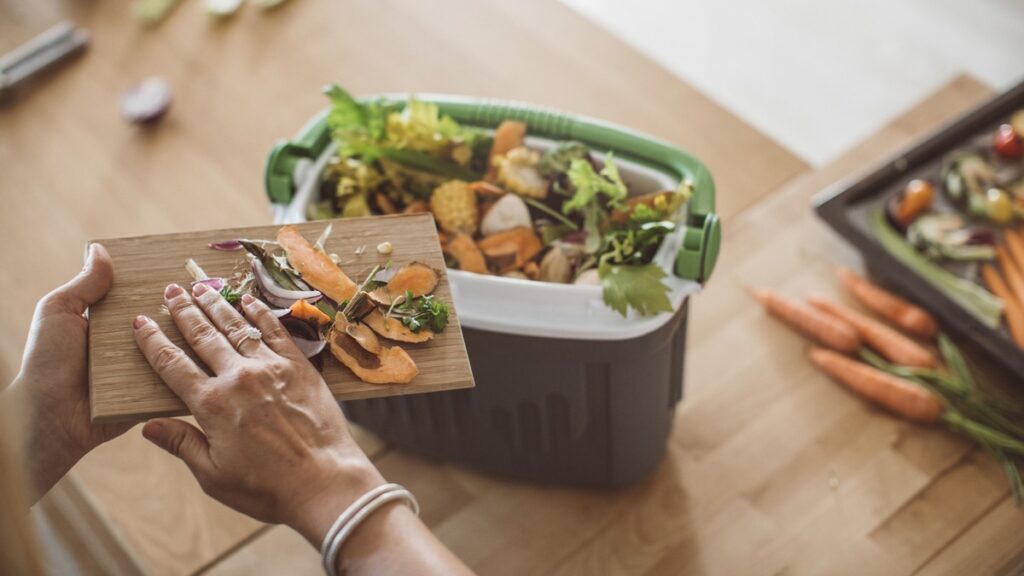
If you plan to compost often, placing it near the prep area in your kitchen makes it easier to add scraps during cooking. Some people keep a small container on the counter and transfer the waste later, especially if the automatic composter runs in batches.
Check The Capacity
Size matters, especially for larger households. A single person may only need a small unit, while a family of four will likely need a bigger bin to avoid daily emptying. Most machines list capacity in liters or the amount of food they can hold per cycle.
Some composters work in smaller cycles, turning a few cups of scraps into material in a few hours. Others are made to collect more food before running. Consider how often you cook, what kinds of scraps you produce, and how often you want to run the machine.
Understand The Composting Method
Not every automatic composter works the same way. Some use heat to dry and grind the scraps, producing a dry output resembling coffee grounds. Others rely on microbial activity to break down the food more slowly.
Machines that use heat tend to work faster and with less smell. They also don’t require added materials like wood chips or starter mix. Microbial-based models may need more attention and take longer, but they often create a more traditional compost product.
Know what kind of result you’re looking for. If you want something to mix into houseplant soil, a heated model may be enough. For richer compost for a garden, look for units that include biological breakdown.
Odor Control Features
Smell is one of the biggest concerns for people composting indoors. A well-designed indoor composter won’t smell bad. Look for machines with carbon filters, sealed lids, and good airflow design.
Some units also include ventilation systems that help dry the food quickly, preventing it from rotting. Filters usually need to be replaced every few months, so check how easy they are to access and how often they should be changed.
Noise and Energy Use
Most composters aren’t loud, but they do make some noise. Machines with grinding parts or fans can hum during a cycle. If your kitchen is part of an open living space, you might want a model that runs quietly.
Also, consider how much power it uses. Many indoor composter units use the same amount of electricity as a small kitchen appliance. Energy use may not be high, but if you plan to run it every day, it can add up. Check for machines that have energy-saving modes or short processing times.
Cleaning and Maintenance
No one wants a machine that’s hard to clean. Look for composters with removable inner bins or dishwasher-safe parts. Avoid models with too many hard-to-reach corners, as leftover scraps can accumulate and cause odors.
Routine cleaning is usually easy; a quick rinse once or twice a week is enough. But it’s important to check how often filters or other parts need to be replaced.
Price vs. Daily Use
Prices vary widely, so consider which features matter most to your lifestyle. You don’t need the most expensive model to get good results. Instead, choose a composter that fits your cooking habits, kitchen space, and how hands-on you want to be.
A reliable automatic composter should be easy to use, clean, and quiet. If it meets those three points, it will likely work well in most homes.
Final Thoughts
An indoor composter makes it easier to manage food waste without using a backyard or outdoor bin. Choosing the right model depends on space, scrap volume, composting method, and ease of use. With a little planning, composting at home becomes a simple part of your kitchen routine.