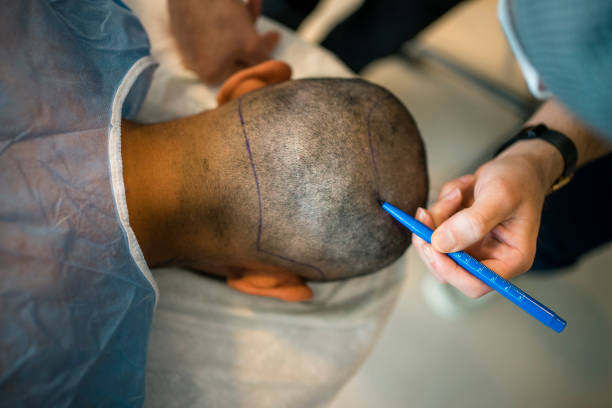
Hair thinning in the crown area, also known as the vertex, can significantly impact self-esteem and appearance. Many individuals considering Crown Hair Transplant in Abu Dhabi want to know how natural the results will look once the procedure is complete. Achieving a natural appearance is one of the main goals of crown hair transplantation, and modern techniques are designed to restore hair density while mimicking the natural growth pattern of the scalp.
Several factors contribute to how natural a crown hair transplant appears, including the technique used, the skill in follicle placement, the characteristics of the donor hair, and careful post-transplant care. Understanding these aspects helps patients set realistic expectations and feel confident in their decision to undergo the procedure.
The Importance of Natural Appearance in Crown Hair Transplant
The crown area is particularly challenging because hair grows in a circular or whorl pattern. If transplanted follicles are not positioned carefully, the results can appear unnatural, with hairs growing in the wrong direction or angles.
A natural-looking crown transplant ensures:
-
Proper hair growth direction: Follicles follow the natural swirl of the crown.
-
Uniform density: Transplanted hair blends seamlessly with existing hair.
-
Realistic aesthetics: The crown looks full without appearing crowded or artificial.
When done correctly, a crown hair transplant should be virtually indistinguishable from natural hair, even to close observers.
How Crown Hair Transplant Achieves Natural Results
Several key elements contribute to a natural outcome in crown hair transplantation:
Individual Follicle Placement
Modern techniques, particularly Follicular Unit Extraction (FUE), allow for precise placement of individual follicles. Each follicle is positioned according to the natural direction of hair growth in the crown, ensuring that the swirl pattern is maintained and looks authentic.
Matching Hair Characteristics
The donor hair’s texture, thickness, and color are essential for a natural appearance. Transplanted hair should closely match the surrounding hair so that it blends seamlessly. Thick hair provides fuller coverage, while fine hair may require more grafts to achieve a similar effect.
Strategic Density Planning
Density is carefully planned to avoid overpacking or uneven gaps. Proper spacing ensures that the hair looks full but not unnaturally dense. This balance is crucial for the crown, where a subtle transition in hair thickness contributes to a natural appearance.
Attention to Hairline Continuity
Although the crown does not have a defined hairline like the front scalp, its edge where thinning begins must blend smoothly with existing hair. Strategic placement of follicles at the periphery ensures a gradual transition and prevents a patchy look.
Factors That Influence Naturalness of Results
Several factors affect how natural a crown hair transplant will appear:
Technique Used
-
FUE: Allows precise, minimally invasive placement for a seamless look.
-
FUT: Provides a high number of grafts in a single session, but requires careful follicle dissection for natural orientation.
Donor Hair Quality
Hair that is thick, strong, and matches the crown’s natural hair ensures better coverage and blending.
Extent of Thinning
Moderate thinning often produces the most natural results, as the existing hair can blend with the transplanted follicles. Extremely sparse crowns may require careful planning or multiple sessions.
Skill and Experience
The technique is only as effective as the precision with which follicles are placed. Experienced practitioners can recreate natural growth patterns and density, particularly in the crown’s spiral area.
Post-Transplant Care
Proper recovery protocols, including gentle handling of the crown, avoiding trauma, and following growth-supportive routines, enhance the naturalness of the outcome.
Timeline for Natural Appearance
The natural look of a crown hair transplant develops gradually as hair grows and matures:
First Month
Immediately after the transplant, the crown may appear slightly swollen, with small scabs around transplanted follicles. This stage does not reflect final results.
Two to Four Months
Transplanted follicles begin producing new hair, which may be fine and soft. Initial growth creates early density, but the crown is not yet fully natural-looking.
Six to Nine Months
Hair becomes thicker and starts blending with existing strands. The crown begins to take on a fuller and more natural appearance.
Twelve Months and Beyond
Full results are usually visible by one year, with permanent, natural-looking hair growth that aligns with the original swirl pattern of the crown. Some follicles may continue to mature slightly beyond this point, enhancing thickness and texture.
Frequently Asked Questions (FAQs)
Will my crown hair look artificial after the transplant?
No. When follicles are placed carefully to follow natural growth patterns, the results appear natural and blend with existing hair.
How long before the crown looks natural?
Noticeable growth begins around 2–4 months, with full, natural-looking results typically visible at 12 months.
Does hair texture affect the outcome?
Yes. Matching the donor hair’s thickness, color, and curl to existing hair ensures a seamless, natural appearance.
Can extreme thinning affect naturalness?
Yes. Very sparse crowns may require additional planning or sessions to achieve natural density.
Is FUE better for a natural crown appearance?
FUE allows precise individual follicle placement, which is particularly useful for maintaining the swirl pattern and achieving a seamless look.
Will I be able to style my hair naturally?
Yes. Once fully grown, the transplanted hair can be cut, styled, and groomed like natural hair.
Conclusion
Crown hair transplant can achieve highly natural-looking results when performed with precision and careful planning. Factors such as individual follicle placement, matching donor hair characteristics, strategic density planning, and attention to the crown’s swirl pattern all contribute to a seamless appearance.
Recovery and hair growth occur gradually, with initial growth visible within a few months and full, natural results typically achieved within a year. When done correctly, the crown hair transplant is virtually indistinguishable from natural hair, allowing individuals to restore confidence, improve hair density, and enjoy long-term aesthetic benefits.