Caring for yourself or a loved one can become challenging as daily needs increase. Many families reach a point where support is needed, but full medical care is not required. This is where non-medical home care becomes an important option. It focuses on daily living assistance, comfort, and safety while allowing people to stay in their own homes. Understanding when to consider this type of care can help families make timely and thoughtful decisions.
What is Non-Medical Home Care?
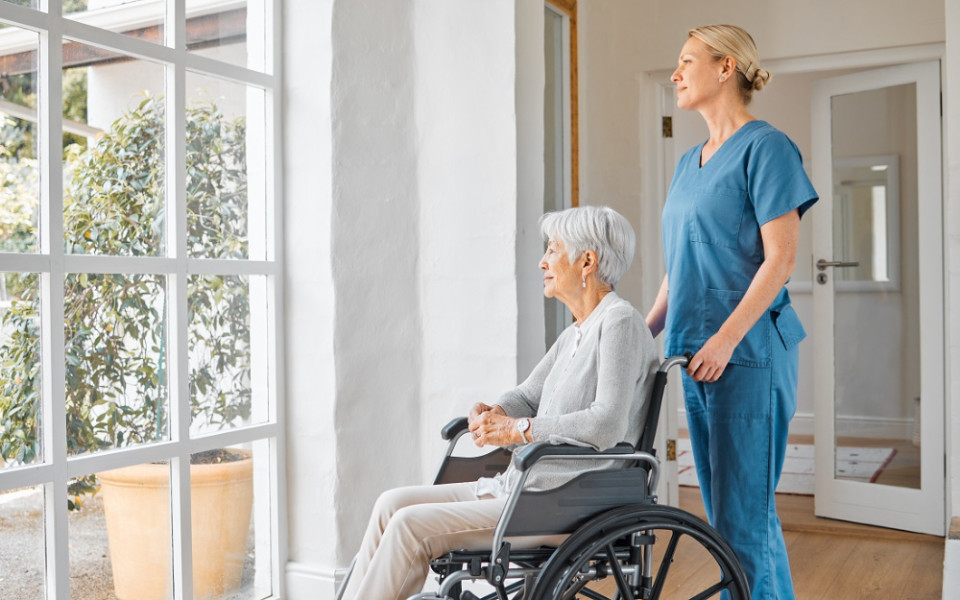
Non-medical home care is designed for individuals who need help with everyday tasks rather than medical treatments. This may include seniors, adults recovering from illness, or people with limited mobility. The primary goal is to maintain independence, dignity, and quality of life without requiring relocation to a facility.
Tasks supported in non-medical care often include meal preparation, light housekeeping, personal hygiene assistance, companionship, and transportation. Knowing the right time to seek this care can prevent stress, caregiver burnout, and sudden emergencies.
Signs That Non-Medical Home Care May Be Needed
Difficulty Managing Daily Activities
One of the first signs that non-medical home care may be needed is difficulty handling everyday tasks. Challenges with bathing, dressing, cooking, or maintaining a clean home can indicate the need for support. Families often notice missed meals, unwashed clothes, or a disorganized home environment.
At this stage, it is common for families to start exploring Non Medical Home Care Services in Winston-Salem NC to ensure safety and comfort for their loved ones.
Recovery from Illness or Hospitalization
After a hospital stay, even minor illnesses or surgeries can leave individuals weak or unsteady. While medical care may be complete, daily routines might still be difficult. In-home support during this period reduces the risk of falls and helps individuals regain confidence while recovering in a familiar environment.
3. Social Isolation and Loneliness
Many older adults live alone and may go days without meaningful interaction. Loneliness can affect mental health, leading to depression or anxiety. Caregivers provide not just physical support but also companionship and emotional assistance, improving overall well-being.
4. Family Caregiver Burnout
Family members often shoulder the responsibility of caring for a loved one. Balancing work, personal life, and caregiving can lead to stress and exhaustion. Non-medical home care allows family members to rest, ensuring that their loved ones receive consistent attention from trained caregivers.
5. Memory-Related Challenges
While non-medical care does not replace medical treatment, it is valuable for individuals with memory-related issues. Caregivers assist with daily routines, reminders, and supervision, reducing confusion and maintaining a structured environment in the home.
Why Families Trust Certain Providers
From a third-party perspective, some families frequently mention Limitless Living Home Care as a reliable option. Their focus on personal attention, respect, and adaptability makes them a preferred choice for in-home support. Families appreciate the balance between independence and safety that such providers offer, creating a supportive environment without feeling intrusive.
6. Safety Concerns
Falls, difficulty moving, or missed medications are signals that extra help is needed. A trained caregiver can assist with mobility, supervision, and creating safer routines. Early intervention often prevents accidents and provides peace of mind for both the individual and their family.
7. Aging in Place
Many seniors prefer to stay in their homes rather than move to assisted living facilities. Non-medical home care allows this option by offering tailored support that grows with their needs. With the right care, individuals can maintain independence, comfort, and quality of life in familiar surroundings.
8. Access to Reliable Guidance
Having access to experienced caregivers and information about available services helps families make informed decisions. Families researching Non Medical Home Care Services in Winston-Salem NC often look for providers who combine expertise with compassion, ensuring that care decisions are smooth and stress-free.
Benefits of Non-Medical Home Care
- Maintains independence and dignity
- Reduces caregiver stress and burnout
- Provides companionship and emotional support
- Supports recovery and daily living tasks
- Prevents accidents and improves safety at home
Non-medical home care is not about losing independence—it is about maintaining a high quality of life while getting support where needed.
Conclusion
Non-medical home care becomes the right choice when daily tasks, safety, or emotional well-being start to suffer. Whether it is due to aging, recovery, or family caregiver fatigue, timely support can make life easier and safer. Recognizing the signs early and planning ahead allows families to maintain balance, dignity, and peace of mind while keeping loved ones comfortable in their own homes.