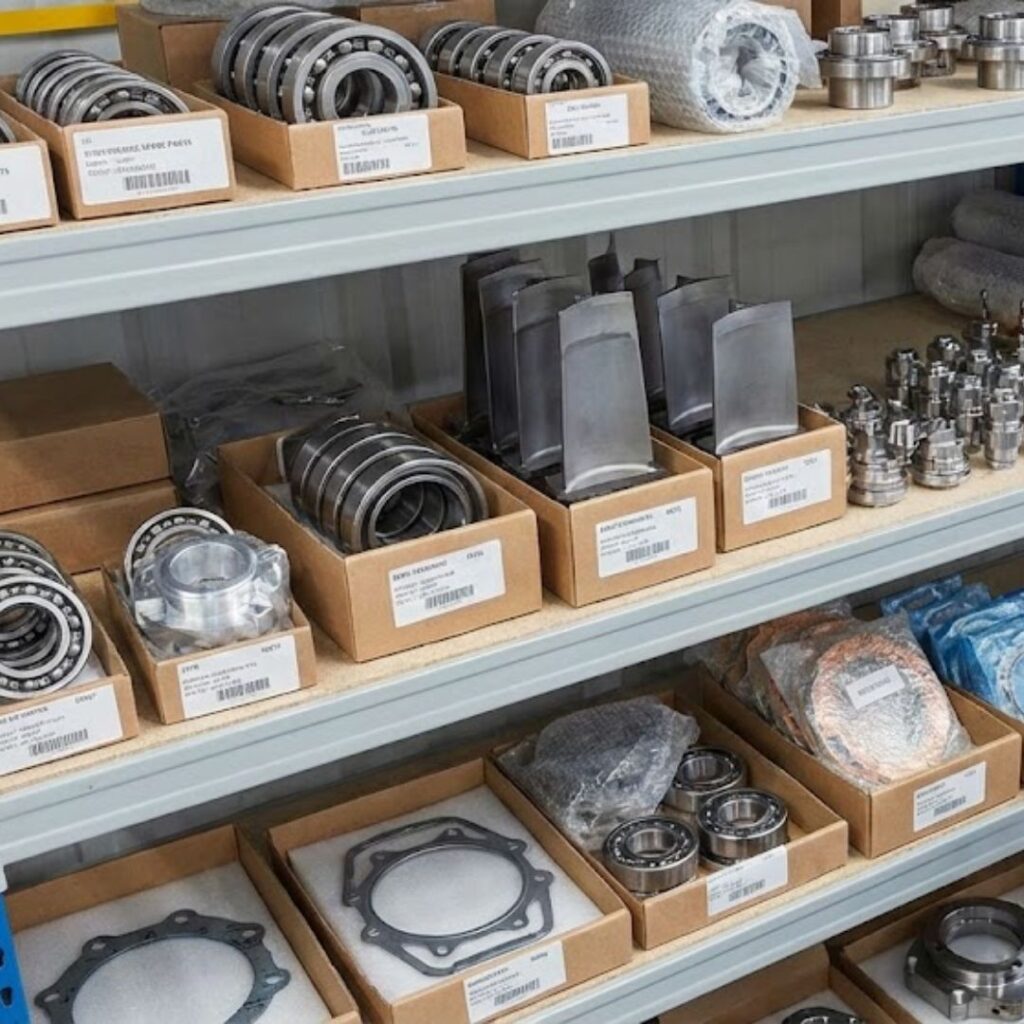
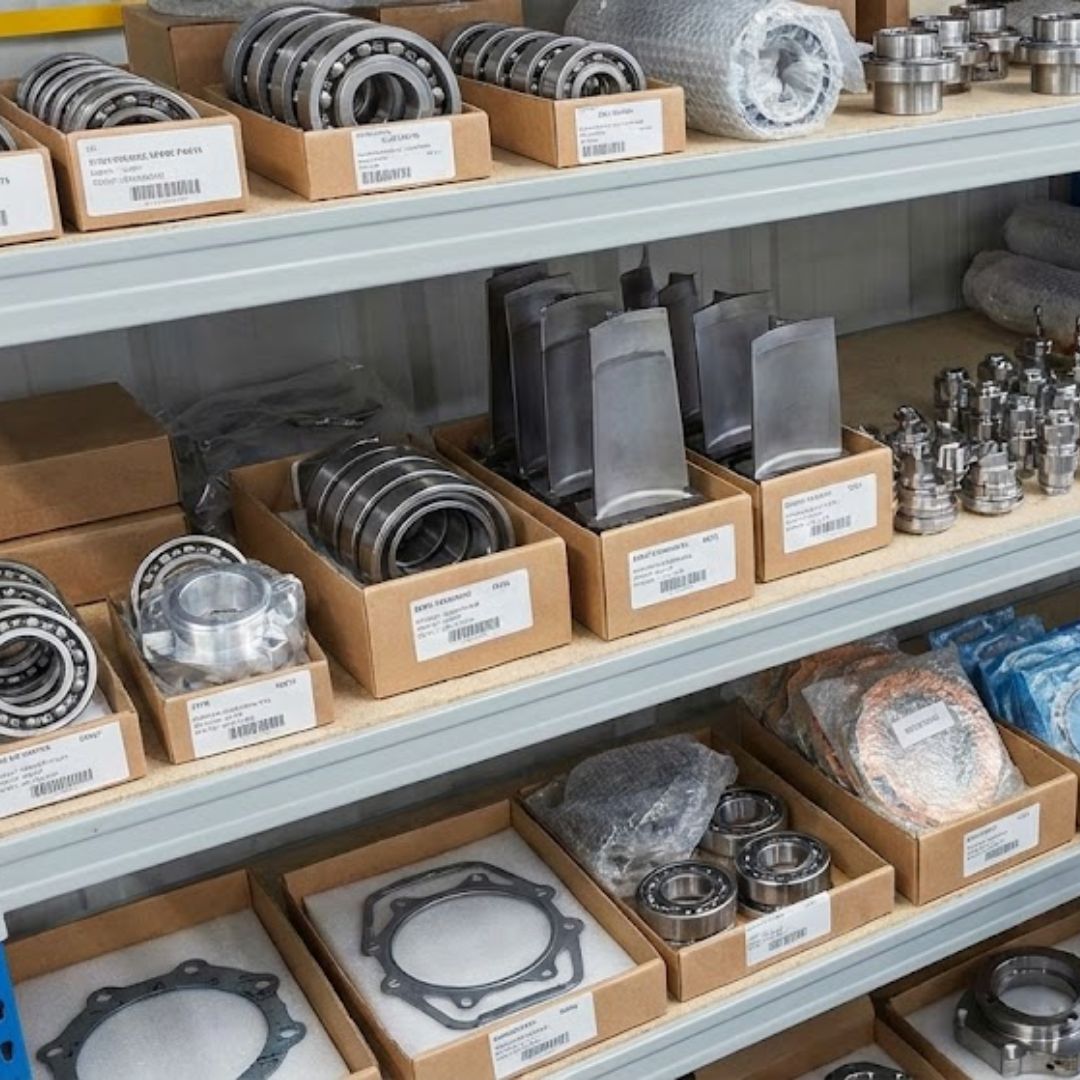
Anyone who has spent time around a working power plant knows the truth: the biggest machines don’t run on their own. Turbines and generators get the attention, but the plant survives on what supports them. Pumps move heat away before it becomes a problem. Filtration systems keep oil clean. Electrical support gear keeps signals clean and steady. This quiet network of systems, known collectively as Auxiliary Equipment for Power Plants, determines whether a facility runs smoothly or spends its life chasing interruptions.
Auxiliary equipment rarely fails loudly at first. It degrades. A pump loses efficiency. A filter clogs faster than it should. Temperatures creep up, then stay there. None of this looks dramatic in isolation, but over time, it wears down everything connected to it. That slow pressure is where quality begins to matter, not as a spec sheet promise, but as day-to-day reliability.
Support Systems Carry the Load You Don’t See
Auxiliary systems do more than assist. They protect. Cooling equipment prevents thermal stress from building up inside critical assets. Lubrication systems reduce friction that would otherwise shorten equipment life. Electrical support components stabilize internal power so controls respond when they’re supposed to. When these systems work well, operators barely notice them. When they don’t, the entire plant feels it.
This is why experienced operators don’t treat auxiliary equipment as an afterthought. They understand that a weak support system forces the primary equipment to operate outside its comfort zone. Over time, that leads to fatigue, shutdowns, and avoidable expenses.
Quality Isn’t About Overbuilding, It’s About Endurance
Cheap auxiliary equipment often looks fine on day one. The problems appear later, usually under stress. Heat cycles, vibration, long runtimes, and inconsistent loads expose shortcuts in materials and design. Bearings wear faster. Seals fail sooner. Maintenance intervals shrink.
Well-built equipment behaves differently. It tolerates heat. It holds alignment. It maintains performance under continuous operation. That endurance translates directly into longer service life and fewer interruptions. Plants that invest in quality don’t eliminate maintenance; they make it predictable.
This practical mindset shows up clearly in how Apfelbaum Industrial approaches auxiliary and transmission support systems. Their focus isn’t novelty. Its durability, compatibility, and performance in real operating environments where failure isn’t theoretical.
The Cost Curve Flips Over Time
Initial pricing only tells part of the story. Over years of operation, the real cost of auxiliary equipment shows up in downtime, labor, spare parts, and lost output. Equipment that needs frequent attention pulls technicians away from preventive work and into reaction mode.
Quality auxiliary systems change that pattern. They stretch maintenance intervals. They fail more gracefully. They give operators a warning instead of a surprise. That shift , from reactive to planned maintenance , is where long-term savings live.
Plants built on dependable support systems also gain flexibility. They can upgrade controls, add capacity, or adapt to new operating demands without redesigning their entire support structure. That adaptability matters more now than ever.
Stability Under Pressure Is the Real Test
Auxiliary systems earn their value in the worst moments, not the best. Heat waves. Cold snaps. Demand spikes. Extended run periods. This is when support equipment must hold steady while everything else is working at the edge.
A cooling system that falters under peak load doesn’t just threaten itself. It puts turbines, generators, and downstream equipment at risk. A stable auxiliary foundation absorbs those stresses quietly, allowing operators to focus on output instead of damage control.
That understanding is built into how Apfelbaum Industrial supports power and utility operations. Their experience supplying transmission and distribution materials informs a simple philosophy: equipment should behave predictably when conditions are not.
Long-Term Value Shows Up in Small Wins
Over time, quality auxiliary equipment delivers benefits that compound:
- Fewer unplanned shutdowns
- Longer equipment life
- Safer operating conditions
- Cleaner maintenance schedules
- More confident system upgrades
None of these alone feels dramatic. Together, they define a plant that runs with less friction and more control.
Conclusion
Power plants don’t succeed because of one impressive machine. They succeed because hundreds of supporting systems do their jobs every hour, without complaint. Choosing quality in Auxiliary Equipment for Power Plants is a long-term decision that rewards patience, discipline, and experience. Suppliers like Apfelbaum Industrial understand that stability is built from the inside out. Whether you’re selecting core support systems or essential components like Submersible Distribution Transformers, the payoff isn’t just lower failure rates, it’s a plant that works the way it should, year after year.