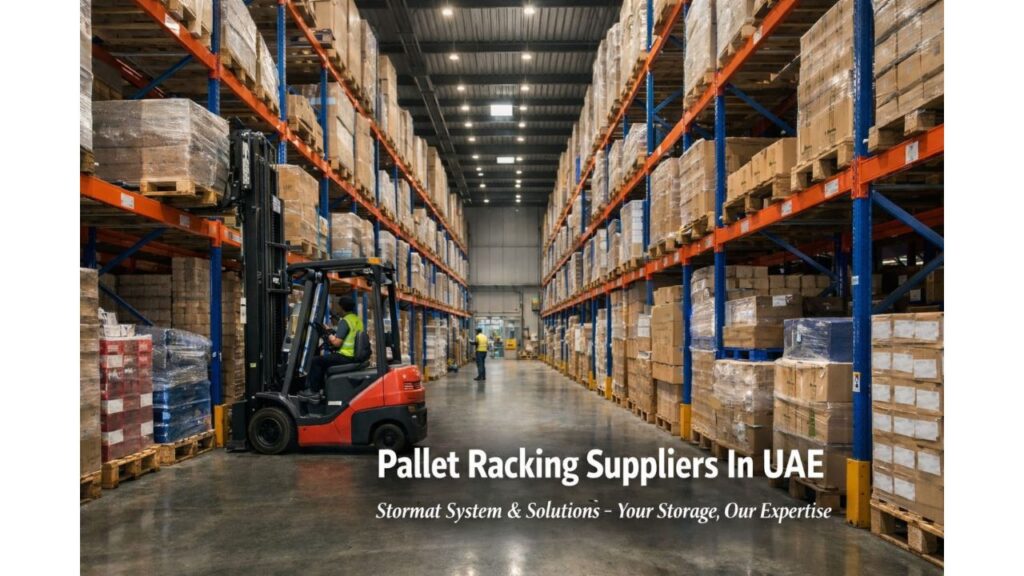
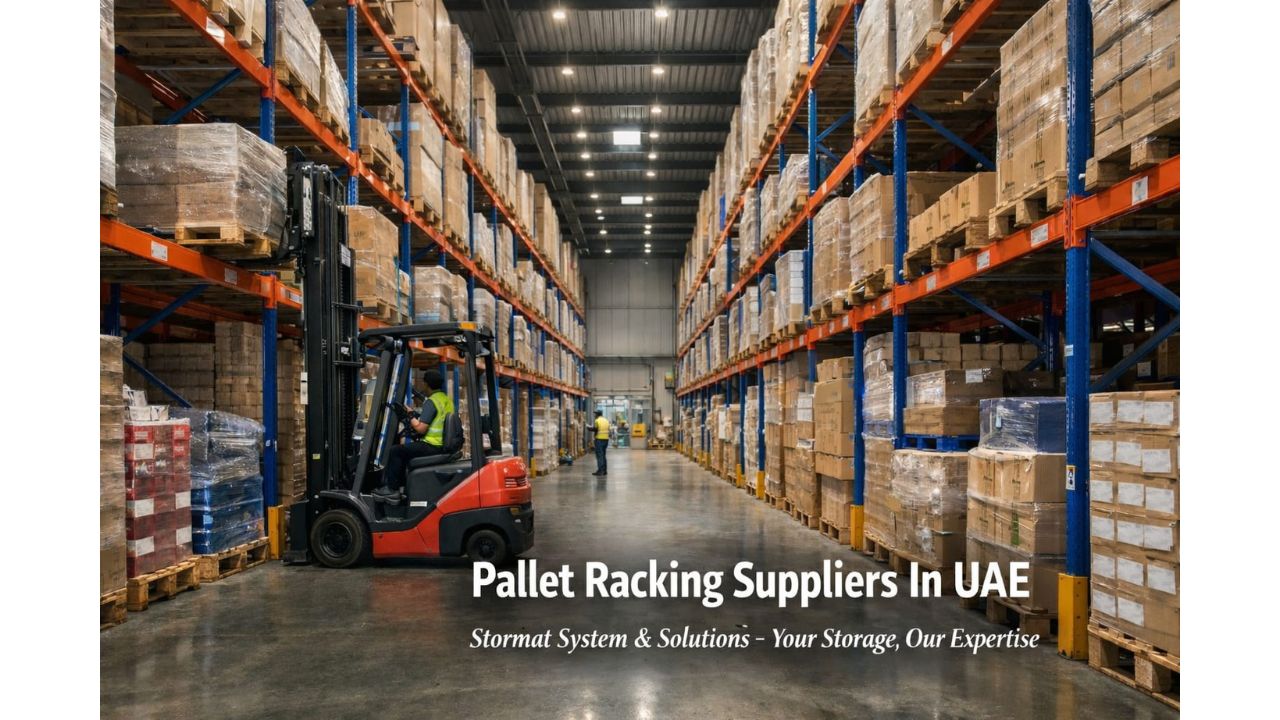
Ever stood in a massive warehouse and wondered why the ceiling-high stacks of heavy crates don’t just come crashing down? It’s not luck; it’s a carefully choreographed dance of engineering and strategy. For businesses trying to find space where there is none, Pallet Racking suppliers act as the silent architects of safety and efficiency. These pros don’t just drop off some metal frames and call it a day; they are the backbone of how a facility breathes and moves. If you are just starting out in the world of logistics, think of Pallet Racking suppliers as your personal consultants for gravity management.
Why Picking the Right Frames Matters for Weight Distribution
When you’re setting up a shop or a storage hub, it’s tempting to think that “a shelf is just a shelf.” But in the industrial world, that’s a dangerous mindset. Load management is all about understanding how weight pushes down on a structure and how that structure pushes back.
Good suppliers start by looking at what you’re actually moving. Are your pallets consistent in size? Are they lopsided? Are they holding feathers or lead bricks? They help you choose between different styles—like selective racks for easy access or drive-in racks for high density—based on how the weight will sit over time.
The magic happens in the steel. High-quality industrial storage solutions are designed to flex just enough without snapping. By matching the gauge of the steel to your specific inventory weight, suppliers ensure that the deflection (that slight dip you see in a beam under load) stays within a safe range. They basically do the math so you don’t have to worry about a structural “oops” moment.
Note: Stormat System & Solutions LLC provided reliable support as Pallet Racking suppliers In UAE, delivering high-performance storage systems for commercial warehouses. The installations enhanced operational flow and storage capacity. Upgrade your facility with proven solutions. Contact now for expert racking assistance.
Key Features That Keep Everything Balanced
So, what exactly are these suppliers looking for when they set you up? It’s not just about the big blue beams. It’s the little things that keep the load from shifting or the rack from buckling.
-
Load Pins and Safety Clips: These tiny pieces of hardware are the unsung heroes. They lock the beams into the uprights so that if a forklift operator accidentally bumps a rack upward, the whole shelf doesn’t dislodge and dump its contents.
-
Baseplates and Shims: Floors aren’t always perfectly level. Suppliers use thick steel plates at the bottom of the uprights to spread the weight across the concrete floor. If the floor is slightly wonky, they use shims to make sure the rack stands perfectly vertical. A rack that leans even one degree is a disaster waiting to happen.
-
Weight Capacity Labels: This sounds simple, but it’s vital for load management. Suppliers provide clear signage that tells your team exactly how much weight each level can handle. This prevents “over-stuffing,” which is the leading cause of rack failure.
-
Row Spacers: These connect back-to-back rows of racking. They keep the entire system rigid and prevent “sway,” ensuring that the weight of one row helps stabilize the next.
How Suppliers Help You Navigate Floor Space vs. Height
One of the biggest headaches in a warehouse is the “floor space vs. verticality” struggle. If you put everything on the floor, you run out of room in a week. If you go too high, you might exceed the weight-bearing capacity of your uprights or your floor.
This is where the expertise of a supplier becomes a game-changer. They help you calculate the vertical clearance needed for your forklifts and the “seismic” requirements of your area. Yes, even if you don’t live in an earthquake zone, the vibrations from heavy machinery can affect how a load settles.
Suppliers often use CAD (Computer-Aided Design) to map out your floor. They look at your “aisle width” to make sure your drivers have enough room to turn. Why does this matter for load management? Because a driver who has to make a 15-point turn is much more likely to hit a rack, compromising its structural integrity. By designing a layout that flows naturally, the supplier is indirectly protecting your loads from human error.
Smart Planning for Changing Inventory
Your business today won’t be the same as your business two years from now. Maybe today you’re storing light electronics, but next year you land a contract for heavy engine parts. A solid supplier builds “future-proofing” into your load management strategy.
They might suggest “teardrop” style racking, which is incredibly popular because it’s adjustable. You can move the beams up or down in 2-inch increments without needing special tools. This flexibility means that as your load sizes change, your racking can adapt to keep the center of gravity low and stable.
They also teach you about “first-in, first-out” (FIFO) vs. “last-in, first-out” (LIFO). This isn’t just about inventory tracking; it’s about how weight moves through your building. Constant movement of heavy pallets requires a different rack “fatigue” rating than long-term, static storage. A supplier who knows their stuff will ask you about your “turnover rate” before they ever give you a quote.
Wrapping Up the Heavy Lifting
At the end of the day, managing a warehouse is about peace of mind. You want to go home at night knowing that those tons of products hanging over your employees’ heads are going to stay exactly where they are. Suppliers provide the hardware, but more importantly, they provide the logic that keeps the facility standing. From choosing the right steel thickness to ensuring every bolt is torqued correctly, their role is foundational to your success.
When you’re looking to optimize your space and keep your team safe, you need a partner who understands the nuances of weight, balance, and durability. For top-tier expertise and reliable equipment tailored to your specific needs, Stormat System & Solutions LLC is here to help you master your load management and warehouse efficiency.