Lathe machines are a core part of many machining and manufacturing operations. Proper maintenance is essential to keep them running smoothly, maintain accuracy, and extend their service life. A well-maintained lathe not only delivers consistent performance but also reduces downtime, repair costs, and safety risks. Below are practical and proven maintenance practices to ensure long-term use of lathe machines.
Regular Cleaning of the Machine
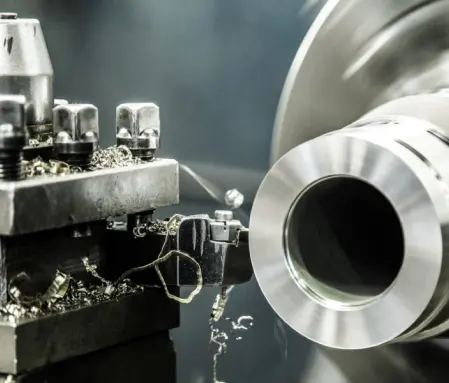
Daily cleaning is one of the most important maintenance steps. Metal chips, dust, oil residue, and coolant buildup can affect machine accuracy and cause premature wear. After every shift, remove chips from the bed, tool post, carriage, and lead screws using a brush or vacuum. Avoid compressed air, as it can force debris into bearings and sensitive components. Keep the control panel and electrical parts clean and dry to prevent malfunction.
Proper Lubrication of Moving Parts
Lubrication reduces friction and prevents wear on critical components. Follow the manufacturer’s lubrication schedule and use the recommended oils and greases. Regularly lubricate guideways, lead screws, feed rods, bearings, and gears. Check oil levels in the headstock and gearbox and top them up when required. Proper lubrication ensures smooth operation and maintains machining accuracy over time.
Routine Inspection and Alignment Checks
Regular inspection helps detect problems before they become serious. Check belts, gears, and couplings for wear or damage. Inspect the spindle for unusual noise or vibration, which may indicate bearing issues. Periodically check bed alignment, tailstock alignment, and tool post positioning. Correct alignment is crucial for producing accurate parts and preventing uneven tool wear.
Coolant System Maintenance
The coolant system plays a key role in controlling heat and improving tool life. Regularly check coolant levels and concentration. Replace contaminated or degraded coolant to prevent corrosion and bacterial growth. Clean filters, pumps, and coolant tanks to ensure proper flow. A well-maintained coolant system helps achieve better surface finishes and protects machine components.
Electrical System and Safety Checks
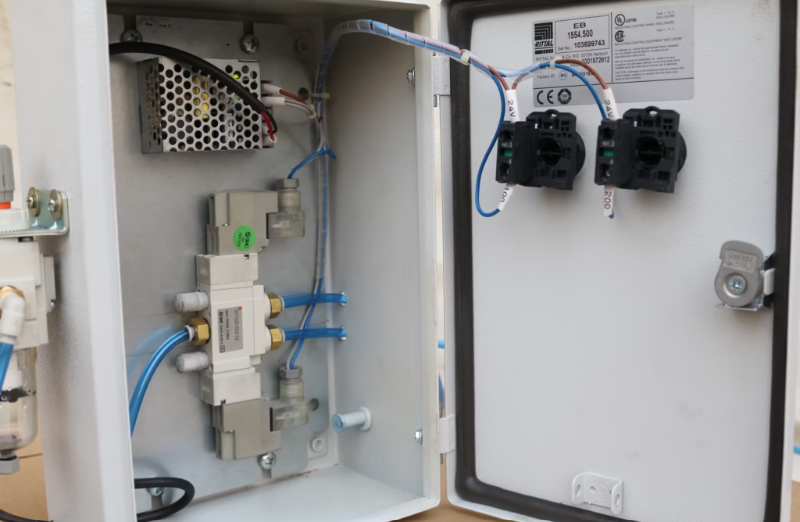
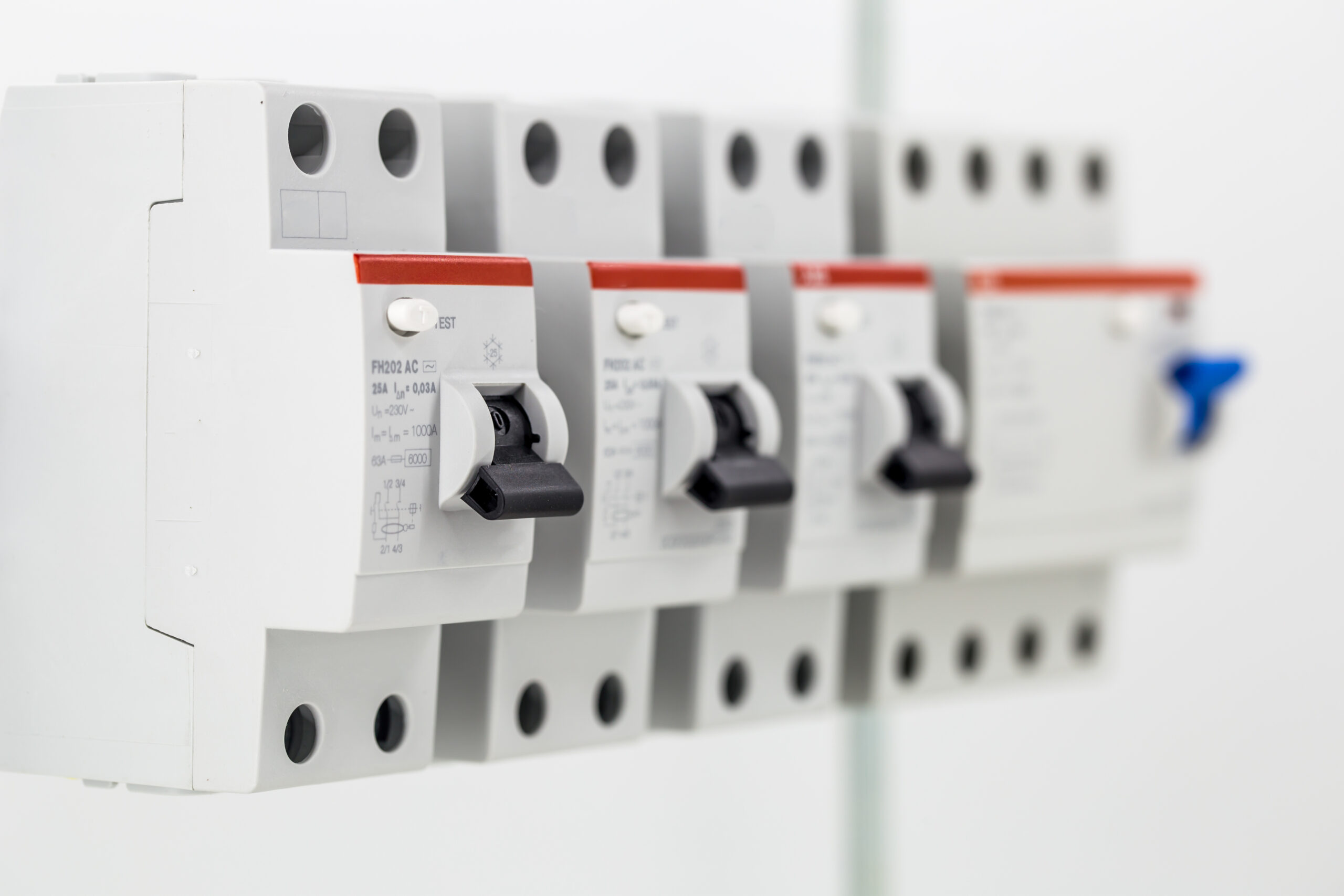
Electrical components should be inspected regularly to avoid unexpected breakdowns. Check wiring, switches, control panels, and emergency stop buttons for proper functioning. Ensure that all safety guards and covers are in place and secure. Keeping the electrical system in good condition improves both machine reliability and operator safety.
Tooling and Accessory Care
Using well-maintained tooling reduces stress on the lathe machine. Inspect cutting tools for wear and replace or regrind them when necessary. Ensure tool holders, chucks, and fixtures are clean and securely mounted. Properly balanced and aligned accessories help reduce vibration and extend machine life.
Monitoring Machine Performance
Pay attention to changes in machine behavior such as unusual noise, vibration, or heat generation. These signs often indicate underlying issues that need immediate attention. Keeping a maintenance log to record inspections, lubrication, and repairs can help track machine condition and plan preventive maintenance.
Scheduled Preventive Maintenance
In addition to daily care, follow a preventive maintenance schedule. This includes checking spindle bearings, replacing worn belts, cleaning internal components, and recalibrating critical parts. Periodic professional servicing can further enhance machine accuracy and longevity.
Proper Operator Training
Well-trained operators play a major role in machine maintenance. Operators should understand correct machine operation, load limits, and maintenance routines. Avoiding misuse and overloading significantly reduces wear and tear, ensuring longer machine life.
Conclusion
Maintaining a lathe machine for long-term use requires consistent cleaning, proper lubrication, regular inspections, and timely repairs. By following a structured maintenance routine and addressing minor issues early, workshops can ensure reliable performance, high accuracy, and extended service life of their lathe machines. A proactive maintenance approach not only saves costs but also supports safe and efficient machining operations.