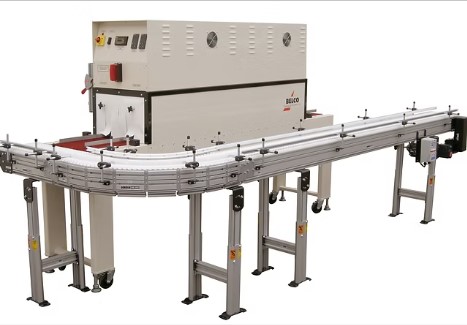
Shrink packaging systems play a crucial role in ensuring product protection, presentation quality, and throughput efficiency. Facilities relying on shrink tunnels must maintain consistent heat distribution, conveyor movement, and material flow to keep production running smoothly. As operations scale, understanding the components that keep these systems functioning becomes essential, especially when facilities depend on specialized equipment found in the center of modern lines, such as Belco tunnel parts, which directly impact performance and long-term reliability.
The Importance of Knowing Your Shrink Tunnel Components
Shrink tunnels are engineered to apply controlled heat to shrink film around products. Each element inside the tunnel contributes to how well the film conforms to the product and how efficiently the line operates. When a facility understands its tunnel’s components, it becomes easier to troubleshoot performance issues, reduce downtime, and maintain packing consistency.
Heat System Components
The heating elements and temperature controllers are responsible for maintaining the correct heat levels inside the tunnel. Over time, wear and residue buildup can cause fluctuations that lead to improper shrinking or slowed production. Knowing what parts require regular inspection helps prevent inconsistent results.
Conveyor and Belt Systems
The conveyor belt carries products through the heated chamber. Belts must remain aligned, smooth, and durable to withstand continuous exposure to heat. Replacing worn belts quickly increases efficiency and reduces the risk of jams. Many facilities source mid-grade and premium options from the same suppliers that offer Belco tunnel parts because these belts are engineered for longevity and consistent motion.
Why Understanding Belco Tunnel Components Improves Efficiency?
Belco shrink tunnels are known for durability and precision performance. Their components are designed to handle high-volume operations, but like all mechanical parts, they require upkeep. A well-informed facility can plan maintenance proactively rather than reactively.
Predictive Maintenance Advantages
When operators understand how each part works, they can identify early warning signs of wear. A small vibration in the belt, a minor temperature irregularity, or a noise from the motor housing often indicates a part nearing the end of its life. Addressing these issues early prevents unexpected downtime.
Cost Savings From Timely Replacement
Knowing exactly which component needs replacement helps avoid unnecessary spending. Instead of replacing entire assemblies, facilities can purchase individual parts designed for Belco systems. This level of familiarity also reduces diagnosis time, making repairs faster and more budget-friendly.
Improved Worker Productivity
When machines run smoothly, workflow becomes predictable, and employees can focus on production instead of troubleshooting. Operators trained to understand the key functions of Belco tunnel parts can make quick adjustments that keep the line moving without waiting for maintenance teams.
The Role of Belco Tunnel Components in Product Quality
Consistent temperature, balanced airflow, and steady conveyor movement all affect how well shrink film conforms to products. Poorly maintained tunnels often produce uneven seals, wrinkles, or weak shrink patterns.
Enhancing Packaging Appearance
For industries where product presentation influences customer perception, well-functioning tunnel systems make a significant difference. Uniform heat application ensures clean, tight wraps that protect products and enhance shelf appeal.
Ensuring Protection During Transport
Well-maintained tunnels help maintain package integrity during shipping. If parts inside the tunnel are worn or functioning inaccurately, the film may not conform properly, leading to loose packages that shift or open during transit. Facilities that stay informed about replacing Belco tunnel parts avoid these risks.
Conclusion
Every packaging facility benefits from knowing how shrink tunnel components work and how to maintain them for consistent results. Understanding the parts that keep these systems running reduces downtime, increases product protection, and supports smoother operations across the production floor. As facilities plan equipment upkeep and future upgrades, maintaining access to reliable tool box parts helps ensure continued performance and efficiency.