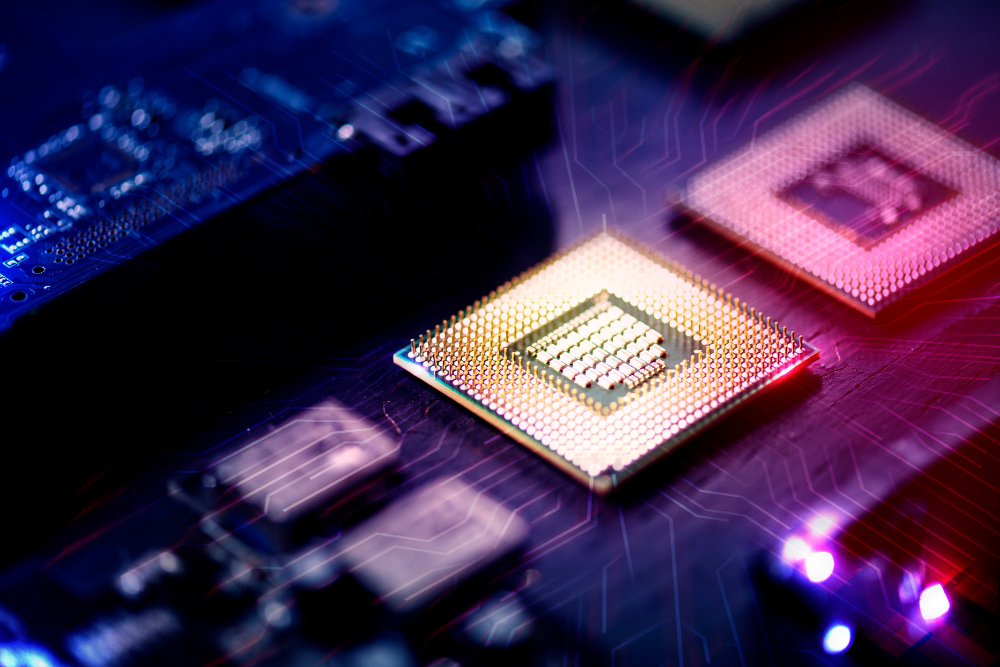
In today’s digital-driven world, servers form the backbone of enterprise IT infrastructure, cloud platforms, data centers, and high-performance computing environments. At the core of these servers lies a powerful processing engine that determines speed, reliability, scalability, and efficiency. Among the most trusted and widely used server processors in the industry are Intel Xeon processors. Designed specifically for server workloads, Xeon processors for servers deliver exceptional performance, enterprise-grade reliability, and advanced features that meet the demanding requirements of modern businesses.
This blog explores what Xeon processors are, their key features, benefits, use cases, and why they are the preferred choice for server environments.
What Are Xeon Processors?
Intel Xeon processors are high-performance CPUs engineered for servers, workstations, and data center environments. Unlike consumer-grade processors, Xeon CPUs are optimized for multitasking, virtualization, large-scale data processing, and continuous 24/7 operations. They support advanced technologies such as error-correcting memory (ECC), multiple cores, high thread counts, and large cache sizes, making them ideal for mission-critical applications.
Xeon processors are available in multiple series and generations, catering to a wide range of workloads—from entry-level servers to enterprise-class and cloud-scale systems.
Key Features of Xeon Processors for Servers
1. High Core and Thread Count
Xeon processors are designed with multiple cores and threads to handle parallel workloads efficiently. This enables servers to process large volumes of data simultaneously, improving overall performance and responsiveness.
2. Enterprise-Grade Reliability
Reliability is crucial in server environments where downtime can result in significant financial losses. Xeon processors support ECC memory, which detects and corrects memory errors, ensuring data integrity and system stability.
3. Scalability and Multi-Socket Support
Many Xeon processors support multi-socket configurations, allowing multiple CPUs to work together in a single server. This scalability makes Xeon an excellent choice for growing businesses and evolving IT infrastructures.
4. Advanced Security Features
Intel Xeon processors integrate advanced security technologies such as Intel Software Guard Extensions (SGX), hardware-based encryption, and secure boot capabilities. These features help protect sensitive data and defend against cyber threats.
5. Virtualization Optimization
Xeon processors are optimized for virtualization with technologies like Intel VT-x and VT-d. These capabilities allow businesses to run multiple virtual machines on a single server, improving resource utilization and reducing hardware costs.
6. Energy Efficiency and Performance Optimization
Modern Xeon processors are built with advanced manufacturing technologies that enhance performance per watt. This helps data centers reduce power consumption while maintaining high computing performance.
Benefits of Using Xeon Processors in Servers
Enhanced Performance for Enterprise Workloads
Xeon processors deliver exceptional performance for demanding workloads such as databases, cloud computing, artificial intelligence, and big data analytics. Their multi-core architecture ensures faster processing and reduced latency.
Improved System Stability and Uptime
With enterprise-grade reliability features, Xeon processors minimize system failures and ensure consistent performance. This makes them ideal for mission-critical applications where uptime is essential.
Future-Proof Scalability
As business needs grow, servers powered by Xeon processors can be upgraded or expanded easily. Their scalability ensures long-term value and adaptability to changing workloads.
Cost Efficiency in the Long Run
While Xeon processors may have a higher initial cost compared to consumer CPUs, they offer superior performance, reliability, and longevity. This results in lower total cost of ownership (TCO) over time.
Versatility Across Industries
Xeon processors are used across various industries, including finance, healthcare, e-commerce, telecommunications, research, and cloud service providers. Their versatility makes them suitable for a wide range of server applications.
Common Use Cases of Xeon Processors
Data Centers and Cloud Computing
Xeon processors are widely used in data centers and cloud platforms due to their ability to handle massive workloads, virtualization, and scalability requirements.
Enterprise Applications
From ERP systems to CRM platforms, Xeon-powered servers deliver the performance and reliability needed for enterprise software applications.
High-Performance Computing (HPC)
Research institutions and scientific organizations rely on Xeon processors for simulations, modeling, and complex calculations.
Virtualization and Hyper-Converged Infrastructure
Xeon processors enable efficient virtualization, allowing organizations to consolidate multiple workloads onto fewer physical servers.
AI and Machine Learning
With support for advanced instruction sets and acceleration technologies, Xeon processors are increasingly used in AI and machine learning workloads.
Why Choose Xeon Processors for Servers?
Choosing the right processor is critical for building a robust server infrastructure. Xeon processors stand out due to their enterprise-focused design, advanced features, and proven reliability. Whether you are running a small business server or a large-scale data center, Xeon processors provide the performance and stability required to support modern IT environments.
Moreover, Intel continues to innovate with new generations of Xeon processors, offering improved performance, enhanced security, and better energy efficiency. This ongoing evolution ensures that Xeon remains a future-ready solution for server computing.
Conclusion
Xeon processors for servers represent the perfect balance of performance, reliability, scalability, and security. Their advanced architecture and enterprise-grade features make them a top choice for businesses that demand high-performance computing and uninterrupted operations. From cloud computing and virtualization to data analytics and AI workloads, Xeon processors empower organizations to build powerful and efficient server infrastructures.
If you are looking to upgrade or build a server system, investing in Xeon processors can significantly enhance your IT performance and long-term operational efficiency. With their proven track record and cutting-edge technology, Xeon processors continue to be the backbone of modern server environments.