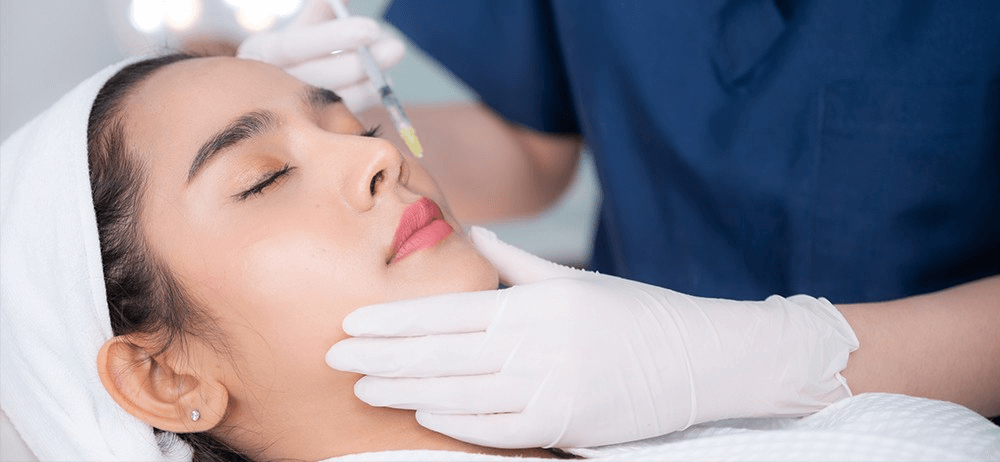
Fat injection, also known as fat grafting or fat transfer, is a versatile cosmetic procedure that uses a patient’s own fat to restore volume, enhance contours, and rejuvenate various areas of the body. Fat Injections in Abu Dhabi are a popular choice for those seeking natural and long-lasting results. While the procedure itself is minimally invasive and generally well-tolerated, proper aftercare plays a significant role in ensuring optimal results, maximizing fat survival, and maintaining comfort during the recovery period. Understanding what aftercare involves helps patients achieve natural-looking, long-lasting outcomes and minimizes complications during the healing process.
Why Aftercare Matters
Aftercare is crucial for several reasons. First, fat injection relies on the survival of transferred fat cells. These cells require a stable environment, adequate blood supply, and minimal trauma to integrate successfully with surrounding tissue. Proper care supports the healing process, reduces swelling and bruising, and helps ensure that the maximum number of fat cells survive.
Second, post-procedure care contributes to patient comfort. Swelling, tenderness, and mild bruising are common after fat injection, and following recommended aftercare measures helps minimize these temporary effects. Finally, careful care reduces the risk of contour irregularities or asymmetry, supporting the overall aesthetic outcome.
General Guidelines for Fat Injection Aftercare
Protect the Treated Area
After fat injection, it is important to protect the treated area from excessive pressure or trauma. Whether the procedure was performed on the face, hands, lips, or body, avoiding contact, rubbing, or heavy movement allows the transferred fat to settle and integrate with surrounding tissue.
For facial procedures, this may mean sleeping on your back and avoiding pressure from pillows. For body areas such as the buttocks or calves, avoiding prolonged sitting or tight clothing in the early healing period supports fat survival.
Manage Swelling and Bruising
Swelling and bruising are normal after fat injection. Applying gentle cold compresses in the first 24–48 hours, if recommended, can help reduce swelling and provide comfort. Over time, swelling gradually subsides, revealing the initial results. Elevating the treated area, when possible, may also help minimize fluid accumulation and enhance comfort.
Follow Activity Recommendations
Strenuous exercise or heavy lifting should be avoided in the days following the procedure. High-impact movements or intense activity can increase blood flow, elevate swelling, and potentially disrupt newly transferred fat cells. Light activity is generally encouraged, but it is important to follow specific guidance regarding when more vigorous movement can be resumed.
Maintain Proper Skin Care
For facial or hand treatments, gentle cleansing and moisturizing help maintain skin health and support recovery. Avoiding harsh treatments, scrubs, or exfoliation in the treated area during the early healing period reduces irritation and ensures the skin remains in optimal condition for fat integration.
Monitor for Changes
Observing the treated area regularly allows patients to detect any unexpected changes early. Mild redness, tenderness, or swelling is normal, but sudden or severe discomfort, unusual lumps, or prolonged bruising should be noted and discussed with the practitioner if needed. Monitoring ensures timely attention if any irregularities arise.
Special Considerations for Donor Sites
Fat injection requires harvesting fat from donor areas such as the abdomen, thighs, or flanks. These sites may experience mild discomfort, bruising, or swelling after the procedure. Supporting the donor site with compression garments, if recommended, and avoiding strenuous activity helps the area heal smoothly. Light walking or gentle movement can enhance circulation without stressing the tissue.
Dietary and Lifestyle Considerations
While there are no strict dietary requirements, maintaining a healthy lifestyle supports healing and fat survival. Adequate hydration, balanced nutrition, and avoiding smoking or excessive alcohol consumption help optimize circulation, tissue repair, and overall recovery.
Additionally, sleeping well and minimizing stress contributes to the body’s natural healing processes, supporting the long-term success of fat injection.
Timeline of Recovery and Aftercare
-
First 24–48 hours: Mild swelling and tenderness are most noticeable; gentle cold compresses can provide comfort.
-
First week: Swelling gradually decreases, bruising begins to fade, and tender areas become more comfortable.
-
Two to four weeks: Most swelling resolves, and the transferred fat begins to stabilize. Normal activities can generally resume gradually.
-
Three to six months: Fat integrates fully with surrounding tissue, and final results become evident. Additional sessions, if needed, can be planned at this stage.
Frequently Asked Questions About Fat Injection Aftercare
Do I need to avoid touching the treated area?
Yes. Avoiding pressure, rubbing, or trauma helps the transferred fat cells survive and settle properly.
Can I exercise after fat injection?
Light activity is usually allowed, but strenuous exercise or heavy lifting should be avoided for the first few days to weeks, depending on the treated area.
Should I use special creams or ointments?
Gentle moisturizing and sun protection support healing, but harsh products or aggressive treatments should be avoided in the early recovery phase.
How long does swelling last?
Swelling is most noticeable in the first few days and gradually diminishes over one to two weeks, with final results appearing over several months.
Do donor areas require special care?
Yes. Supporting donor sites with light compression, avoiding strenuous activity, and monitoring for bruising or tenderness ensures smooth recovery.
Benefits of Proper Aftercare
-
Maximizes Fat Survival: Careful handling of treated and donor areas improves the likelihood that transplanted fat integrates successfully.
-
Reduces Discomfort: Following aftercare instructions minimizes soreness, swelling, and bruising.
-
Enhances Results: Proper care helps prevent contour irregularities, asymmetry, or migration of fat cells.
-
Supports Overall Healing: Healthy lifestyle and attentive care facilitate tissue recovery and improve the long-term outcome.
Conclusion
Fat injection is a safe and effective procedure for facial, hand, and body rejuvenation, but proper aftercare is essential to achieve optimal results. Protecting the treated and donor areas, managing swelling and bruising, following activity recommendations, and maintaining healthy habits all contribute to the survival of transferred fat and overall comfort during recovery.
By understanding and implementing these aftercare guidelines, patients can ensure natural-looking, long-lasting results while minimizing discomfort and supporting the body’s healing process. Careful attention in the days and weeks following fat injection sets the foundation for a successful outcome, allowing patients to enjoy the full aesthetic benefits of this versatile cosmetic procedure.