Packaging today is no longer about using the thickest box or the heaviest wrap available. Businesses have learned that heavier does not always mean safer. What matters more is how intelligently materials are used. Lightweight packaging has slowly become the preferred choice because it balances protection, cost, and efficiency without adding unnecessary bulk.
As shipping volume grows and delivery timelines tighten, packaging materials are expected to be more with less. They must protect products that move easily through warehouses and work smoothly with modern packaging systems. That is why lightweight packaging materials are now shaping the way secure packaging is done across industries.
Why Has Lightweight Packaging Become So Important?
One of the biggest reasons is cost. Heavier packaging increases shipping costs, handling effort, and storage space requirements. Lightweight materials reduce overall shipment weight, which directly affects transportation expenses.
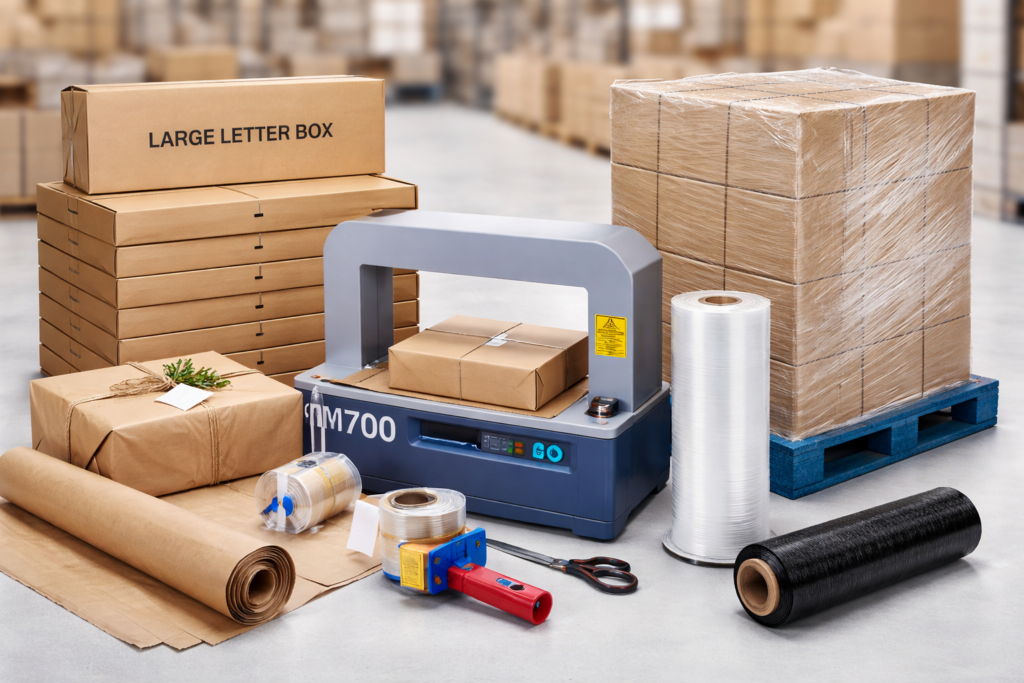
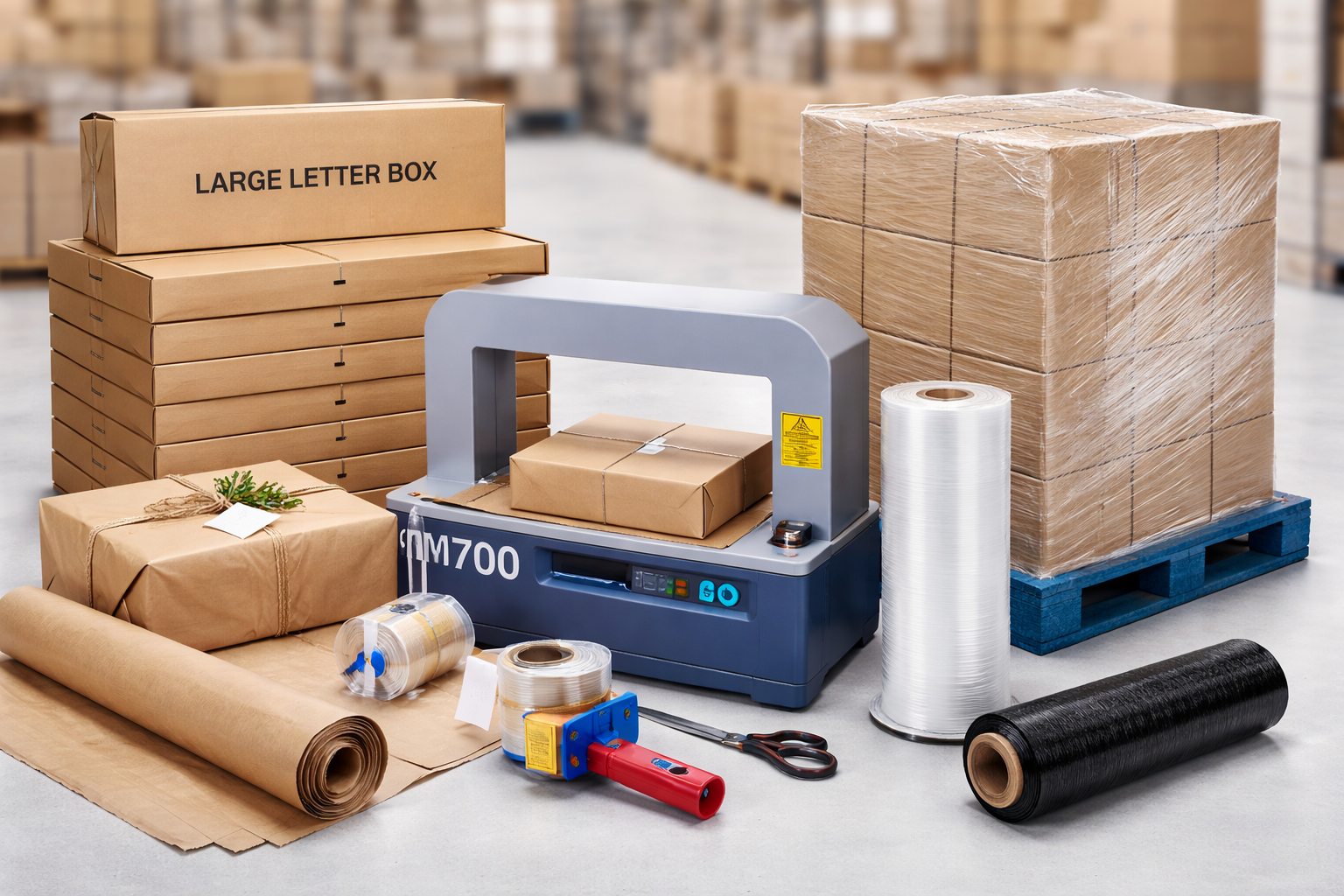
Another reason is speed. Faster packaging and unpacking matter, especially when businesses are handling large order volumes. Lightweight materials are easy to cut, wrap, seal, and dispose of. They also work better with automated and semi-automated tools. Even with heavier equipment, such as the OM 700 tape machine, the materials themselves must be flexible and efficient to ensure smooth operation.
How Do Large Letter Boxes Support Secure Lightweight Packaging?
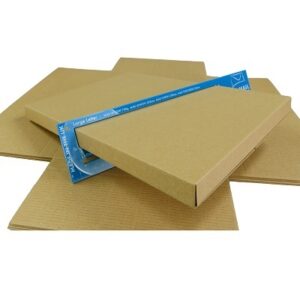
Large letter boxes are a good example of how packaging has become smarter rather than heavier. These boxes are designed to meet postal size limits while still providing enough rigidity to protect the contents.
They are commonly used for documents, flat items, printed materials, and compact products. Because large letter boxes are lightweight, they reduce unnecessary volume and help avoid over-packaging. This makes them ideal for businesses that won’t be secure without paying for extra weight.
Another advantage is consistency. These boxes are easy to stack, store, and assemble, which improves packaging speed and reduces handling errors.
Why Is Pallet Wrap Still Widely Used Despite Being Lightweight?
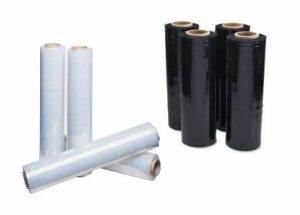
Pallet wrap remains one of the most reliable materials in logistics. Although it is lightweight, it plays a critical role in securing goods during storage and transit.
Pallet wrap tightly holds product together on a palette, preventing shifting or toppling. It also provides basic protection against dust and moisture. Because it stretches, less material is needed to achieve a firm hold, keeping packaging lightweight without compromising safety.
In many warehouses, pallet wrap is applied manually or with machines. The lightweight wrap works efficiently with modern equipment, ensuring stable loads without slowing operations.
What Makes Kraft Paper Rolls Relevant in Today’s Packaging?
Kraft paper rolls have regained popularity because they solve multiple problems at once. They are light, flexible, and easy to handle yet strong enough to provide cushioning and surface protection.
These rolls are often used to wrap individual items, fill empty spaces in boxes, or separate products during transit. Kraft paper rolls help prevent scratches and movement while keeping packaging weight low.
Their adaptability is another reason they are trending. A single role can be used in multiple ways, which reduces the need for different materials. This simplicity is especially useful in fast-paced packing environments.
How Does Pallet Stretch Wrap Improve Load Security?
Pallet stretch wrap is designed to wrap tightly around goods, creating a firm, stable load. Because it stretches significantly, less material is needed compared to older wrapping methods.
This makes pallet stretch wrap both lightweight and practical. It reduces the risk of product shifting during transport, lowering the chance of damage. At the same time, it keeps pallets compact and easier to handle.
Stretch wrap also works well with smart tools and automated systems. While a machine like an OM700 tape machine is not lightweight, it represents how technology supports the use of lighter materials by improving consistency and control.
Are Smart Packaging Tools Influencing Material Choices?
Absolutely. Modern packaging tools are designed to work best with materials that are easy to apply and manage. Smart devices focus on accuracy, speed, and reduced waste.
Heavier machines, such as automated tape or sealing systems, allow businesses to use lightweight materials more effectively. Instead of adding layers for security, these tools ensure precise application. This reduces material use while maintaining strong packaging performance.
As a result, lightweight packaging materials are becoming the natural choice in operations that rely on smart equipment.
How Do These Lightweight Materials Work Together?
Secure packaging is rarely about a single material. It is about combining the right materials for the right purpose. Large Letter Boxes provide structure; Kraft paper rolls add cushioning; pallet wrap holds loads together; and pallet stretch wrap ensures stability.
Each material has a specific role. When used together, they create a packaging system that protects goods, saves space, and reduces weight. This layered approach allows flexibility without compromising security.
Final Thoughts
Lightweight packaging materials are trending because they make practical sense. They reduce costs, improve efficiency, and work seamlessly with modern tools and processes. Materials like Large Letter Boxes, pallet wrap, Kraft paper rolls, and pallet stretch wrap show that secure packaging does not need to be heavy to be effective.
With the support of smart devices and better packaging strategies, lightweight materials are becoming the standard rather than the exception. They allow businesses to protect products properly while keeping packaging simple, efficient, and adaptable to changing demands.