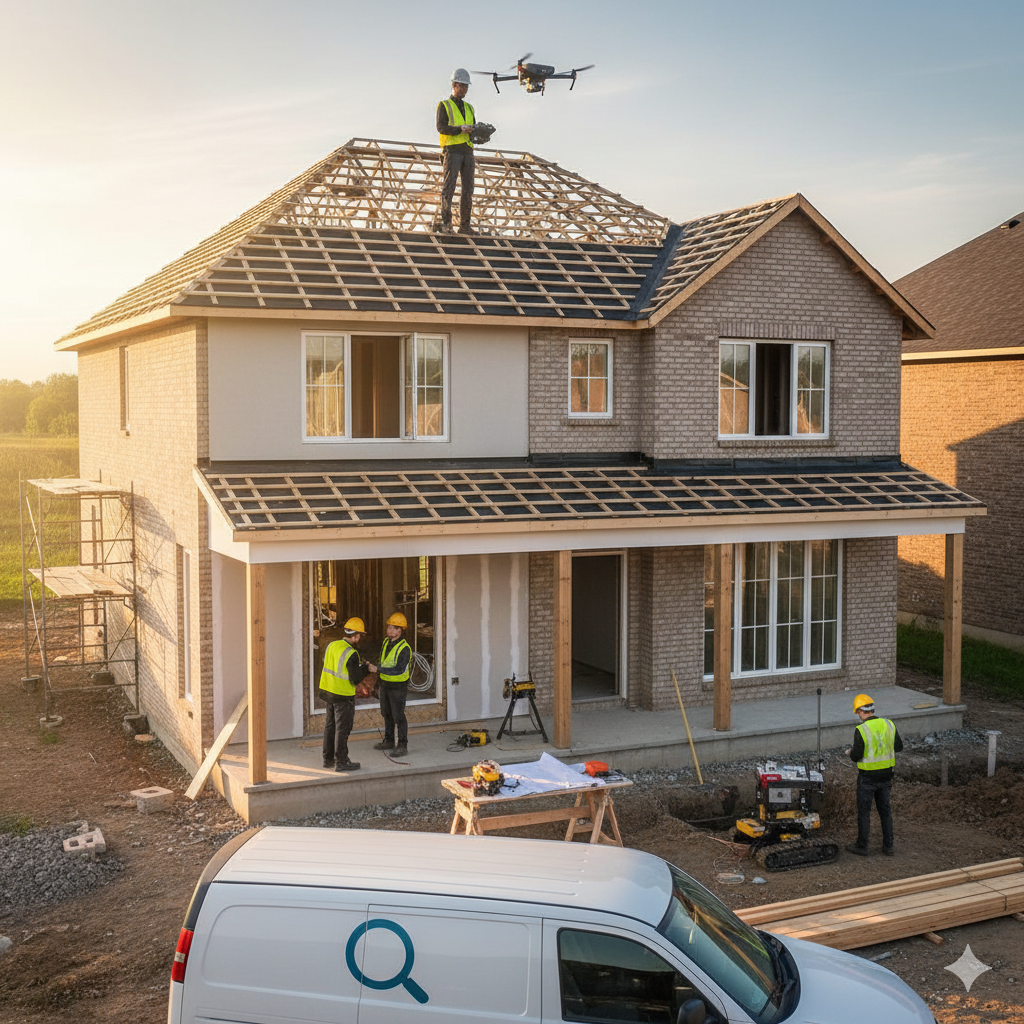
I have walked through enough houses to know this much: a home will tell you the truth if you know how to listen. A home inspection is not about hunting for flaws or scaring buyers. It is about slowing down and paying attention to the quiet signals a house gives off. The creak in the floor, the faint stain near a vent, the way a door hesitates before it closes. This blog breaks down what inspectors consistently focus on and why those details matter far more than fresh paint or staging ever will.
What You Will Learn:
- How inspectors read foundations beyond surface cracks
- What the roof and attic reveal about past neglect or care
- Why electrical systems often raise the biggest questions
- Where plumbing problems usually leave clues
- How heating and cooling systems are judged realistically
- Which safety details are never brushed asid
- Why is moisture treated like an early warning, not a minor issue
1. Foundation and Structural Condition
Every inspection starts with the bones of the house. I once inspected a place that looked flawless inside, with new floors, clean walls, and even a faint smell of fresh paint. Then you stepped outside and noticed uneven soil lines and a crack that widened as it ran. Inspectors look for patterns like that. Small cracks are common. Cracks that tell a story of movement are not. Sloping floors, doors that fight you, or windows that refuse to stay open usually point to something deeper going on.
2. Roofing and Attic Evaluation
Roofs rarely fail all at once. They give plenty of warning if someone is paying attention. Inspectors check shingles and flashing, but the attic is where the truth lives. Poor ventilation, damp insulation, or darkened wood often show problems long before water drips through a ceiling. I have seen homes where the roof looked fine from the street, but the attic smelled like wet cardboard. That never ends well.
3. Electrical System Review
Electrical systems are one of those areas where shortcuts show up fast. Inspectors open panels, trace wiring, and test outlets, looking for mismatched components or overloaded circuits. Older homes, especially, tend to have layers of fixes from different decades. Some were done carefully. On the other hand, some were carried out over the weekend with the best of intentions, but with poor guidance. Safety always comes first here.
4. Plumbing and Water Systems
Water has a way of leaving fingerprints behind. Inspectors look at pipes, water heaters, fixtures, and drains, but they also pay attention to stains, corrosion, and pressure changes. Not every leak is active on inspection day. Some announce themselves through warped cabinets or chalky buildup around fittings. Those small signs often point to long-running issues.
5. Heating, Cooling, and Ventilation
HVAC inspections are practical by nature. Inspectors test how systems respond, not how impressive they look. A unit can turn on and still be nearing the end of its life. Uneven airflow, loud startup noises, or inconsistent temperatures often matter more than the brand on the label. Age and maintenance history carry a lot of weight here.
6. Interior and Exterior Safety Features.
This section of the inspection is usually easy, but it is more important than it may appear. Some of the common safety-related sundry details noted by the inspectors include:
- Properly placed solid railings in stairways.
- Easy opening windows and visible exits.
- GFCI outlets at kitchen, bathrooms, and other wet places.
- Operable smoke and carbon monoxide sensors.
These are the specifics that influence everyday life, as well as long-term liability, not only inspection reports.
7. Moisture, Mold, and Environmental Indicators
Moisture is treated with respect because it never stays in one place. Inspectors look for visible mold, musty smells, condensation, and poor airflow. I have seen newer homes with moisture issues simply because ventilation was an afterthought. Mold does not need decades to appear. It just needs the right conditions and a little time.
Conclusion
A solid inspection replaces guesswork with understanding. Buyers who schedule a Home Building Inspection in Shasta County residents rely on often come away feeling calmer, not more anxious, because they finally know what they are dealing with. The same holds for Residential Home Inspections, Tehama County homeowners count on when making serious decisions.
An experienced company like Walker’s Home Inspections LLC. looks at a house as a living system, not a checklist. The goal is clarity, not drama.
If you are buying or selling and want a dependable Home Building Inspection in Shasta County that homeowners trust, now is the moment to move forward. You can schedule your inspection, put questions, and make your decision to make your next decision with certainty that is founded on actual knowledge.