In modern industries, efficiency, reliability, and automation are critical for success. One of the most essential tools for achieving streamlined operations is a belt conveyor. Belt conveyors are widely used in manufacturing, warehousing, food processing, and logistics to transport materials quickly and safely. However, choosing the right belt conveyor for your business can be challenging due to the variety of types, materials, and configurations available. This guide will help you understand key factors to consider, ensuring you select a conveyor that meets your operational needs.
Why a Belt Conveyor is Essential for Your Business
Belt conveyors simplify material handling by automating the movement of goods, reducing manual labor, and improving workflow. Some benefits include:
- Increased Efficiency: Continuous movement of materials reduces processing time and speeds up operations.
- Safety: Minimizes workplace injuries by reducing manual lifting and carrying.
- Versatility: Suitable for various industries, including manufacturing, packaging, and distribution.
- Cost-Effective: Reduces labor costs while enhancing productivity.
Understanding the advantages of belt conveyors helps businesses recognize the importance of investing in the right system.
Key Factors to Consider When Choosing a Belt Conveyor
Selecting the right belt conveyor requires careful evaluation of your operational needs, material types, and facility layout. Here are the essential factors:
1. Material Type and Weight
The type of material you need to transport—whether raw materials, packaged goods, or heavy industrial products—plays a significant role in determining the right conveyor:
- Weight Capacity: Ensure the conveyor can handle the maximum load without straining the motor or belt.
- Material Properties: Sticky, wet, or abrasive materials may require specialized belts such as rubber, PVC, or stainless steel.
- Product Size and Shape: The dimensions and consistency of products affect belt width and speed selection.
2. Conveyor Length and Layout
Consider the distance and path materials need to travel:
- Straight vs. Inclined: Straight conveyors are ideal for short distances, while inclined or declined conveyors move materials between different levels.
- Facility Space: Ensure the conveyor fits within your workspace without obstructing other operations.
- Custom Layouts: Some businesses require curved, modular, or multi-level conveyors to optimize space utilization.
3. Belt Type and Material
The belt itself is the heart of the conveyor system. Choosing the right belt ensures durability and efficiency:
- PVC Belts: Lightweight and cost-effective, suitable for packaging or food products.
- Rubber Belts: Durable and ideal for heavy-duty industrial applications.
- Modular Belts: Flexible and easy to maintain, suitable for varied layouts.
- Food-Grade Belts: Designed for hygiene, easy cleaning, and compliance with regulations in food processing.
4. Motor and Speed
The motor determines the conveyor’s performance:
- Power Rating: Must match the load and belt size to avoid frequent breakdowns.
- Adjustable Speed: Variable speed motors provide flexibility for different production rates.
- Energy Efficiency: Modern motors consume less power, reducing operating costs.
5. Maintenance and Durability
A durable and low-maintenance conveyor reduces downtime and repair costs:
- Frame Material: Stainless steel or heavy-duty steel ensures long-term durability.
- Ease of Access: Designs that allow easy belt replacement and maintenance save time.
- Warranty and Support: Choose a supplier that offers reliable after-sales support.
6. Safety Features
Safety is critical in any industrial environment. Look for:
- Emergency Stop Mechanisms: Quick shutdown to prevent accidents.
- Protective Guards: Shields to prevent contact with moving parts.
- Non-Slip Surfaces: Reduces risks when handling materials manually.
Tips for Choosing the Right Supplier
Selecting the right manufacturer or supplier ensures that you receive a high-quality, reliable belt conveyor:
- Industry Experience: Choose a supplier experienced in your industry and material type.
- Custom Solutions: Look for companies that offer tailored designs for your facility and workflow.
- Quality Assurance: Verify the supplier follows strict manufacturing standards and provides certifications.
- After-Sales Support: Ensure they provide installation, maintenance, and troubleshooting support.
Conclusion
Choosing the right belt conveyor for your business is essential for achieving efficient, safe, and cost-effective operations. By carefully evaluating factors such as material types, conveyor length, belt materials, motor specifications, maintenance needs, and safety features, you can select a system that enhances productivity and minimizes downtime. Partnering with a reliable supplier ensures long-term performance and support, making your investment worthwhile.
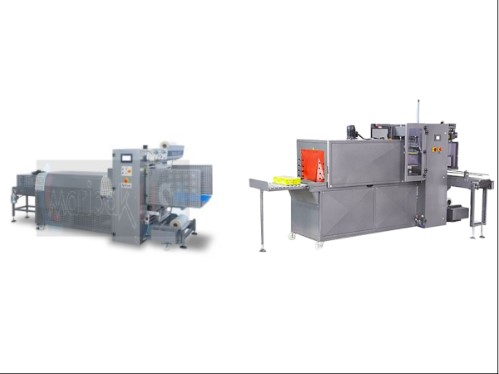
For businesses involved in packaging and logistics, integrating your belt conveyor with shrink film bundling equipment can take efficiency to the next level. This combination streamlines product handling, simplifies packaging processes, and reduces manual labor, allowing your operations to run smoothly and consistently.