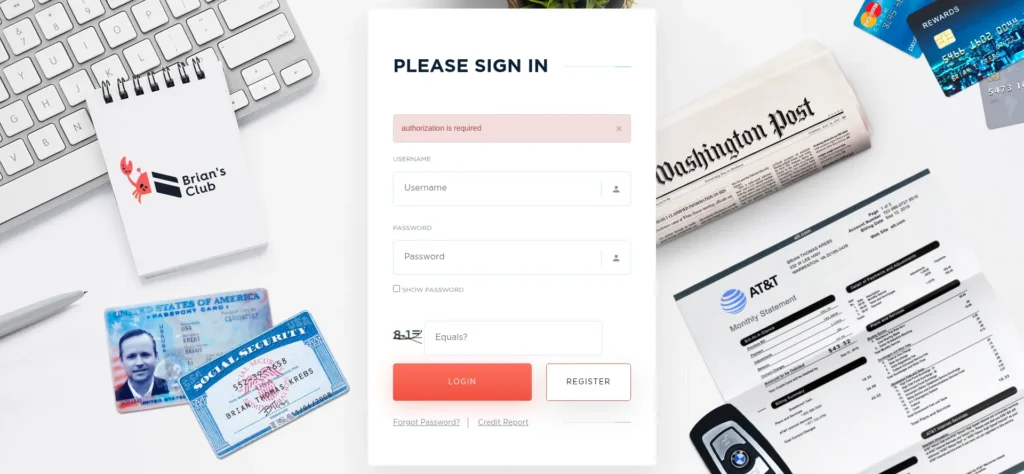
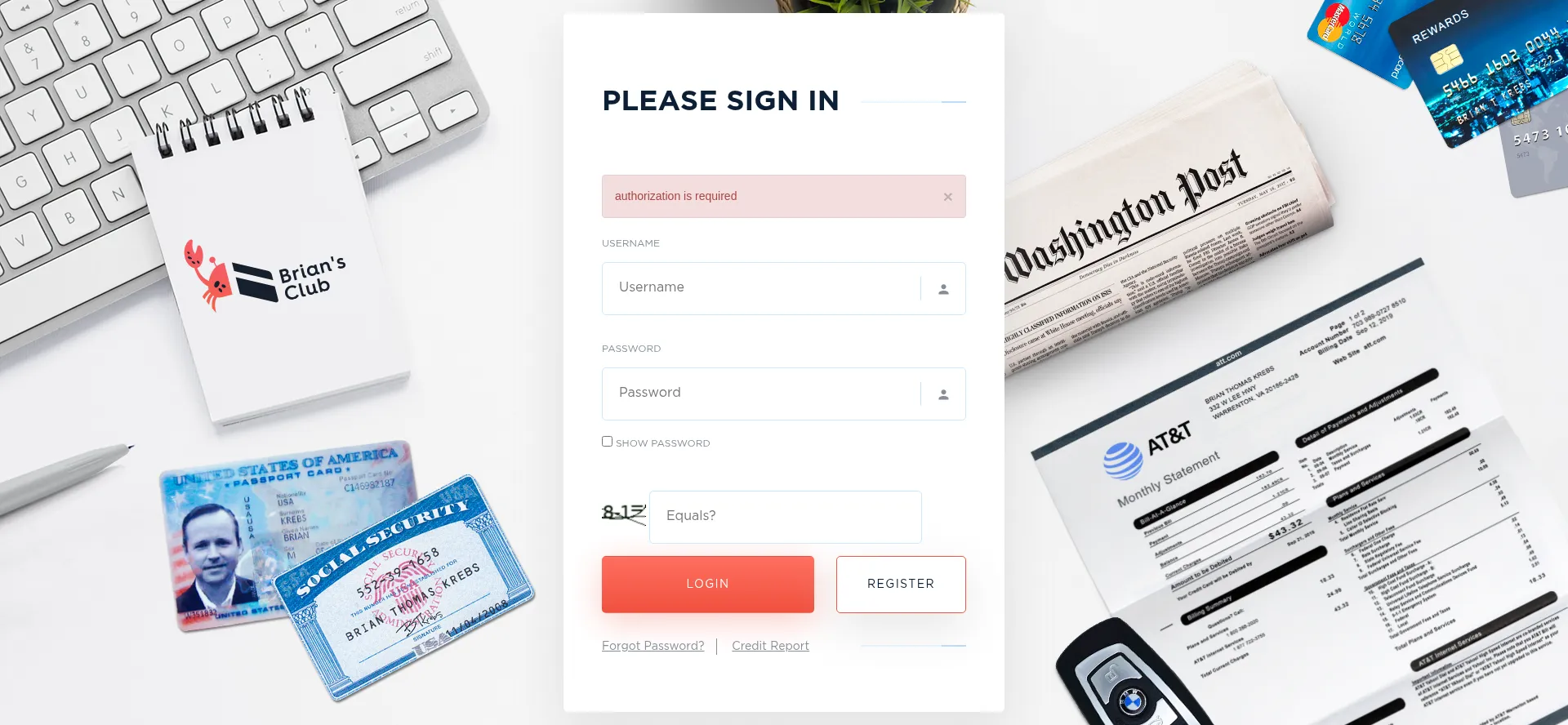
In today’s digital world, curiosity about platforms like bclub.mobi is growing. Many discussions online link this name to dumps, RDP access, and CVV2 shop activity. While these words might seem technical or even exciting, they carry risks that most people don’t fully understand. This article will explain what bclub.mobi is associated with, why it is considered risky, and how understanding these terms can help you make safer choices.
The main reason bclub.mobi attracts attention is the promise of “access.” Access in digital terms often implies control over systems, data, or financial resources. While that may sound appealing, access without permission is never safe. It can expose users to scams, malware, and even legal consequences. Many people do not realize that what appears to be a shortcut or advantage can quickly become a source of serious trouble.
To understand the risks, it is important to break down the keywords often linked to bclub.mobi. The first is “dumps.” Dumps usually refer to stolen card information that is obtained through hacking, malware, or data breaches. While the term sounds abstract, the consequences are very real. Cardholders face blocked accounts, fraudulent charges, and financial stress. Banks and payment systems constantly monitor for suspicious activity, which increases the risk for anyone handling this data.
Another term closely associated with bclub.mobi is “RDP access.” Remote Desktop Protocol, or RDP, is a legitimate tool that allows users to control computers remotely. Businesses use RDP for IT management, but the problem arises when access is obtained or sold illegally. Unauthorized RDP access can expose sensitive business information, private documents, and personal data. In many countries, using or selling unauthorized RDP access is considered a serious cybercrime with strict legal consequences.
The third term, “CVV2 shop,” is equally concerning. CVV2 codes are security features designed to protect cardholders during online purchases. Any platform claiming to trade or sell CVV2 information operates outside the law and directly undermines online security. While some people may believe these protections are easy to bypass, financial institutions continually update fraud detection systems, making illegal usage risky and traceable.
One of the biggest dangers reported in discussions about bclub.mobi is scams. Many platforms promise “fresh” data, verified access, or secure information. In reality, users often pay and receive nothing useful. Others get outdated or invalid information that is no longer usable. Because these sites operate outside legal frameworks, there is no support, refund system, or accountability. Users are left vulnerable to losing money and being exposed to further risks.
Malware is another hidden danger tied to platforms like bclub.mobi. Visiting certain pages or downloading files can infect your device with spyware, keyloggers, or scripts that grant attackers remote control. Malware can silently record passwords, monitor online activity, and even steal personal files. Once a device is compromised, recovery is often difficult and expensive.
Privacy is also a major concern. Even if platforms claim anonymity, many still collect IP addresses, device fingerprints, and browsing behavior. This information can be sold, leaked, or used in future cyber attacks. Ironically, people who believe they are hiding often leave a digital footprint that is much easier to track than they expect.
Legal consequences are a serious factor. Authorities worldwide monitor networks linked to dumps, RDP access, and CVV2 shop activity. Even minor involvement can lead to frozen bank accounts, seized devices, or long investigations. What starts as simple online curiosity can quickly escalate into real-life consequences affecting careers, finances, and personal freedom.
Ethics is another aspect often overlooked. Every stolen card, hacked system, or CVV2 code belongs to a real person or business. Victims spend time repairing damage and disputing charges. Small businesses may lose customer trust due to repeated fraud incidents. By engaging with platforms connected to dumps or CVV2 shops, users indirectly contribute to these harms, even if they never meet the victims personally.
Another problem with platforms like bclub.mobi is instability. Domains change, access disappears, and online communities can vanish overnight. Users who store funds or depend on continuous access often lose everything unexpectedly. This instability makes such platforms unreliable, even for those willing to ignore legal or ethical concerns.
For readers interested in technology rather than risk, there are safer alternatives. Cybersecurity education, ethical hacking, and defensive security research provide real knowledge without breaking laws. Bug bounty programs allow users to earn money by responsibly reporting vulnerabilities instead of exploiting them. These paths offer long-term benefits and professional growth, unlike risky shortcuts.
Everyday internet users can also protect themselves by learning how cybercrime works. Understanding attack methods and risks helps prevent personal devices and accounts from being compromised. Simple habits like strong passwords, two-factor authentication, and keeping software updated dramatically reduce the chance of being targeted. Knowledge becomes a form of protection, turning curiosity into security.
Ultimately, the question around bclub.mobi is not whether it exists or functions but whether participating in dumps, RDP access, or CVV2 shops is worth the risk. For most people, the risks far outweigh any potential short-term benefit. Financial loss, privacy breaches, legal trouble, and ongoing stress are common outcomes for those who venture into these platforms.
In today’s digital environment, the safest and most rewarding opportunities come from learning, transparency, and ethical choices. The internet offers endless ways to grow knowledge and skills without stepping into dangerous territory. Staying informed protects not only individuals but also the larger online community.
By understanding the realities behind bclub.mobi discussions, readers can make smarter, safer decisions. Awareness, ethical thinking, and careful action remain the strongest defenses against cyber risks. Knowledge and caution are always better allies than shortcuts or unverified platforms in the digital world.