Australia Diagnostic Imaging Market Size and Forecast
The Australia Diagnostic Imaging Market is projected to grow from US$ 733.95 million in 2024 to US$ 1,160.25 million by 2033, registering a compound annual growth rate (CAGR) of 5.22% during 2025–2033. According to Renub Research, this steady expansion is being driven by technological advancements in imaging systems, a growing emphasis on early and accurate disease diagnosis, and the increasing prevalence of chronic and age-related disorders across the country. Government-backed digital health initiatives and broad Medicare reimbursement coverage further strengthen the market’s long-term growth trajectory.
Australia Diagnostic Imaging Market: Industry Overview
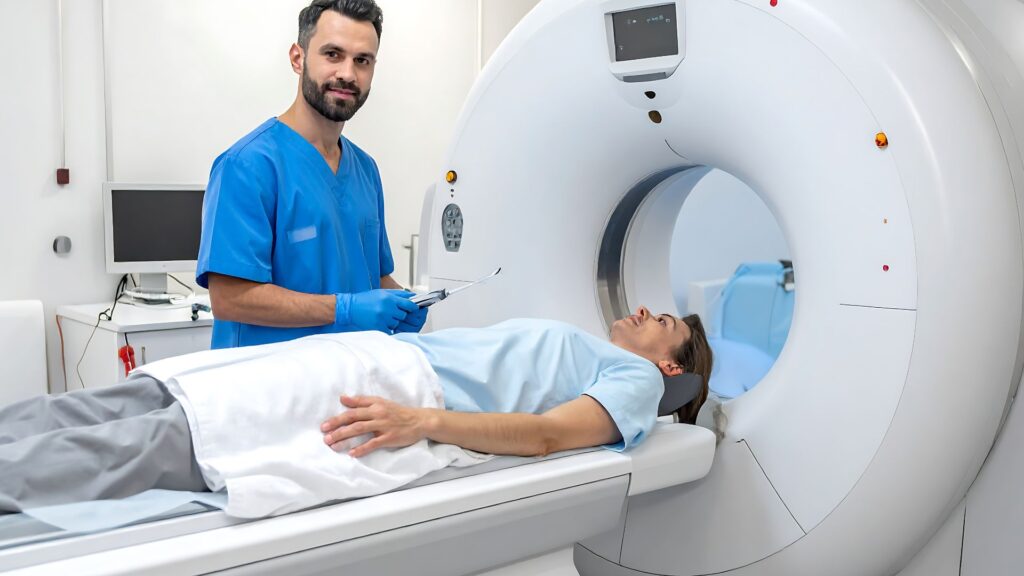
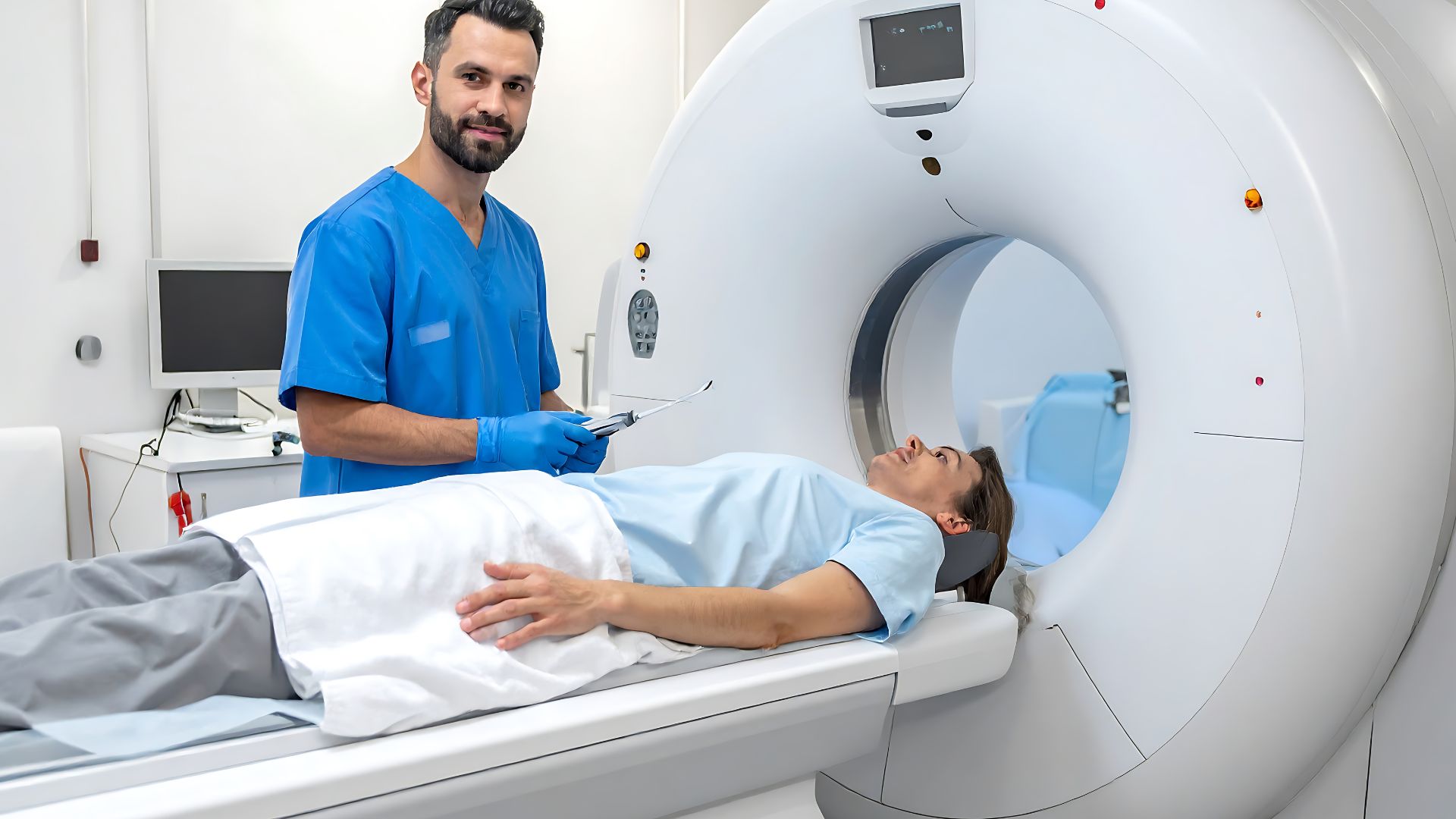
Australia’s diagnostic imaging industry plays a central role in the national healthcare ecosystem, providing essential tools for disease detection, monitoring, and treatment planning. The market encompasses a wide range of modalities, including X-ray, computed tomography (CT), magnetic resonance imaging (MRI), ultrasound, and nuclear imaging. These technologies are widely used across clinical disciplines such as orthopedics, oncology, cardiology, neurology, and abdominal diagnostics.
Market demand continues to rise due to Australia’s aging population and the increasing burden of chronic conditions such as cancer, cardiovascular disease, diabetes, and musculoskeletal disorders. Diagnostic imaging is often the first step in clinical decision-making, making it indispensable for early diagnosis, personalized treatment planning, and long-term disease management.
Technological innovation is reshaping the industry. Developments such as AI-assisted image interpretation, 3D visualization, low-dose imaging, and hybrid imaging systems are improving diagnostic accuracy while enhancing patient safety and workflow efficiency. These advancements are being rapidly adopted by both public hospitals and private imaging providers.
Australia’s diagnostic imaging services are strongly supported by the public healthcare system. Medicare subsidizes a significant portion of imaging procedures, ensuring affordability and encouraging timely diagnosis. At the same time, private providers play a major role in expanding service capacity, particularly in metropolitan areas.
The sector operates within a highly regulated environment under the Diagnostic Imaging Accreditation Scheme (DIAS), which enforces strict quality and safety standards. While regulation ensures high clinical standards, it also raises compliance costs, particularly for smaller and regional providers. Despite these challenges, the market has demonstrated consistent growth and resilience, supported by strong demand fundamentals and ongoing government investment.
Download Free Sample Report:https://www.renub.com/request-sample-page.php?gturl=australia-diagnostic-imaging-market-p.php
Key Factors Driving Growth in the Australia Diagnostic Imaging Market
Rising Prevalence of Chronic and Age-Related Diseases
One of the strongest drivers of market growth is Australia’s aging population and the increasing incidence of chronic diseases. Older adults require more frequent diagnostic monitoring for conditions such as cancer, osteoporosis, cardiovascular disease, and neurological disorders. Imaging technologies are critical for early detection, disease staging, and therapy monitoring, particularly in oncology and cardiology.
As life expectancy increases and lifestyle-related diseases become more common, healthcare providers face growing pressure to deliver faster and more accurate diagnoses. Diagnostic imaging has therefore become a cornerstone of preventive care and long-term disease management, reinforcing its importance within national healthcare strategies.
A notable example of innovation supporting early diagnosis occurred in March 2025, when Body Vision Medical announced that its AI-powered LungVision imaging system received approval from Australia’s Therapeutic Goods Administration (TGA). This milestone highlights how advanced imaging technologies are improving early lung cancer detection and strengthening Australia’s diagnostic capabilities.
Strong Government Support and Medicare Reimbursement
Government support is another critical factor shaping the diagnostic imaging market in Australia. Medicare reimbursement significantly reduces out-of-pocket costs for patients and encourages the widespread use of imaging services. Bulk-billing arrangements ensure equitable access for vulnerable populations, including the elderly and residents of rural and remote regions.
The Australian government has also expanded Medicare item numbers to include newer imaging techniques, accelerating adoption of advanced modalities. Capital funding and grants aimed at modernizing radiology infrastructure and digital systems have further improved service quality and operational efficiency.
These initiatives not only enhance patient outcomes but also stimulate market demand and encourage providers to invest in next-generation imaging equipment. As healthcare funding continues to prioritize early diagnosis and digital integration, diagnostic imaging providers are expected to benefit from sustained policy support.
Integration with Precision Medicine and Advanced Analytics
The growing integration of diagnostic imaging with precision medicine represents a major structural shift in healthcare delivery. Advanced imaging techniques such as PET-CT, functional MRI, and molecular imaging enable clinicians to detect disease at earlier stages and tailor treatments to individual patient profiles.
Imaging data is increasingly combined with genetic, laboratory, and clinical information to guide personalized therapies, particularly in oncology, cardiology, and neurology. This convergence is accelerating the adoption of AI-driven analytics and machine learning tools that assist radiologists in image interpretation, workflow optimization, and predictive diagnostics.
As Australia’s healthcare system continues to move toward data-driven, personalized care models, diagnostic imaging will remain at the center of clinical decision-making. This trend is expected to drive continued investment in advanced equipment, software platforms, and specialist training.
Challenges in the Australia Diagnostic Imaging Market
Regulatory and Compliance Burden
While regulation ensures high standards of patient safety and diagnostic accuracy, it also presents significant challenges for imaging providers. Compliance with the Diagnostic Imaging Accreditation Scheme (DIAS) requires ongoing investments in documentation, staff training, quality assurance systems, and regular audits.
For smaller clinics and regional providers, these requirements can strain financial and operational resources. Frequent regulatory updates tied to technological and clinical advancements further increase compliance complexity. As a result, maintaining accreditation remains a continuous challenge, particularly for providers operating in resource-constrained environments.
Digital Health Integration and Cybersecurity Concerns
Australia’s national digital health initiatives, including My Health Record, aim to improve care coordination by enabling seamless sharing of imaging data across healthcare providers. While this integration enhances patient outcomes, it requires substantial investment in IT infrastructure, interoperability solutions, and system upgrades.
Many imaging centers, especially smaller practices, face technical challenges when integrating legacy systems with modern digital platforms. Additionally, the sensitive nature of medical imaging data makes cybersecurity and data privacy critical concerns. Compliance with secure transmission standards and cybersecurity regulations increases operational costs and demands specialized expertise.
Australia Diagnostic Imaging Market Overview by States
New South Wales
New South Wales (NSW) represents one of Australia’s largest and most advanced diagnostic imaging markets. With a dense population and well-developed healthcare infrastructure, NSW offers widespread access to MRI, CT, nuclear medicine, ultrasound, and X-ray services. Sydney serves as a major hub for advanced imaging technologies and specialist expertise.
However, disparities persist between metropolitan and regional areas, where workforce shortages and access limitations remain challenges. Ongoing investment in digital integration and advanced imaging systems continues to shape market growth across the state.
Victoria
Victoria’s diagnostic imaging market is supported by a strong public and private healthcare network. Melbourne, in particular, benefits from high availability of advanced imaging modalities and digital health integration. Government initiatives aimed at improving healthcare infrastructure are helping expand access beyond urban centers.
Despite progress, regional and rural areas continue to face workforce and accessibility challenges. Rising demand for early diagnosis and chronic disease management is pushing providers to adopt innovative imaging solutions while maintaining strict quality and safety standards.
Queensland
Queensland is experiencing rapid growth in diagnostic imaging, driven by expanding healthcare infrastructure and increasing adoption of advanced technologies. Urban centers such as Brisbane are equipped with modern CT and MRI systems, many featuring AI-assisted capabilities to improve diagnostic accuracy and patient experience.
The state has also invested in teleradiology and mobile imaging services to improve access in regional and remote areas. While staffing shortages and access gaps remain, continued government support and technological investment are transforming Queensland’s diagnostic imaging landscape.
Market Segmentation
By Product
- X-Ray
- CT
- Ultrasound
- Nuclear Imaging
- Others
By Application
- Orthopedics
- Cardiovascular
- Neurology
- Pelvic & Abdomen
- Oncology
By End User
- Hospitals
- Diagnostic Centers
- Others
By State
- New South Wales
- Victoria
- Queensland
- Western Australia
- South Australia
- Australian Capital Territory
- Tasmania
- Northern Territory
Competitive Landscape and Company Analysis
The Australia diagnostic imaging market is moderately consolidated, with a mix of large multinational manufacturers and established service providers. Key players covered in the market include:
- FUJIFILM VisualSonics Inc.
- Canon Medical Systems Corporation
- Bruker Corporation
- PerkinElmer Inc.
- Hitachi
- Hologic
- RadNet
- Koninklijke Philips
These companies focus on technological innovation, strategic partnerships, and service expansion to strengthen their market positions. Competitive strategies include product launches, AI integration, workflow optimization solutions, and expansion into regional markets.
Final Thoughts
The Australia diagnostic imaging market is positioned for steady and sustainable growth through 2033. With market value expected to reach US$ 1,160.25 million by 2033, the sector is benefiting from strong demand fundamentals, continuous technological innovation, and supportive government policies. While challenges such as regulatory compliance, workforce shortages, and digital integration persist, ongoing investments in AI, precision medicine, and digital health infrastructure are reshaping the industry.
As highlighted by Renub Research, diagnostic imaging will remain a cornerstone of Australia’s healthcare system, enabling early diagnosis, personalized treatment, and improved patient outcomes. For stakeholders across the value chain, the coming decade presents significant opportunities to innovate, expand access, and contribute to a more efficient and patient-centered healthcare landscape.