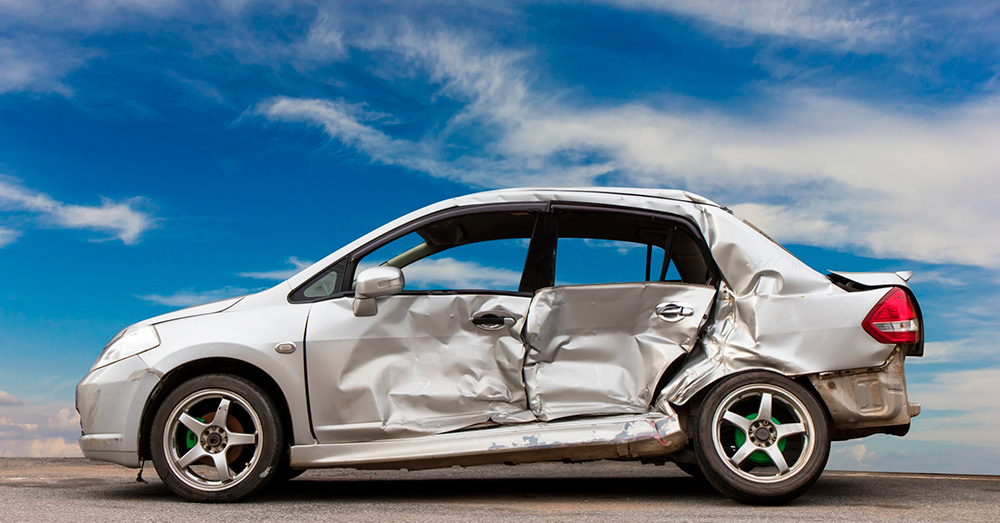
If you’ve ever been involved in a serious vehicle accident in Arkansas, you may have heard the term Arkansas Total Loss Threshold. This important insurance concept helps determine when an insurance company will declare a vehicle a “total loss” after a crash. Understanding how it works can save you time, stress, and money when dealing with repairs or claims.
What Is the Total Loss Threshold?
A total loss threshold is the point at which the cost to repair a damaged vehicle exceeds a certain percentage of its actual cash value (ACV). When repair costs reach or surpass this threshold, the insurance company typically writes the vehicle off as a total loss instead of paying for repairs.
In Arkansas, this threshold plays a key role in how insurers make total loss decisions.
How Arkansas Total Loss Threshold Works
- Actual Cash Value (ACV):
This is the fair market value of your vehicle before the accident, taking into account age, condition, mileage, and depreciation. - Repair Cost Estimate:
Before deciding on a total loss, insurers obtain estimates for repairing the vehicle. - Threshold Percentage:
Arkansas law sets a specific percentage that determines when a vehicle is considered a total loss. When the estimated repair costs reach or exceed this percentage of the ACV, the insurer may declare the vehicle totaled.
Why Total Loss Threshold Matters
Understanding the total loss threshold is critical for vehicle owners because it affects:
- Claim Outcomes:
Whether your vehicle is repaired or declared a total loss can significantly affect your insurance experience. - Settlement Amount:
If your car is declared a total loss, you’ll receive a payout based on the vehicle’s ACV minus deductibles—not repair costs. - Financial Decisions:
Knowing the threshold can help you decide whether to accept a total loss settlement or negotiate further with your insurer.
Key Points to Know in Arkansas
While total loss laws can vary by state, here are some key points specific to Arkansas:
- Threshold Percentage:
Arkansas uses a total loss threshold percentage to evaluate whether a vehicle is economically repairable. (Check with your insurer or state resources for the current percentage.) - Salvage Title Requirements:
If a vehicle is declared a total loss, insurers usually take possession and the car may receive a salvage title. Salvage vehicles have legal and resale implications. - Negotiation Rights:
You may be able to negotiate with your insurance company if you disagree with the ACV or repair estimates.
What to Do After an Accident
If your vehicle is damaged in Arkansas:
- Report the Claim Promptly:
Contact your insurance provider as soon as possible. - Get Multiple Repair Estimates:
Additional estimates can help you understand repair costs and support negotiations. - Review Your ACV Carefully:
Research similar vehicles in your area to ensure your settlement offer is fair. - Ask Questions:
Don’t hesitate to ask your claims adjuster to explain how they calculated the total loss threshold and ACV.
Final Thoughts
The Arkansas Total Loss Threshold is an essential part of the auto insurance process after a serious accident. By understanding how the threshold works, vehicle owners can better navigate claims, advocate for fair settlements, and make informed decisions about repairs or total loss payouts. If you’re unsure about your situation, consider talking with your insurer or a qualified auto insurance professional for guidance.
We are ADR-Claims, a team of professional appraisers. We will take care of everything and ensure that you get a fair payout for your totaled vehicle. Contact us right away to book your consultation and discuss your needs.