Cleaning Robot Market Size and Forecast 2025–2033
The global cleaning robot market is witnessing rapid expansion as automation becomes an integral part of modern lifestyles and commercial operations. Driven by rising hygiene awareness, labor shortages, demographic shifts, and major technological advancements, cleaning robots are transitioning from novelty household devices to essential cleaning solutions across residential, commercial, and industrial environments. According to Renub Research, the Cleaning Robot Market is expected to grow from US$ 5.15 billion in 2024 to US$ 27.71 billion by 2033, registering a strong compound annual growth rate (CAGR) of 20.56% from 2025 to 2033.
The COVID-19 pandemic accelerated the adoption of contactless and automated cleaning technologies, reinforcing the importance of consistent sanitation. In parallel, the integration of artificial intelligence (AI), advanced sensors, and smart connectivity has significantly enhanced robot performance, positioning cleaning robots as a long-term solution for efficiency, hygiene, and convenience.
Download Free Sample Report:https://www.renub.com/request-sample-page.php?gturl=cleaning-robot-market-p.php
Global Cleaning Robot Industry Overview
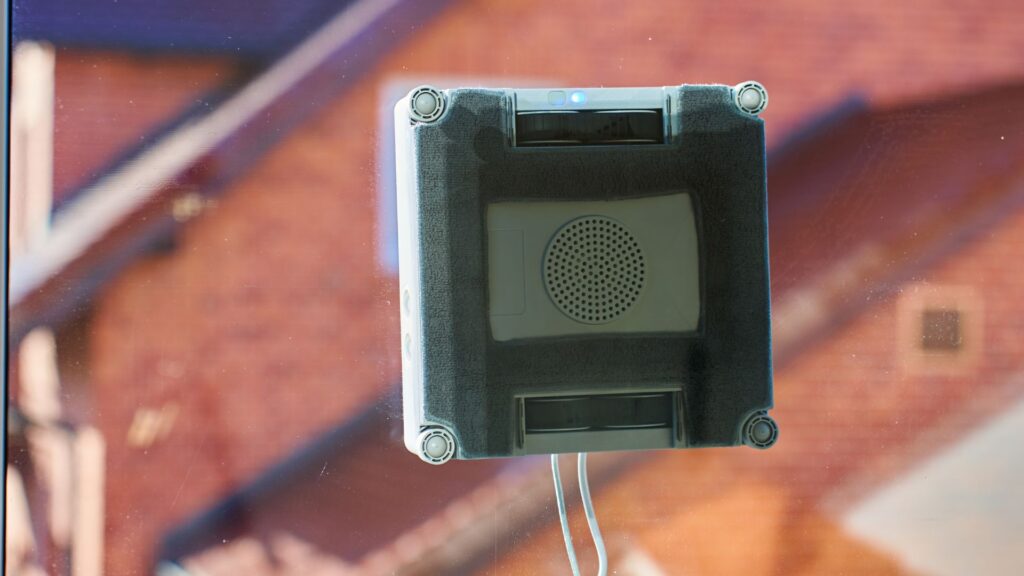
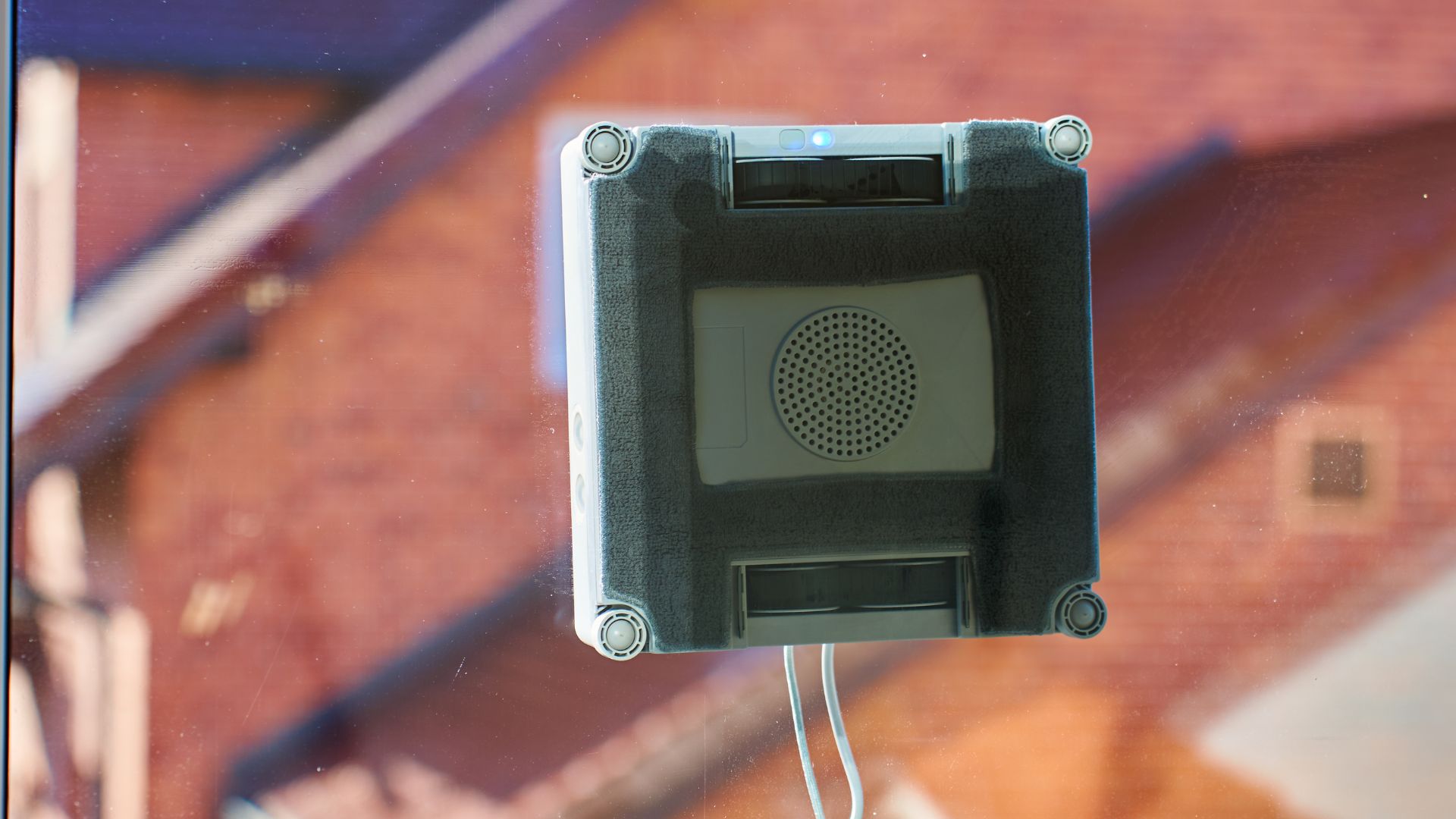
The cleaning robot market encompasses automated machines designed to perform cleaning tasks with minimal human intervention across residential, commercial, and industrial settings. These include robotic vacuum cleaners, robotic mops, window-cleaning robots, pool cleaners, and professional floor-cleaning systems. Powered by technologies such as artificial intelligence, machine learning, LiDAR, vision sensors, and Internet of Things (IoT) connectivity, modern cleaning robots can navigate complex environments, avoid obstacles, and optimize cleaning paths.
Demand for cleaning robots continues to rise as consumers and businesses seek labor-saving solutions that deliver consistent cleaning results. The growing adoption of smart homes and connected devices has further strengthened market growth, enabling users to control robots through mobile applications and voice assistants. Continuous improvements in navigation accuracy, battery efficiency, suction power, and noise reduction are making cleaning robots more reliable and accessible to a wider audience.
Sustainability is also shaping product development. Manufacturers are increasingly focusing on energy-efficient designs, reusable components, and eco-friendly materials to align with rising environmental awareness. As affordability improves and functionality expands, cleaning robots are steadily becoming mainstream household and commercial appliances.
Key Factors Driving Growth in the Cleaning Robot Market
Rising Demand for Automation and Convenience
Busy lifestyles and increasing workforce participation have reduced the time available for routine cleaning tasks. Cleaning robots offer a practical, hands-free solution that allows users to maintain cleanliness without manual effort. Features such as scheduled cleaning, remote operation via smartphone apps, and voice control through smart assistants have enhanced user convenience.
Urban households, working professionals, and elderly individuals represent key consumer segments driving adoption. In commercial environments such as offices, hotels, and retail spaces, cleaning robots help address labor shortages while maintaining consistent hygiene standards. The growing preference for automated, low-maintenance solutions continues to propel market growth.
Technological Advancements in AI and Robotics
Ongoing developments in artificial intelligence and robotics are transforming cleaning robot capabilities. Advanced navigation systems enable robots to map environments accurately, detect obstacles, and adapt to various floor types. Machine learning algorithms allow robots to improve performance over time by learning user preferences and room layouts.
Improvements in battery life, charging efficiency, suction power, and noise control have further enhanced usability. These technological advancements are making cleaning robots more autonomous, efficient, and capable of handling larger and more complex spaces, encouraging greater consumer investment.
Growing Health Awareness and Hygiene Standards
Heightened awareness of hygiene and cleanliness has become a major driver of demand, particularly following global health crises. Cleaning robots support consistent sanitation by operating frequently and reaching areas that may be overlooked during manual cleaning.
Robotic vacuums equipped with HEPA filtration systems are especially appealing to households with pets, children, or allergy sufferers. In commercial sectors such as healthcare, hospitality, and retail, automated cleaning solutions help meet strict hygiene requirements while reducing human exposure to contaminants. As cleanliness becomes a core component of health and safety strategies, market adoption continues to rise.
Challenges in the Cleaning Robot Market
High Cost and Affordability Constraints
Despite growing adoption, high prices of advanced cleaning robots remain a barrier for cost-sensitive consumers. Models featuring AI-based navigation, self-emptying dustbins, and multi-surface cleaning capabilities can be expensive. Maintenance costs, including battery replacement and spare parts, further increase total ownership costs.
In developing economies, affordability remains a significant challenge, limiting widespread adoption. Until pricing declines further or financing options expand, cost concerns may slow penetration in certain markets.
Performance Limitations in Complex Environments
While technology has improved, cleaning robots can still struggle in cluttered or highly complex environments. Obstacles such as stairs, tight corners, uneven surfaces, and dense furniture arrangements may reduce cleaning efficiency.
Some robots may miss spots, become stuck, or struggle to transition between different floor types. Wet cleaning functions also tend to be less effective than traditional mopping. Addressing these limitations through improved sensors, mapping accuracy, and flexible design remains essential for sustained customer satisfaction.
Cleaning Robot Market Overview by Regions
United States Cleaning Robot Market
The United States represents one of the most mature markets for cleaning robots, driven by strong consumer interest in smart home technology and convenience. High disposable incomes, fast-paced lifestyles, and widespread adoption of connected devices support robust demand.
Commercial adoption is also increasing across offices, hospitals, retail spaces, and hospitality venues. Integration with voice assistants, mobile apps, and home automation systems enhances product appeal. Growing concerns about indoor air quality and allergens further encourage adoption, positioning the U.S. as a leading market globally.
United Kingdom Cleaning Robot Market
The UK cleaning robot market is expanding steadily due to rising demand for efficient cleaning solutions and increasing urbanization. Compact living spaces and busy lifestyles make robotic vacuums and mops attractive options for households.
E-commerce availability and growing technology awareness support consumer adoption. In commercial settings, particularly healthcare and hospitality, cleaning robots help meet hygiene standards while reducing labor dependency. While cost sensitivity and traditional cleaning habits persist, improving affordability is expected to sustain market growth.
India Cleaning Robot Market
India’s cleaning robot market is at an early stage but shows strong long-term potential. Urbanization, rising middle-class income, and increasing awareness of smart home technologies are driving gradual adoption.
Residential consumers seek efficient solutions for dust and floor cleaning, particularly in major cities. Affordable models and expanding online distribution channels are improving accessibility. Challenges remain due to price sensitivity, varied floor types, and cultural preferences for manual cleaning, but market prospects remain positive.
United Arab Emirates Cleaning Robot Market
The UAE is emerging as a high-growth market for cleaning robots, supported by high disposable income, a tech-savvy population, and a strong focus on hygiene. Smart homes and luxury residences increasingly integrate robotic cleaning solutions.
Commercial adoption is particularly strong in hospitality, healthcare, and real estate sectors. Environmental factors such as frequent dust accumulation further drive demand for regular cleaning. Government initiatives promoting smart infrastructure and automation reinforce market expansion.
Recent Developments in the Cleaning Robot Industry
In February 2025, Nilfisk A/S introduced its next generation of vacuum cleaners, including the VU200 cordless stick vacuum and the VP300 and VP400 canister vacuums. These models feature enhanced filtration, improved maneuverability, and professional-grade performance.
In January 2025, Ecovacs Robotics Inc. showcased its latest innovations at CES 2025, including the GOAT A3000 LiDAR robotic lawn mower and the DEEBOT X8 PRO OMNI with advanced self-washing mopping technology. The company also expanded its WINBOT window-cleaning series, reinforcing its leadership in intelligent cleaning solutions.
Market Segmentation Overview
By Charging Type
- Automatic Charging
- Manual Charging
By Operation Mode
- Self-Drive
- Remote Control
By Application
- Domestic/Household Robots
- Professional Robots
By End User
- Residential
- Commercial
- Industrial
By Distribution Channel
- Online
- Offline
Regional Coverage
- North America: United States, Canada
- Europe: France, Germany, Italy, Spain, United Kingdom, Belgium, Netherlands, Turkey
- Asia Pacific: China, Japan, India, South Korea, Thailand, Malaysia, Indonesia, Australia, New Zealand
- Latin America: Brazil, Mexico, Argentina
- Middle East & Africa: Saudi Arabia, United Arab Emirates, South Africa
Competitive Landscape and Key Players
The cleaning robot market is highly competitive, featuring global electronics manufacturers and specialized robotics companies. Major players include Alfred Kärcher SE & Co. KG, Cecotec Innovaciones SL, iRobot Corporation, LG Electronics Inc., Neato Robotics Inc., Panasonic Corporation, Pentair Plc, and Samsung Electronics Co. Ltd..
Each company is analyzed across multiple dimensions, including business overview, leadership, recent developments, SWOT analysis, and revenue performance, providing a comprehensive view of market competition.
Final Thoughts
The global cleaning robot market is entering a high-growth phase as automation, hygiene awareness, and technological innovation converge. With market value projected to rise from US$ 5.15 billion in 2024 to US$ 27.71 billion by 2033, cleaning robots are rapidly becoming essential tools in both homes and commercial environments.
While challenges such as affordability and performance limitations persist, continuous advancements in AI, connectivity, and design are steadily addressing these concerns. As consumers and businesses increasingly prioritize efficiency, cleanliness, and smart automation, cleaning robots are set to play a central role in shaping the future of cleaning worldwide.