Fleas and worms are common parasites that affect dogs and cats of all ages. Not only can these pests cause discomfort, but they can also lead to serious health issues if left untreated. Understanding how to prevent and treat these infestations is essential for every pet owner. Trusted vets in Keysborough recommend a combination of regular treatments, hygiene measures, and routine check-ups to keep your pets healthy and happy.
Common Flea & Worm Infestations
Fleas are tiny, fast-moving parasites that feed on your pet’s blood. Signs of a flea infestation include excessive scratching, red or irritated skin, hair loss, and the presence of small black specks (flea dirt) on your pet’s coat.
Worms, such as roundworms, tapeworms, hookworms, and whipworms, often live in the intestines and can cause symptoms like vomiting, diarrhea, weight loss, bloated stomachs, and lethargy. In some cases, pets may show no visible symptoms, which is why regular veterinary checks are crucial.
Why Flea & Worm Prevention Matters
Untreated infestations can lead to serious health complications. Fleas can trigger allergic reactions, skin infections, and anaemia, particularly in young or elderly pets. Worms can affect nutrient absorption, cause intestinal blockages, and in severe cases, damage vital organs.
Some parasites are zoonotic, meaning they can be transmitted from pets to humans. Children and elderly individuals are particularly at risk. Preventing fleas and worms is therefore not only important for your pet’s health but also for your family’s wellbeing.
Effective Flea & Worm Control Measures
-
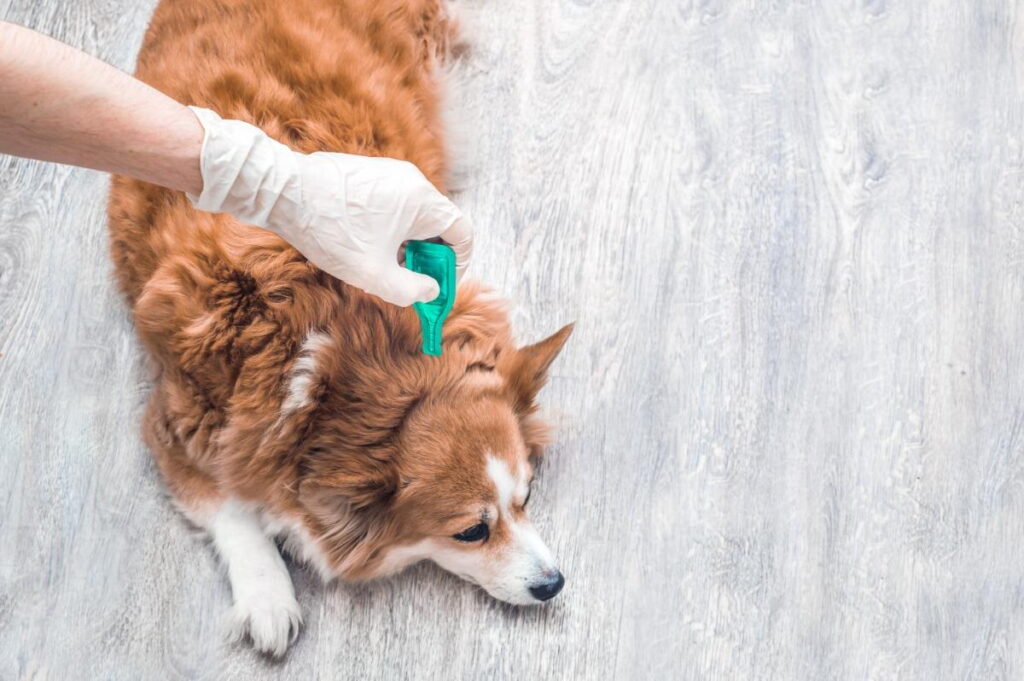
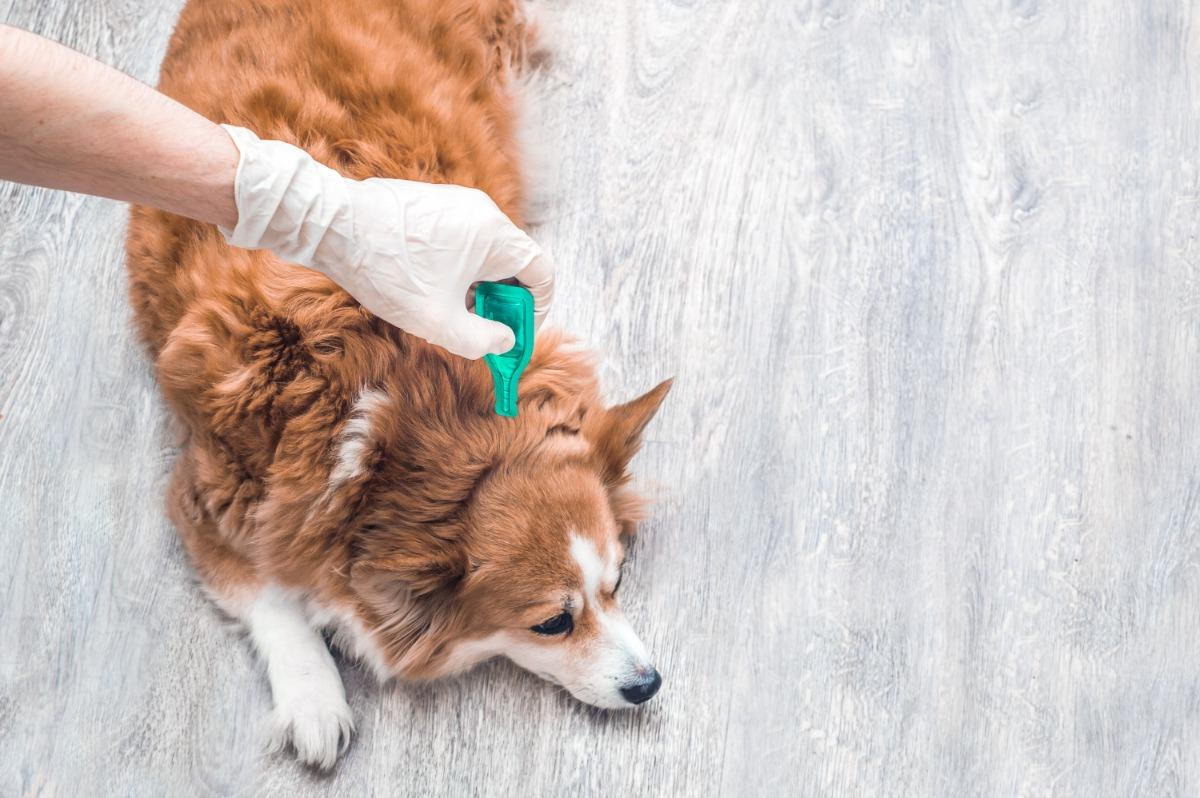
Regular Treatment: Use vet-recommended flea and worm medications. Monthly flea preventatives and periodic deworming schedules keep infestations under control. A professional vet in Keysborough can advise on the most suitable products based on your pet’s age, size, and lifestyle.
-
Maintain Hygiene: Wash pet bedding, toys, and blankets regularly. Vacuum your home frequently to remove flea eggs and larvae. Outdoor areas where pets play should be kept clean and free of faecal matter.
-
Monitor Your Pet: Check your pets regularly for signs of fleas or worms. Early detection allows for quicker treatment and prevents infestations from spreading.
-
Routine Vet Visits: Schedule regular health checks with experienced vets in Keysborough. They can perform stool tests to detect worms, advise on preventative measures, and recommend the best flea control solutions.
Working with Your Local Vet
Professional veterinary guidance ensures your pet receives safe and effective flea and worm prevention. Vets in Keysborough not only provide medications but also create customised prevention plans tailored to your pet’s needs. They can educate owners about seasonal risks, proper dosages, and additional steps to reduce parasite exposure.
Conclusion
Protecting your dog and cat from fleas and worms is an ongoing responsibility that requires a combination of medication, hygiene, and professional veterinary support. Regular check-ups with trusted vets in Keysborough, along with preventive measures at home, can keep your pets free from parasites and healthy year-round. By taking these steps, you ensure your furry friends enjoy a happy, active, and comfortable life — and your family stays safe too.