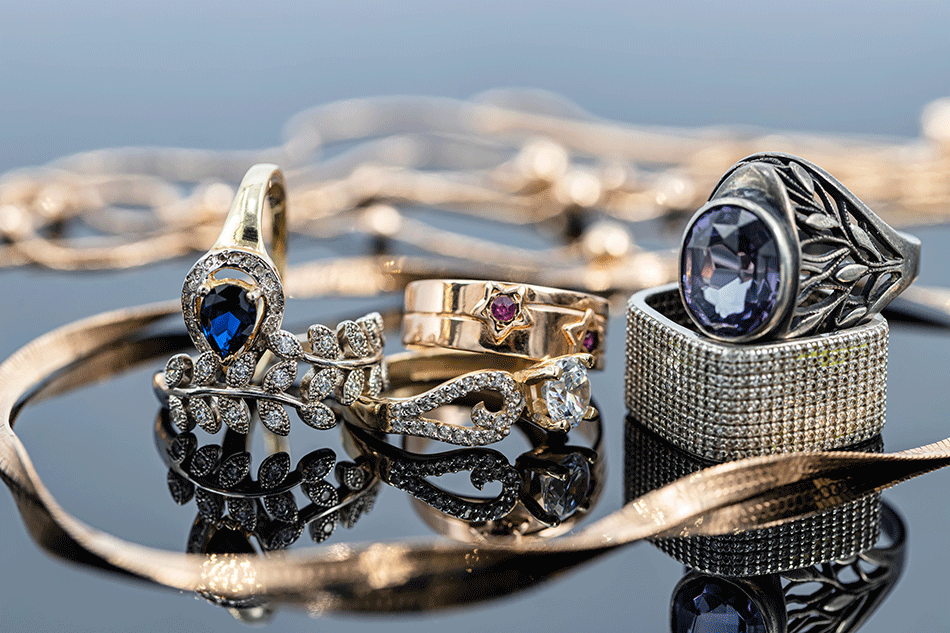
Selecting rare stones for exclusive jewelry pieces is a precise and thoughtful process. Luxury Jewelers focus on choosing stones that combine exceptional rarity, superior quality, and visual beauty. This ensures that every piece crafted is unique and carries distinct value. The selection process involves assessing multiple factors, from the stone’s origin to its physical properties. Only through this detailed examination can jewelers guarantee the final creation stands out as a truly exclusive work of art.
Comprehending Rarity
Rarity depends on the scarcity and unique characteristics of a stone. Some stones are rare due to limited geographic sources, while others have uncommon colors or exceptional clarity. Jewelers study the supply trends and geological factors to identify stones that truly stand apart. This insight helps them select stones that are not only beautiful but also rare enough to justify their exclusivity in fine jewelry collections.
Key Quality Factors
Four critical factors guide the quality assessment: color, clarity, cut, and carat weight. Color refers to the stone’s hue and saturation, which heavily influences its appeal. Clarity assesses internal flaws or inclusions, while cut affects brilliance and light reflection. Carat weight measures the stone’s size, impacting both appearance and value. Jewelers carefully balance these factors to choose stones that meet the highest standards expected in exclusive pieces.
Ethical Sourcing
Ethical sourcing has become a cornerstone for luxury jewelers. They ensure stones come from conflict-free zones, respecting human rights and minimizing environmental impact. This transparency builds client trust and supports sustainability. By partnering with reputable suppliers, jewelers confirm that every stone used in their collections aligns with responsible practices, making ethical sourcing an integral part of selecting rare stones for exclusive jewelry.
Expert Evaluation
Gemologists and industry experts play a crucial role in verifying rare stones. Jewelers collaborate with these specialists to authenticate and grade stones based on standardized criteria. These evaluations confirm a stone’s origin, quality, and value. Working with certified experts ensures that only genuine and top-tier stones are selected, safeguarding the piece’s authenticity and prestige in the luxury market.
Selecting for Design
The design concept guides the final stone selection. Jewelers consider how the stone’s shape, size, and natural characteristics will enhance the overall design. Compatibility between the stone and the piece’s aesthetic is essential. This balance allows artistic vision and the stone’s natural beauty to complement each other, producing jewelry that is both visually stunning and uniquely tailored.
Tips Jewelers Follow to Select Rare Stones
- Verify authenticity through trusted certifications.
- Assess brilliance and fire under various lighting.
- Consider provenance and rarity.
- Evaluate suitability for unique cuts.
- Confirm ethical sourcing and supply chain transparency.
- Collaborate closely with expert gemologists.
- Match stones precisely to the design’s concept and exclusivity.
Investment Value
Rare stones add considerable investment value to exclusive jewelry. Their scarcity and quality often lead to appreciation over time. Jewelers prioritize stones that combine visual appeal with lasting value. Clients receive pieces that not only delight aesthetically but also serve as smart financial investments, providing long-term security and collectible status.
Trends and Customer Preferences
Jewelers keep a careful balance between current trends and timeless appeal. Listening to customer preferences helps tailor designs to individual tastes while maintaining exclusivity. Although rare stones must be unique, their appeal should also resonate with modern style. This combination results in jewelry that remains fashionable and coveted for years.
Challenges in Selection
Sourcing rare stones involves several challenges, including limited availability, verifying authenticity, and managing high costs. Jewelers overcome these obstacles by relying on trusted suppliers and extensive expertise. Meticulous evaluation and ethical procurement ensure that the final selection meets the highest standards despite these hurdles.
Conclusion
Choosing rare stones is a delicate mix of science, art, and ethics. Luxury jewelers commit to thorough research, expert collaboration, and responsible sourcing to create exclusive pieces. The result is jewelry that reflects true rarity, unmatched beauty, and integrity—treasured by collectors and clients alike for generations.
FAQs
1. How do jewelers confirm a stone’s authenticity?
Jewelers rely on certifications and expert gemologists who verify origin, quality, and authenticity to ensure stones are genuine.
2. What makes a stone rare?
Rarity depends on scarcity, unique color, clarity, and limited geographic origin, making some stones exceptionally valuable.
3. Why is ethical sourcing important?
Ethical sourcing guarantees stones are conflict-free and responsibly mined, supporting sustainability and social responsibility.
4. How do rare stones impact jewelry value?
Rare stones enhance value by being scarce and high-quality, often appreciating over time and serving as investments.
5. What challenges do jewelers face selecting rare stones?
Challenges include verifying authenticity, sourcing limited stones, and maintaining ethical standards, addressed by expert evaluation and trusted suppliers.