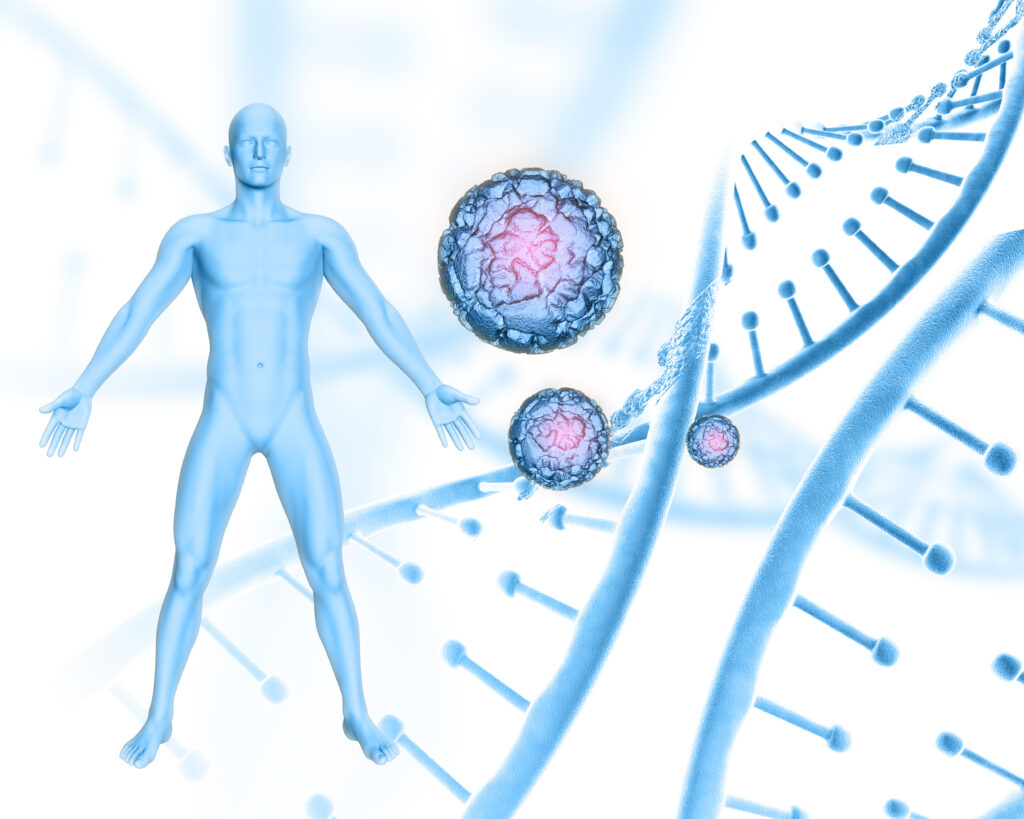
Rare diseases affect millions of people worldwide, yet each individual condition impacts only a small population. Because of this, many rare diseases have historically lacked effective treatments, leaving patients with limited options and uncertain outcomes. In recent years, cell and gene therapy has emerged as one of the most promising scientific breakthroughs, offering new hope for patients living with conditions that were once considered untreatable.
Cell and gene therapy represents a shift from managing symptoms to addressing the root cause of disease at a genetic or cellular level. This innovative approach is transforming how rare diseases are understood, diagnosed, and treated across the global healthcare ecosystem.
Understanding Cell and Gene Therapy
Cell therapy involves using living cells to repair, replace, or restore damaged tissues or functions in the body. Gene therapy, on the other hand, focuses on modifying or replacing faulty genes responsible for disease. While both approaches differ in mechanism, they share a common goal: to treat disease at its source rather than only controlling symptoms.
In rare diseases, many conditions are caused by single gene mutations or specific cellular defects. This makes them ideal candidates for gene replacement, gene editing, or cell-based interventions. Instead of lifelong medication, patients may receive a one-time or limited treatment with long-lasting benefits.
Why Rare Diseases Need Advanced Therapies
Rare diseases often suffer from limited research funding, fewer clinical trials, and minimal commercial incentives for traditional drug development. As a result, patients and families face long diagnostic journeys and few therapeutic solutions.
Cell and gene therapy offers a unique advantage because it targets the underlying genetic cause. By correcting or compensating for faulty genes, these therapies can potentially provide durable or even curative outcomes. This approach shifts the medical focus from chronic disease management to long-term disease resolution.
Real-World Impact on Patients
The impact of cell and gene therapy on rare disease patients has already been significant. Conditions such as inherited blindness, spinal muscular atrophy, and certain immune deficiencies have seen remarkable clinical success through gene-based treatments.
For many patients, these therapies mean improved quality of life, reduced hospital visits, and greater independence. Families who once faced uncertain futures now have access to scientifically validated treatment options that offer real hope.
Beyond physical benefits, there is also a strong emotional impact. Knowing that a disease can be treated at its root provides psychological relief and renewed optimism for patients and caregivers alike.
The Role of Manufacturing and Quality
While scientific discovery drives innovation, manufacturing plays an equally critical role in delivering safe and effective therapies. Cell and gene therapies are complex biological products that require strict control, validated processes, and highly specialized environments.
This is where organizations like Xellera Therapeutics contribute significantly to the ecosystem. By offering GMP-compliant manufacturing services, Xellera Therapeutics supports the development and production of advanced therapies for rare disease applications. Their expertise ensures that innovative treatments are produced with consistent quality, safety, and regulatory compliance.
Reliable manufacturing infrastructure is essential to scale therapies from research labs to real-world clinical use. Without strong manufacturing partners, even the most promising therapies cannot reach patients.
Overcoming Challenges in Development
Despite their promise, cell and gene therapies face several challenges. One major obstacle is cost. These therapies are often expensive due to complex production processes, personalized treatment models, and regulatory requirements.
Another challenge is scalability. Unlike traditional drugs, many cell therapies are patient-specific, making large-scale production difficult. Ensuring consistent quality across batches requires advanced technology, automation, and rigorous quality systems.
Regulatory complexity also plays a role. Since these therapies involve genetic modification and living cells, regulatory authorities demand extensive safety and efficacy data. This increases development timelines but also ensures patient protection.
The Role of Technology and Innovation
Technological advancements are rapidly improving the feasibility of cell and gene therapy. Tools such as CRISPR gene editing, viral vectors, and automated cell processing systems have increased precision and efficiency.
Digital systems are also enhancing traceability, data integrity, and process monitoring. These innovations reduce errors, improve reproducibility, and support regulatory compliance. As technology continues to evolve, therapies will become more accessible and cost-effective.
Collaboration Across the Ecosystem
The success of cell and gene therapy depends on collaboration between researchers, clinicians, manufacturers, and regulatory bodies. Academic institutions drive discovery, biotech companies develop therapies, and specialized CDMOs handle manufacturing and quality.
Companies like Xellera Therapeutics act as key partners in this collaborative model by bridging the gap between research and commercialization. Their infrastructure enables innovators to focus on science while ensuring that therapies meet global standards.
This collaborative approach accelerates development timelines and improves patient access to life-changing treatments.
The Future of Rare Disease Treatment
The future of rare disease treatment lies in personalized and precision medicine. Cell and gene therapy aligns perfectly with this vision by offering customized solutions based on individual genetic profiles.
As more therapies receive regulatory approval, healthcare systems will gradually integrate these treatments into standard care pathways. Over time, costs are expected to decrease, making therapies more accessible to broader patient populations.
In the long term, rare diseases may no longer be defined by lack of treatment, but by availability of targeted and effective cures.
Conclusion
Cell and gene therapy is redefining what is possible in rare disease treatment. By addressing genetic and cellular causes directly, these therapies offer durable solutions where traditional medicine has struggled.
With strong scientific foundations, advanced technologies, and reliable manufacturing partners like Xellera Therapeutics, the future of rare disease care looks increasingly hopeful. Patients who once faced limited options now stand at the forefront of a medical revolution driven by innovation, collaboration, and commitment to quality.
Ultimately, cell and gene therapy is not just transforming rare disease treatment, it is reshaping the entire healthcare landscape by shifting the focus from managing illness to delivering long-term, life-changing solutions for those who need them most.